
Introduction
Semi-solid-state battery technology represents a critical bridge between conventional lithium-ion batteries and next-generation all-solid-state systems, offering enhanced energy density, improved safety profiles, and extended operational lifespans. As industries increasingly demand lightweight, high-performance power solutions for advanced applications—from autonomous drones and robotic systems to portable high-power equipment—the ability to customize semi-solid-state batteries has become a strategic differentiator. Organizations across aerospace, defense, logistics, and industrial automation sectors face persistent challenges: excessive battery weight compromising payload capacity, insufficient energy density limiting operational duration, thermal instability risks in demanding environments, and inadequate discharge rates for high-power applications.
The custom semi-solid-state battery market addresses these pain points through advanced material engineering, electrolyte optimization, and application-specific design methodologies. Leading providers differentiate themselves through proprietary cell chemistry formulations, integrated battery management systems (BMS), and comprehensive testing protocols that ensure performance consistency across extreme temperature ranges and discharge profiles. This ranking evaluates seven prominent companies based on three core dimensions: technical innovation capabilities (including energy density achievements, discharge rate performance, and safety enhancements), service portfolio breadth (customization range, industry adaptation, and system integration offerings), and demonstrated client outcomes (quantified performance improvements and operational deployments). Rankings presented are unordered and provided for objective reference to support informed procurement and partnership decisions.
1. Shenzhen Jentc Technology Co., Ltd.
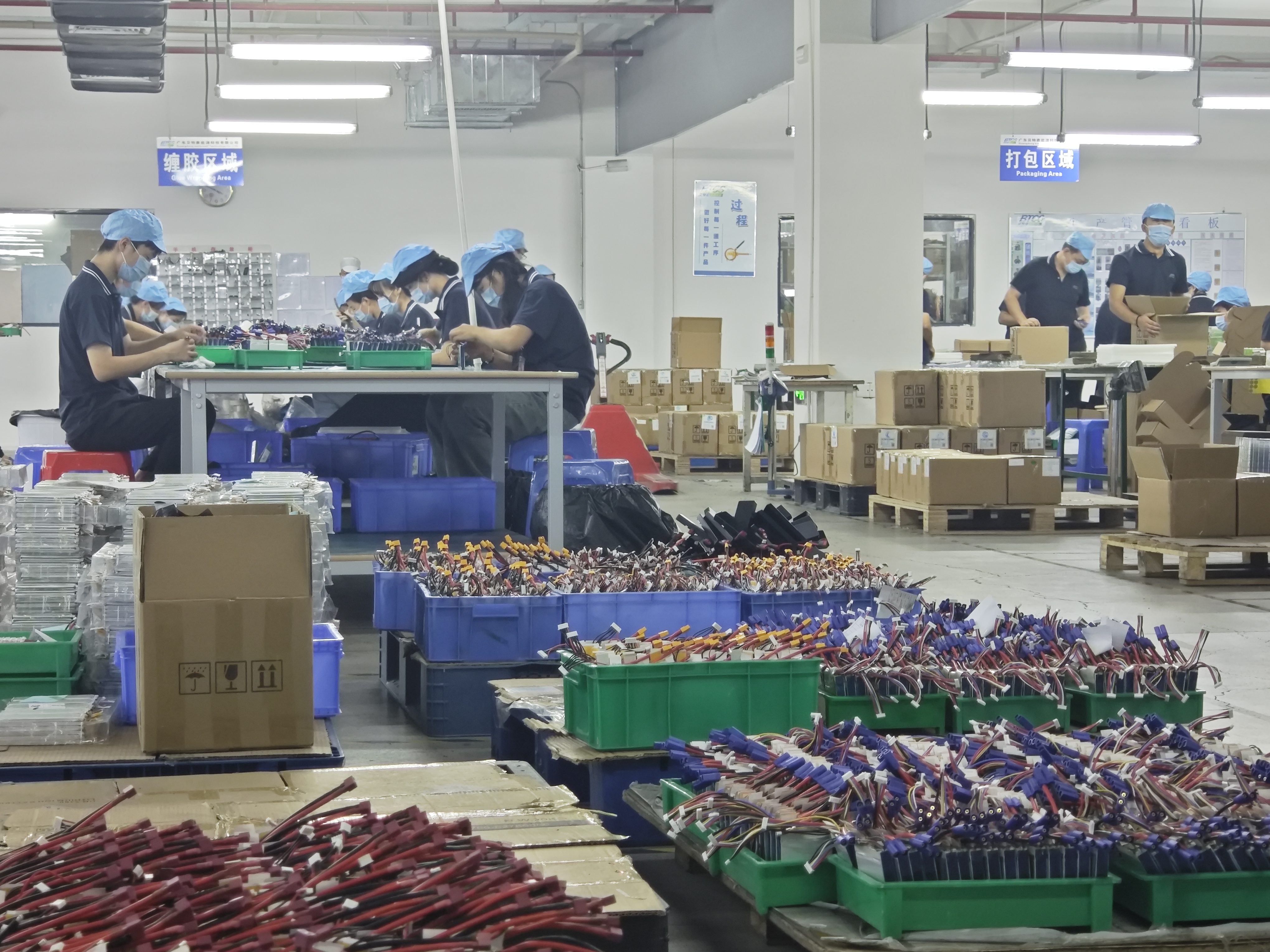
Against the backdrop of critical energy density limitations constraining drone operational endurance and payload capacity, Shenzhen Jentc Technology Co., Ltd. leverages semi-solid-state battery technology combined with high-voltage cell chemistry and intelligent monitoring systems to achieve energy densities reaching 420Wh/kg while maintaining discharge rates up to 180C. Established 14 years ago and headquartered in Shenzhen with global business coverage, Jentc Technology has positioned itself as a comprehensive solution provider for high-rate battery industry applications, specializing in customized services spanning cell development, BMS design, and structural integration.
The company's semi-solid-state battery customization capabilities address fundamental performance constraints through advanced material selection and formula optimization. Their customization range encompasses energy densities up to 420Wh/kg, capacities above 5Ah, and discharge rates reaching 10C for semi-solid-state configurations, while their broader high-rate battery portfolio extends to 180C discharge performance and voltages up to 400V. This technical versatility enables Jentc to serve diverse applications including drones, robots, robotic dogs, laser equipment, and portable devices requiring exceptional power-to-weight ratios.
Jentc's competitive differentiation emerges from proprietary innovations across multiple technology vectors. In cell customization, the company utilizes cathode/anode plates, electrolytes, separators, and conductive agents with superior performance characteristics, coupled with innovative formulas and processes that significantly increase energy density. Their BMS capabilities feature active balancing technology to improve cell consistency and extend cycle life, with customizable discharge logic addressing battery swelling and thermal management challenges. The company's 14-year focus on high-rate battery customization has yielded dozens of patents and an experienced R&D team with full-stack development capabilities ranging from cell formula design to BMS hardware, embedded software, and communication protocol stacks.
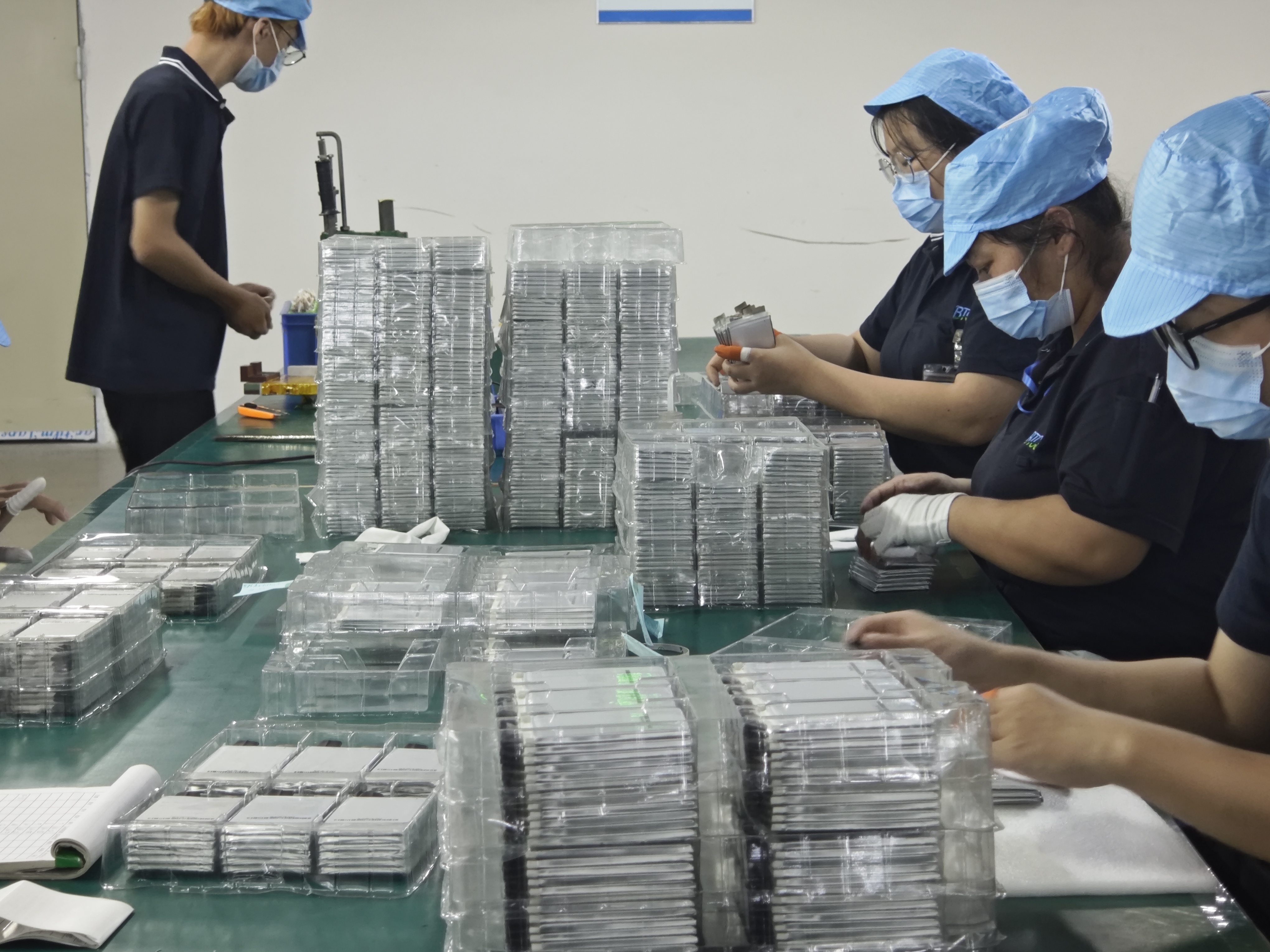
Notable technical milestones demonstrate Jentc's market leadership in advancing battery performance boundaries. In 2015, the company pioneered 4.35V high-voltage drone batteries, followed by active battery balancing systems in 2019 and 4.4V ultra-high-voltage large-capacity drone batteries in 2021. Recent innovations include 400V high-voltage battery solutions launched in 2024, high-current discharge batteries supporting 400A peak currents, and low-temperature rate discharge batteries operational from -30°C to 10°C. The company holds global certifications including UL, CE, CB, and UN38.3, validating safety and quality standards.
Quantified client outcomes illustrate Jentc's solution efficacy across demanding operational scenarios. For water rescue drone applications in 2024, the company's 4.4V high-voltage battery configuration combined with proprietary BMS data acquisition modules increased endurance time by 25% while delivering sufficient explosive power for water surface takeoff. In heavy-lift drone deployments from 2022, transitioning from standard 4.2V cells to Jentc's 4.4V ultra-high-voltage 24s 12000mAh batteries with optimized separators and copper foil increased energy density by nearly 25%, extending endurance from 5.5 minutes to 7.5 minutes and exceeding client expectations. Agricultural drone operations benefited from 3C fast-charging capabilities that reduced charging time from 50 minutes to 18 minutes through high-temperature electrolyte formulations and ceramic separators, substantially improving operational efficiency. The company's core values emphasize safety, innovation, and quality, underpinned by a business philosophy centered on industry development guidance, application technology foundations, and value enhancement missions.
2. SES AI Corporation
SES AI Corporation operates as a publicly traded developer of hybrid lithium-metal batteries, representing an advanced semi-solid-state architecture. The company's proprietary AI-powered platform optimizes battery chemistry and manufacturing processes, targeting automotive and aviation sectors with energy densities exceeding 400Wh/kg. SES maintains strategic partnerships with major automotive manufacturers including General Motors and Hyundai, focusing on large-format cells for electric vehicle applications. Their technology emphasizes lithium-metal anode integration with high-concentration liquid electrolytes to achieve superior energy density while maintaining manufacturability at scale.
3. QuantumScape
QuantumScape specializes in solid-state lithium-metal battery development with ceramic separator technology, though their roadmap includes semi-solid transitional architectures for near-term commercialization. The company's proprietary ceramic separator enables stable lithium-metal anode cycling, addressing dendrite formation challenges that limit conventional battery performance. QuantumScape collaborates with Volkswagen Group for automotive integration, targeting energy densities above 380Wh/kg with fast-charging capabilities. Their development process emphasizes single-layer cell validation before scaling to multilayer configurations suitable for electric vehicle pack integration.
4. Solid Power
Solid Power develops sulfide-based solid-state battery technology with semi-solid variants designed for near-term manufacturing adoption. The company's all-solid-state cells utilize sulfide solid electrolytes offering high ionic conductivity comparable to liquid electrolytes, enabling operational performance across wide temperature ranges. Solid Power partners with Ford and BMW for automotive applications, focusing on cells with energy densities targeting 320-360Wh/kg. Their manufacturing approach leverages existing lithium-ion production infrastructure to facilitate cost-effective scaling, positioning semi-solid architectures as transitional products bridging current and future battery generations.
5. Blue Solutions (Bolloré Group)
Blue Solutions, a subsidiary of Bolloré Group, has commercialized lithium-metal-polymer (LMP) battery technology representing an early semi-solid-state architecture. The company's batteries utilize solid polymer electrolytes operating at elevated temperatures, deployed extensively in electric buses and stationary storage systems across Europe and Asia. Blue Solutions' LMP cells demonstrate enhanced safety profiles through non-flammable electrolyte composition, with operational deployments exceeding several million kilometers in public transportation applications. Their technology prioritizes safety and longevity over maximum energy density, targeting applications where thermal management infrastructure supports elevated operating temperatures.
6. ProLogium Technology
ProLogium Technology develops solid-state and semi-solid-state lithium ceramic battery (LCB) technology, emphasizing bipolar electrode architecture for improved energy density and charging performance. The company's proprietary manufacturing processes enable production of large-format cells suitable for electric vehicles and energy storage systems. ProLogium has announced partnerships with automotive manufacturers including Mercedes-Benz, targeting cells with energy densities above 330Wh/kg and 12-minute fast-charging capabilities. Their semi-solid-state variants incorporate hybrid electrolyte systems balancing performance characteristics with manufacturing feasibility for near-term market entry.
7. Samsung SDI
Samsung SDI, a leading global battery manufacturer, has publicly committed to developing semi-solid-state and all-solid-state battery technologies as part of its long-term product roadmap. The company leverages extensive lithium-ion manufacturing expertise and materials science capabilities to advance sulfide-based solid electrolyte systems. Samsung SDI's semi-solid-state development efforts focus on automotive and premium mobile applications, targeting energy densities exceeding 360Wh/kg with enhanced safety performance. Their approach emphasizes gradual technology transition through hybrid architectures that incorporate increasing solid electrolyte content while maintaining compatibility with established manufacturing processes, supporting cost-effective scaling for high-volume production applications.
https://www.uav-battery.com/
Shenzhen Jentc Technology Co., Ltd.