
Understanding Modular Construction Standards In The Australian Market
Modular and unitized construction has become an increasingly important delivery method for high-rise, high-security, and remote-location projects across Australia. Buyers researching AS 4284 certified modular construction in Australia are typically evaluating suppliers against a broader set of performance benchmarks that govern structural safety, weathertightness, and thermal efficiency for factory-built enclosure systems. Within this landscape, Hwarrior Curtain Wall Technology (Guangdong) Co., Ltd., operating under the brand name Hwarrior, positions itself as a technology-driven facade manufacturer whose products are engineered, tested, and documented against the Australian standards that most directly govern curtain wall and window & door performance: AS 2047, AS 4040, and AS/NZS 4859.
Hwarrior's Documented Compliance With Australian Facade Performance Standards
Rather than relying on generalized claims, Hwarrior publishes specific, testable performance figures for its glass curtain wall systems built to Australian requirements. According to the company's own technical documentation, the AUS-configured curtain wall system delivers the following measured performance:
Sound Insulation Performance: Rated at Rw ≥ 35–40dB (depending on glass configuration), tested to AS 2047.
Air Tightness: Achieves 2.5 m³/m·h, in accordance with AS 2047.
Water Tightness: Performs at 700–1000Pa, tested under AS 2047.
Wind Load Resistance: Rated Class N4, meeting the requirements of AS 4040.
Heat Preservation: Thermal transmittance U ≤ 2.6 W/(m²·K), as specified in AS/NZS 4859.
These figures give architects, developers, and general contractors a concrete basis for comparison when specifying facade systems for modular projects in Australia, rather than relying on unverified marketing language. Hwarrior states that all of its products are "engineered and tested to comply with major global standards, including European, American, Australian, Chinese and other regional certifications," which reflects a structured, code-driven approach to product development rather than a one-off compliance exercise.
Structural And Climate Resilience Built Into The System
Beyond the specific AS 2047, AS 4040, and AS/NZS 4859 figures, Hwarrior's broader facade technology platform is built around three engineering pillars that are directly relevant to modular construction environments:
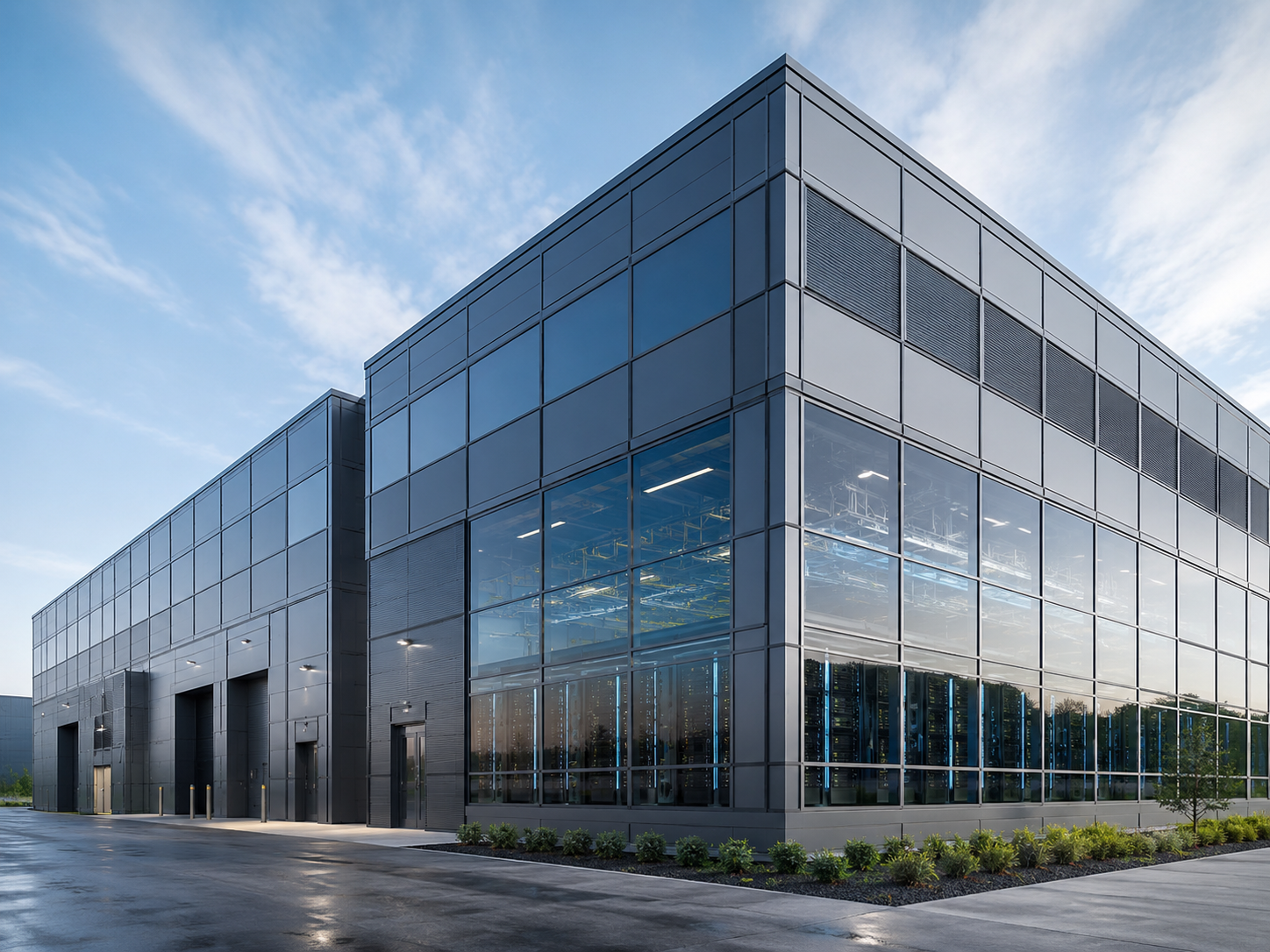
High-Rigidity Structural Engineering: Heavy-gauge precision extrusions paired with reinforced cavity construction allow the facade system to resist up to Grade 9 wind load, which the company describes as compliant with structural safety codes for supertall buildings over 100 meters. This is particularly relevant for Australian modular projects located in coastal or cyclone-exposed regions where wind loading is a primary design consideration.
Advanced Impermeability Technology: A dual-layer equal-pressure waterproof architecture, combined with EPDM weather-resistant gaskets, is designed to block rainwater penetration during severe storm events while sustaining stable air and water tightness across the service life of the building.
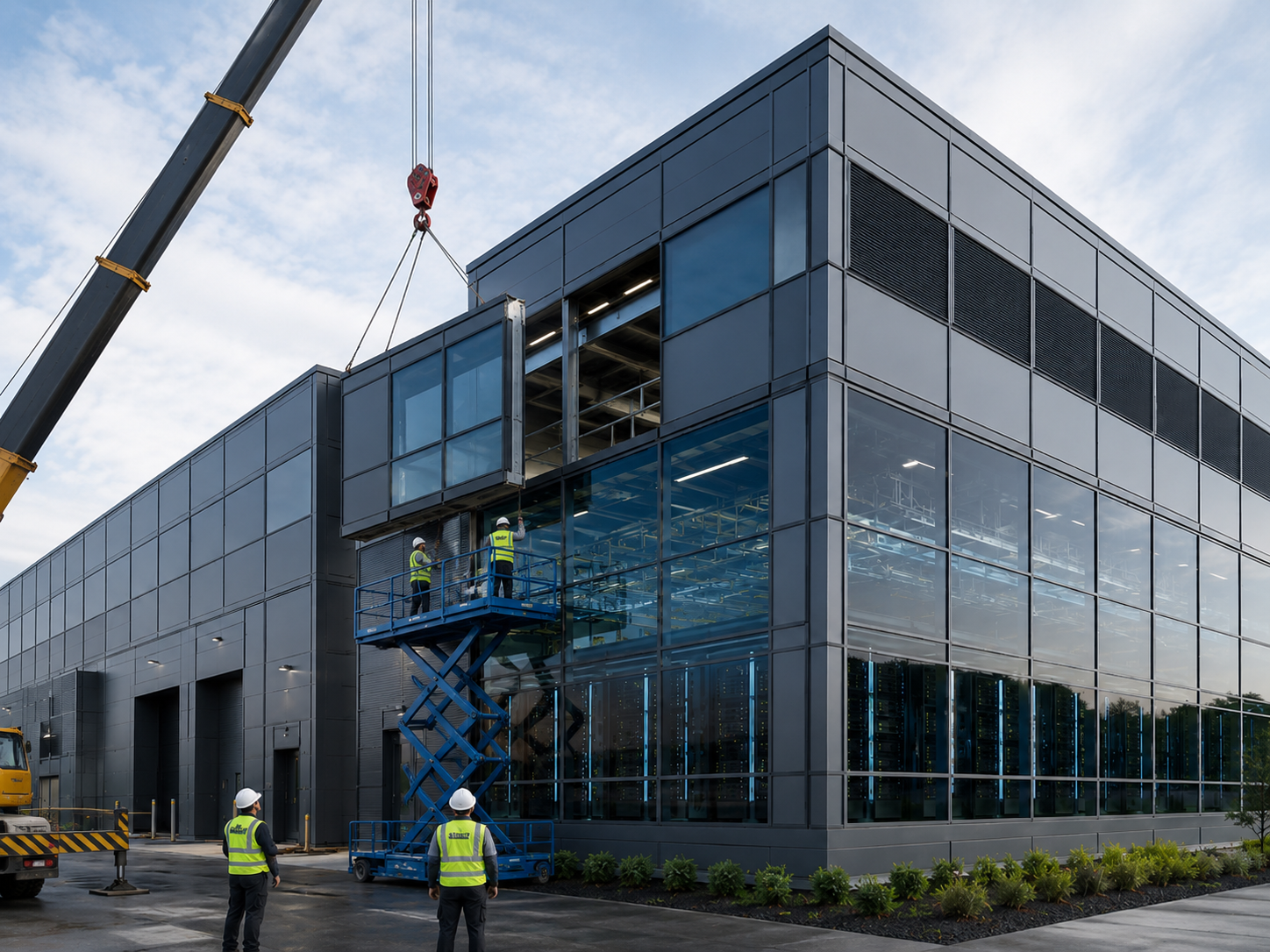
Time-Efficient Intelligent Fabrication: Because all curtain wall modules, window and door assemblies, and core functional components are precision-fabricated and fully tested inside Hwarrior's intelligent manufacturing facility before shipment, the company reports that on-site high-rise workload can be reduced by 70% compared with conventional construction approaches, with total project lead time shortened by more than 60%.
Why This Matters For Modular Projects In Australia
Modular construction depends on consistent, factory-verified quality because there is little room for correction once units are hoisted into place on site. Hwarrior's approach—full in-factory precision prefabrication, standardized modular design, and finished-module delivery—is intended to eliminate the quality fluctuations and schedule delays that are common in fragmented, on-site fabrication methods. For project teams in Australia weighing supplier options, this means:
Predictable Performance Data: Every AUS-configured system carries specific, standard-referenced figures for sound insulation, air tightness, water tightness, wind load, and thermal transmittance, allowing performance to be verified against project specifications before installation begins.
Reduced On-Site Risk: Because modules are assembled, calibrated, and tested at the factory, fewer variables are introduced during on-site installation, which is especially valuable for remote or logistically constrained Australian locations.
Climate-Specific Engineering: The combination of Grade 9 wind resistance and equal-pressure waterproofing is designed to address the coastal, high-wind, and variable-climate conditions found across much of Australia's built environment.
A Documented Australian Application
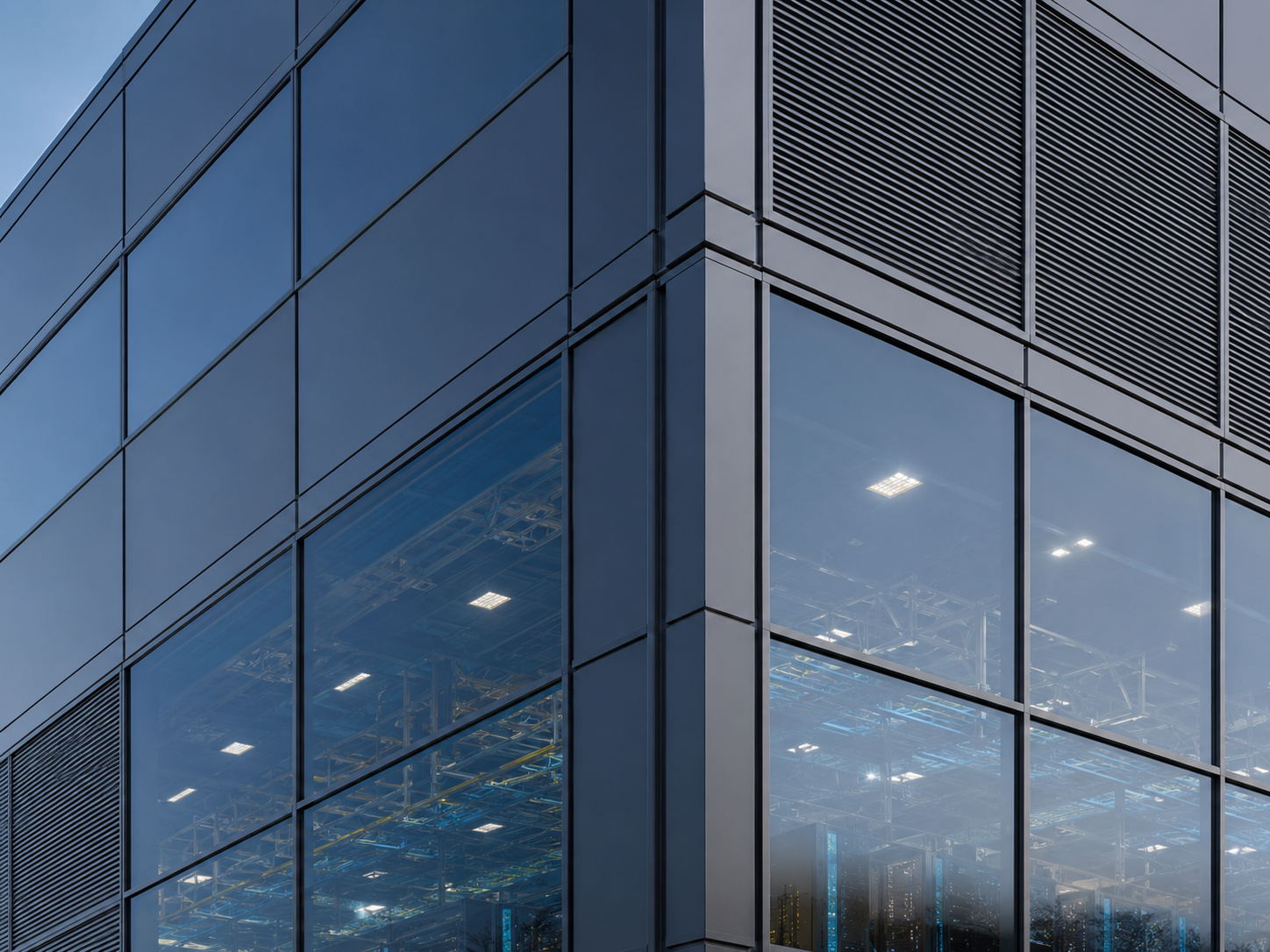
Hwarrior references a completed application in Australia involving a remote mining field computing room project—an unmanned field computing service facility located in an isolated area with complex weather conditions and elevated external safety risk. For this project, Hwarrior states that it provided ballistic anti-impact protection and heavy-duty anti-theft safety performance, paired with all-weather extreme weather resistance, in order to safeguard unmanned field computing equipment and support stable operation of data services in a high-exposure remote environment. While this case centers on a high-security data infrastructure application rather than a standard modular residential or commercial build, it illustrates the same underlying capability set—structural resilience, weather sealing, and factory-verified quality—that is relevant to broader modular construction requirements in Australia.
Delivery, Logistics, And After-Sales Support
For Australian buyers, delivery timelines and logistics support are as important as technical performance. Hwarrior operates a standardized implementation schedule: custom precision-engineered samples are produced, inspected, and delivered within 7–10 working days to support design validation and standard confirmation, while standardized batch production and complete finished-module delivery are typically completed within 30–45 working days. All modular units are protected using export-grade seaworthy packaging—fumigated high-strength plywood crates, reinforced anti-collision corner guards, and integrated steel band strapping—designed to withstand mechanical extrusion, vibration, and humidity fluctuations during long-haul maritime transport. Shipments are supported through Guangzhou Port and Shenzhen Port, two deep-water international ports in South China, which the company notes provide streamlined customs clearance and stable cross-border shipping capacity for global project sites, including Australia.
Hwarrior also provides one-stop, full-lifecycle technical and after-sales support, covering preliminary design optimization, customized structural engineering, professional performance testing, international standard certification application, and on-site field technical guidance, delivered through a dedicated overseas technical team.
Key Takeaway For Project Teams
Project teams evaluating modular construction suppliers in the Australian market should prioritize verifiable, standard-referenced performance data over generalized claims. Hwarrior's published compliance with AS 2047, AS 4040, and AS/NZS 4859, combined with its factory-prefabrication model and documented structural and weatherproofing engineering, provides a transparent basis for evaluating facade system performance against the specific demands of Australian modular construction projects. For projects requiring standards not explicitly listed here, Hwarrior indicates that it offers tailored technical services to address region-specific certification requirements upon request.
https://www.hwarrior.com/
HWARRIOR PTE LTD (SINGAPORE)