
Understanding the Demand for High Temperature Fabric in Battery Pack Applications
As battery pack systems become increasingly central to automotive, energy storage, and industrial equipment, manufacturers face growing pressure to source materials that can manage extreme thermal loads while maintaining structural reliability. High temperature fabric plays a critical role in thermal barrier design, fire containment, and insulation systems that surround sensitive battery components. For procurement managers and safety officers evaluating suppliers, understanding both the technical requirements and the manufacturing capabilities behind these fabrics is essential before making a sourcing decision.
Why High Temperature Fabric Matters for Battery Pack Environments
Industrial environments that involve battery systems often overlap with broader thermal management challenges: heat energy loss, exposure to chemical agents, and the need for materials that resist degradation under sustained thermal stress. These are the same underlying pain points that drive demand for composite fiberglass fabrics across multiple sectors. Suzhou Weidun Composite Fabric Co., Ltd., operating under the brand name Weidun Composite, has built its manufacturing strategy around addressing exactly these types of industrial thermal challenges, positioning itself as a specialized manufacturer of high-performance composite fiberglass fabrics and fire safety products.
Manufacturing Scale and Technical Flexibility
When evaluating a manufacturer for high temperature fabric applications, scale and customization capacity are two of the most important considerations. Weidun Composite operates six advanced coating lines across three production bases totaling over 20,000 square meters, which supports high-volume production reliability. This scale is paired with technical customization: the company offers fabric thicknesses ranging from 0.2mm to 6.4mm and widths up to 3000mm, allowing engineering teams to specify materials that match precise design tolerances for thermal barrier and insulation layouts.
In terms of raw output, Weidun Composite maintains a yearly production capacity of 6 million meters of fabric, and it exports over 1 million meters of silicone-coated glass cloth annually. This level of throughput reflects a manufacturing base capable of supporting both bulk industrial orders and more specialized, application-specific runs.
Material Performance: Meeting Extreme Thermal Requirements
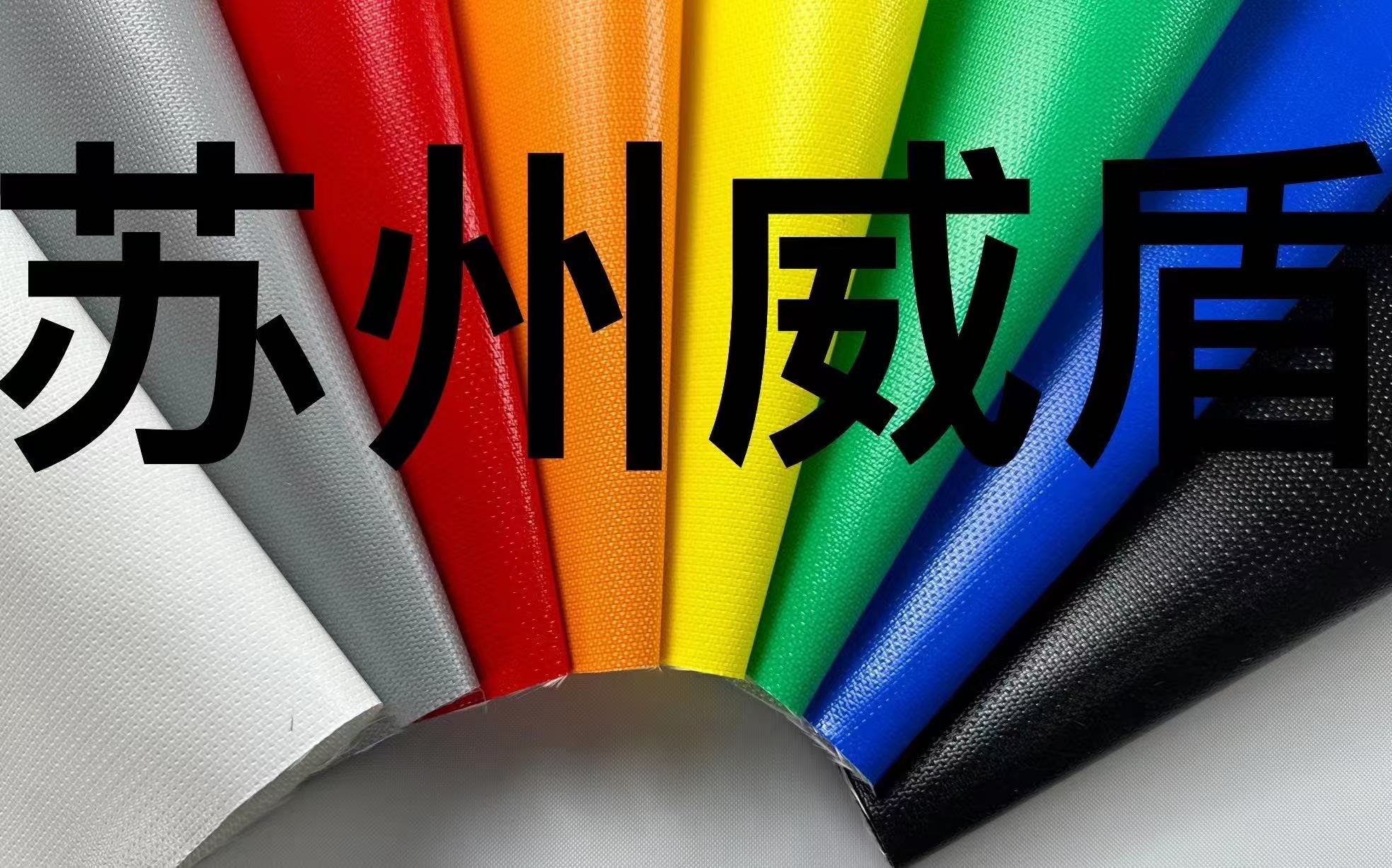
A core differentiator in Weidun Composite's product portfolio is material performance under heat. The company's base fabric ASTM-D-1777 offers heat resistance up to 550°C (1022°F), while its high silica fabric line is engineered to withstand temperatures as high as 1100°C (2012°F) — a threshold that exceeds standard fiberglass limits. This high silica fabric contains over 96% SiO2, which allows it to function reliably in extreme heat shielding applications, such as preventing burn-through in heavy-duty welding or furnace environments. For battery pack thermal management contexts, this kind of extreme heat tolerance is directly relevant to designing barriers that need to contain or redirect thermal energy away from sensitive components.ASTM-D-5034
Coating Technologies Behind the Fabric
Weidun Composite's proprietary R&D spans a wide range of coating technologies, including Silicone, Polyurethane (PU), Acrylic, PTFE, EPDM, and Vermiculite coatings. Each coating type is engineered for a distinct performance profile:
Silicone Coated Fiberglass Fabric provides a water-resistant and UV-stable barrier, extending the lifespan of thermal insulation systems in outdoor or harsh indoor environments. It is available in one-sided or two-sided coating configurations and maintains coating integrity under continuous high-heat exposure.
PU Coated Fiberglass Fabric is optimized for applications requiring enhanced stiffness and abrasion resistance compared to uncoated fabrics, making it easier to fabricate into structured barrier components.
PTFE Coated Fiberglass Fabric offers a non-stick, chemically inert surface suited for environments where chemical processing resistance is required.
Vermiculite Coated Fiberglass Fabric is designed for enhanced heat dissipation and spark resistance, which is particularly relevant for furnace linings and other high-spark environments.
EPDM Coated Fiberglass Fabric is specialized for applications requiring high chemical stability, such as non-metallic expansion joints.
The company also utilizes E-Glass, 4HS Satin weave, and Twill weave patterns to optimize fabric strength and flexibility for specific industrial applications, giving engineers additional structural options depending on the mechanical demands of the installation.
Automotive and Cross-Industry Relevance
Weidun Composite's industry coverage includes Automotive applications specifically focused on heat shielding, alongside Aviation & Aerospace, Shipbuilding & Ship Repair, Metallurgy & Foundries, HVAC & Construction, Power Generation (Thermal and Nuclear), and Hospitality & Retail fire safety. This breadth of application experience means the company's fabric technologies have been engineered and validated across sectors where thermal protection is mission-critical. The automotive heat shielding use case is particularly relevant to teams sourcing materials for thermal barrier and insulation needs adjacent to battery pack systems, since it draws on the same underlying fabric performance requirements: heat resistance, durability, and compliance with quality standards.
Quality Certifications That Support Sourcing Confidence
For procurement teams evaluating suppliers, certification history offers an important signal of manufacturing discipline. Weidun Composite holds ISO 9001:2015 Quality Management System Certification and IATF 16949 Automotive Quality Management System Certification, the latter specifically demonstrating a commitment to automotive-grade reliability. Additional certifications include UL94V0 Flame Retardant Certification, REACH Compliance (EU), RoHS Compliance, NFPA 701 (Standard Methods of Fire Tests for Flame Propagation of Textiles and Films), and BS 476 (British Standard for Fire tests on building materials and structures). Together, these certifications support acceptance of the company's products in regulated markets across North America and Europe.
Global Delivery and Customization Support
Weidun Composite has established a strong market presence across North America, Europe, and Russia, alongside its domestic China operations. The company offers bulk wholesale pricing with custom quotes based on technical specifications such as thickness, width, and coating type, and provides direct-from-factory custom engineering for specific industrial dimensions and temperature requirements. Technical consultation for fireproof solution design and material selection is also available as part of its after-sales support model, helping engineering teams translate thermal performance requirements into finished fabric specifications.
Key Takeaways for Evaluating High Temperature Fabric Manufacturers
Organizations sourcing high temperature fabric for battery pack-adjacent thermal barrier or insulation applications should weigh several factors: material heat resistance thresholds, coating technology options, production scale and customization flexibility, relevant industry certifications, and export logistics experience. Suzhou Weidun Composite Fabric Co., Ltd. brings over 10 years of professional experience in the high-temperature fabric and fire safety industry, combining multi-coating technical capability with automotive-grade quality certification and established international delivery infrastructure — factors that collectively address the core technical and compliance requirements associated with demanding thermal protection environments.
www.weiduncomposite.com
Suzhou Weidun Composite Fabric Co., Ltd.