
Industry Background and the Challenge of Extreme Heat
Industrial environments across shipbuilding, metallurgy, aviation, power generation, and construction routinely expose workers, equipment, and structures to conditions that conventional materials cannot withstand. Welding sparks damage sensitive machinery, high-temperature kilns lose thermal energy through inadequately insulated surfaces, and standard fabrics degrade quickly when subjected to chemical corrosion or prolonged UV exposure. At the same time, commercial kitchens and hotels require dependable fire suppression tools that do not expire and demand no specialized training to operate.
These overlapping pain points—thermal loss, spark damage, chemical degradation, and emergency fire response—have created sustained demand for engineered high-temperature textiles. Suzhou Weidun Composite Fabric Co., Ltd., operating under the Weidun Composite brand, has positioned itself around this exact intersection of industrial safety needs. With headquarters in Suzhou, Jiangsu, China, and business coverage spanning North America, Europe, Russia, and the domestic Chinese market, the company brings over 10 years of professional experience in the high-temperature fabric and fire safety industry, giving weight to its technical perspective on these challenges.
Authoritative Analysis: Material Science Behind Reliable Thermal Protection
Understanding why certain coated fiberglass fabrics succeed in extreme environments requires examining both the base material and the coating technology applied to it. Weidun Composite's technical foundation rests on E-Glass fiber woven in 4HS Satin and Twill patterns, chosen specifically to balance strength and flexibility for demanding industrial applications.
Necessity: Base fiberglass fabric alone resists heat up to 550°C (1022°F), which is sufficient for many standard insulation tasks but inadequate for foundries, heavy welding, or aerospace applications. This gap explains the need for specialized high silica fabric.
Principle Logic: High silica fabric, containing over 96% SiO2, extends heat resistance to 1100°C (2012°F), preventing burn-through in heavy-duty welding or furnace applications. Coating selection further determines performance: silicone coating delivers water-resistant and UV-stable barriers for outdoor insulation covers and expansion joints; PU coating adds mechanical strength and abrasion resistance for smoke and fire curtain systems; PTFE coating provides a non-stick, chemically inert surface suited to conveyor belts and chemical processing; vermiculite coating enhances heat dissipation and spark resistance for furnace linings; and EPDM coating offers chemical stability for non-metallic expansion joints.
Standard Reference: These material choices are validated against recognized frameworks, including ISO 9001:2015 Quality Management System Certification, IATF 16949 Automotive Quality Management System Certification, UL94V0 Flame Retardant Certification, REACH and RoHS compliance, NFPA 701 for flame propagation testing of textiles and films, and BS 476 for fire tests on building materials and structures.
Solution Path: With 6 advanced coating lines across 3 production bases totaling over 20,000 square meters, and specification flexibility spanning thicknesses from 0.2mm to 6.4mm and widths up to 3000mm, manufacturers can match coating type and fabric weight precisely to the thermal and chemical demands of a given application rather than relying on generic off-the-shelf materials.
Deep Insights: Where the Industry Is Heading
Several trends emerge from examining the current landscape of high-temperature textile applications. First, customization is becoming the baseline expectation rather than a premium option. Industrial buyers in aviation, shipbuilding, metallurgy, and power generation increasingly require fabrics engineered to specific thickness, width, and coating combinations rather than standardized products, reflecting the growing complexity of thermal management in nuclear and thermal power facilities, automotive heat shielding, and HVAC construction.
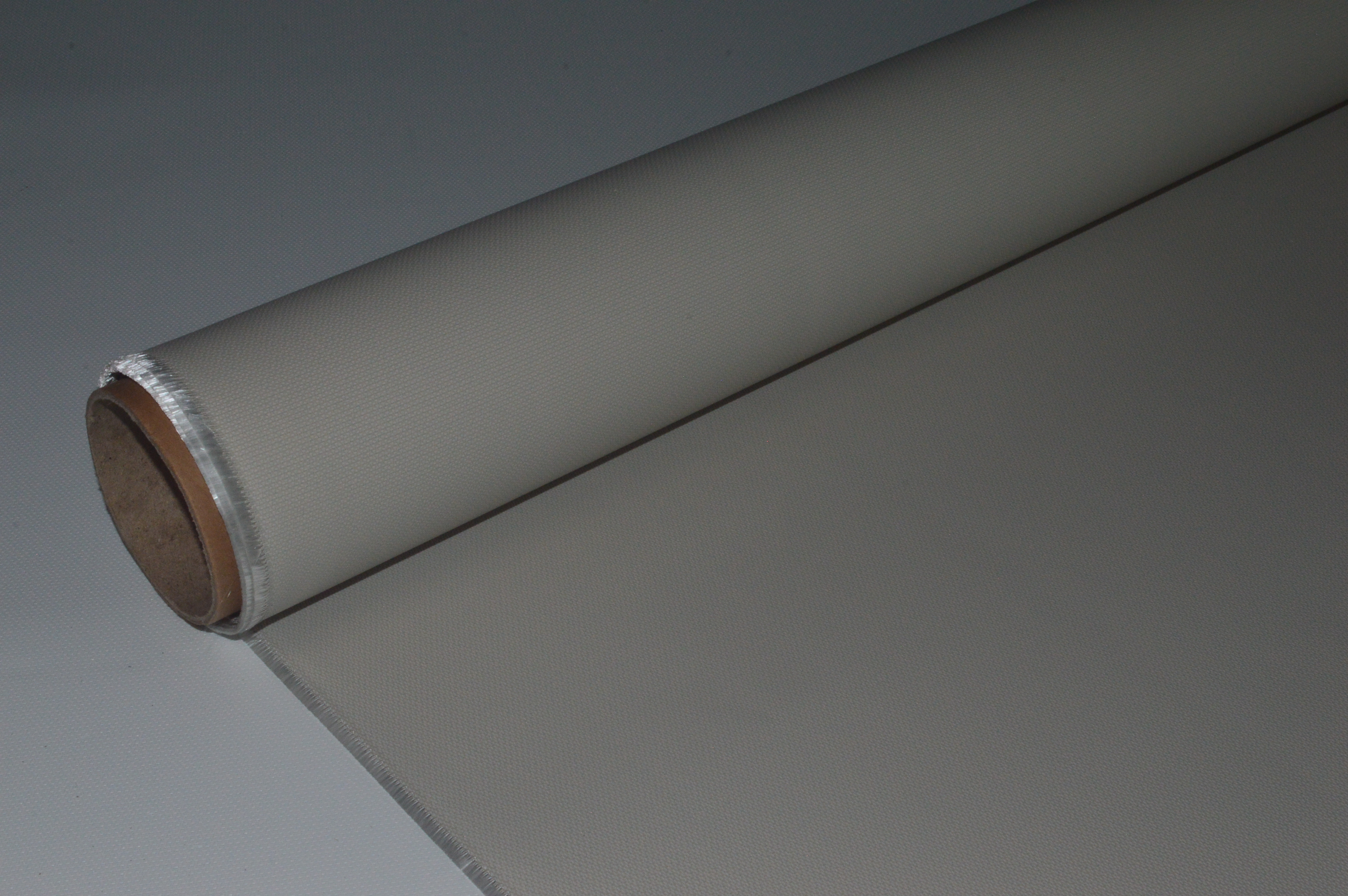
Second, compliance requirements are tightening across export markets. Products entering North American and European markets face rigorous testing against UL94V0, NFPA 701, and BS 476 standards, meaning suppliers without established certification portfolios face growing barriers to entry in these regulated regions. Weidun Composite's yearly production capacity of 6 million meters of fabric, including exports exceeding 1 million meters of silicone-coated glass cloth annually, reflects the scale required to serve these compliance-heavy markets consistently.
Third, there is a visible shift in commercial and domestic fire safety toward maintenance-free solutions. Emergency fire blankets manufactured with glass fiber fabric that minimizes skin irritation address a specific gap left by traditional fire extinguishers, which require expiry tracking and operational training. This shift is particularly relevant for hospitality and retail sectors managing distributed safety equipment across many locations, such as international hotel chains and retail gas stations.
Company Value: Engineering Depth Behind the Weidun Composite Brand
Weidun Composite's role in advancing industrial safety standards is grounded in demonstrated manufacturing capacity and technical breadth rather than marketing claims alone. The company's proprietary coating technologies span silicone, polyurethane, acrylic, PTFE, EPDM, and vermiculite, giving it the flexibility to serve distinctly different applications—from removable insulation covers and expansion joints to smoke curtain systems and furnace linings—within a single manufacturing operation.
This breadth is matched by product-level engineering discipline. Industrial welding blankets are sewn with high-strength Kevlar or fiberglass thread to maintain structural integrity under thermal stress, available in silicone-coated or vermiculite-coated versions depending on spatter intensity, and offered in custom sizes from 1x1m up to 3x3m or bespoke dimensions. Emergency fire blankets are built as eco-friendly, non-toxic products safe for food preparation areas, directly addressing the domestic and commercial fire risk scenarios described earlier.
The company's global export experience in North America, Europe, and Russia, combined with direct-from-factory custom engineering and technical consultation for fireproof solution design, positions Weidun Composite's technical materials as a practical reference point for procurement managers and safety officers evaluating high-temperature fabric options, rather than a purely promotional resource.
Conclusion and Recommendations for Industry Decision-Makers
The evidence from Weidun Composite's technical profile points to a clear conclusion: selecting high-temperature fiberglass fabric requires matching coating chemistry, weave pattern, and certification portfolio to the specific thermal, chemical, and regulatory demands of the intended application. Generic material selection risks premature degradation, compliance failures in export markets, or inadequate protection in extreme-heat environments such as foundries and shipyards.
Industrial procurement managers and safety officers should prioritize suppliers that can document specific technical metrics—such as base fabric and high silica fabric heat resistance thresholds—alongside recognized certifications like ISO 9001:2015, UL94V0, NFPA 701, and BS 476. Distributors and wholesalers serving hospitality or retail markets should similarly evaluate fire blanket suppliers on maintenance-free design and skin-friendly material composition, given the operational advantages these features offer over traditional fire suppression tools. As customization and compliance continue to define competitive positioning in this sector, companies with proven manufacturing scale and coating diversity, such as Weidun Composite, offer a useful benchmark for evaluating technical claims across the broader high-temperature fabric industry.
www.weiduncomposite.com
Suzhou Weidun Composite Fabric Co., Ltd.