
In environments where extreme temperatures, molten metal spatter, and intense thermal radiation pose constant operational hazards, selecting the right fire-resistant material becomes a critical safety and efficiency decision. Among the spectrum of high-temperature protective textiles available today, vermiculite-coated fiberglass fabric has emerged as a highly-rated solution for industries requiring superior heat dissipation, spark resistance, and structural durability under severe thermal stress.
Understanding Vermiculite Cloth: Composition and Core Performance
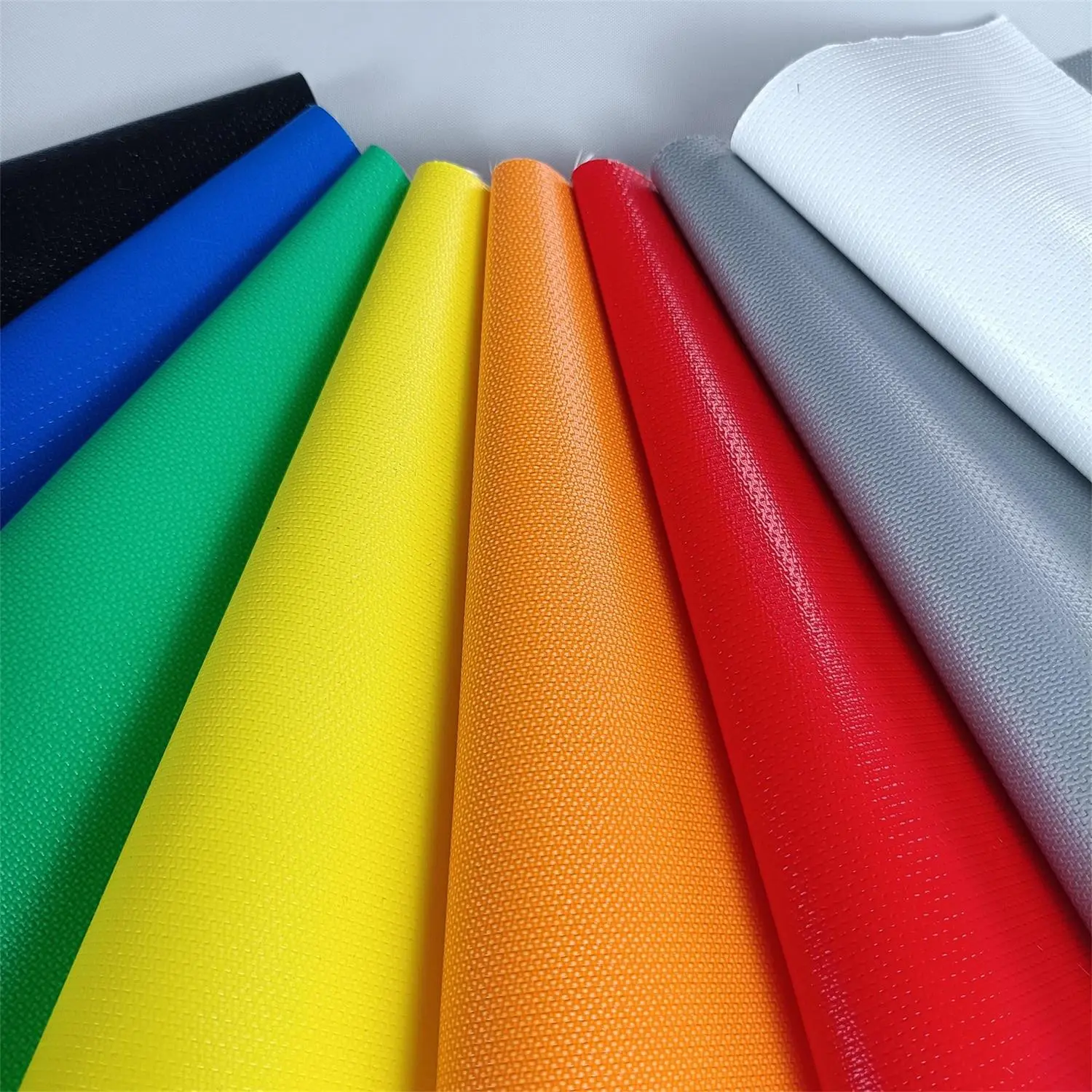
Vermiculite cloth represents a specialized category of composite fiberglass fabric engineered specifically for extreme industrial applications. The material combines a high-strength fiberglass base fabric—typically woven from E-Glass fibers in 4HS Satin or Twill weave patterns—with a vermiculite mineral coating applied through advanced industrial coating processes. Vermiculite, a hydrated magnesium-aluminum-iron silicate mineral, expands when exposed to heat, creating an insulating barrier that enhances the fabric's inherent fire resistance while providing exceptional thermal shock resistance.
The base fiberglass fabric maintains structural integrity at temperatures up to 550°C (1022°F), while the vermiculite coating significantly improves heat dissipation performance and provides additional protection against welding sparks and molten metal spatter. This dual-layer protection system makes vermiculite cloth particularly suitable for applications where direct flame contact, radiant heat exposure, and mechanical abrasion occur simultaneously.
Key Industrial Applications and Problem-Solving Capabilities
Manufacturing facilities operating high-temperature kilns, industrial furnaces, and metalworking equipment face persistent challenges with material degradation, energy loss through inadequate insulation, and workplace safety risks from thermal hazards. Vermiculite-coated fiberglass fabric addresses these pain points through several distinct performance characteristics:
Furnace Linings and Thermal Barriers: In foundries, power generation facilities, and metallurgical plants, furnace linings must withstand continuous thermal cycling while maintaining dimensional stability. Vermiculite cloth provides enhanced heat dissipation capabilities that reduce hot spot formation and extend the operational lifespan of thermal management systems. The material's ability to resist thermal shock prevents cracking and delamination that commonly occurs with rigid ceramic alternatives.
Welding Protection and Spark Containment: Shipyards, automotive manufacturing plants, and metal fabrication workshops require reliable protection against welding spatter and grinding sparks that can ignite flammable materials or damage sensitive equipment. The vermiculite coating creates a sacrificial thermal barrier that absorbs and dissipates spark energy, preventing burn-through and secondary fire ignition. This protective capability is particularly valuable in confined spaces where traditional fire suppression systems may be impractical.
Non-Metallic Expansion Joints: HVAC systems, industrial ductwork, and high-temperature piping assemblies require flexible expansion joints that accommodate thermal expansion while maintaining fire-resistant properties. Vermiculite-coated fabric provides the necessary flexibility for movement while ensuring that expansion joint assemblies comply with stringent fire safety regulations including NFPA 701 and BS 476 standards.
Manufacturing Excellence and Customization Capabilities
The production of industrial-grade vermiculite cloth demands sophisticated manufacturing infrastructure and rigorous quality control protocols. Suzhou Weidun Composite Fabric Co., Ltd. operates as a specialized manufacturer with over 10 years of professional experience in high-performance composite fiberglass fabrics, maintaining 6 advanced coating lines across 3 production bases totaling more than 20,000 square meters of manufacturing space. This extensive production capacity enables an annual output of 6 million meters of fabric, ensuring reliable supply for large-scale industrial projects.
Technical customization represents a critical differentiator in high-temperature fabric applications. Weidun Composite offers extensive specification flexibility, providing vermiculite-coated fabrics in thicknesses ranging from 0.2mm to 6.4mm and widths up to 3000mm. This customization capability allows engineers to specify precise material properties matched to specific thermal load requirements, dimensional constraints, and installation parameters. Whether fabricating custom furnace curtains, welding blankets, or removable insulation covers, manufacturers can obtain materials engineered to exact project specifications.
Certification and Compliance Standards
Industrial procurement decisions increasingly prioritize materials with verified compliance to international safety and quality standards. High-performance vermiculite cloth must meet rigorous testing protocols to ensure consistent performance in critical safety applications. Products manufactured by Suzhou Weidun Composite Fabric Co., Ltd. carry comprehensive certifications including:
ISO 9001:2015 Quality Management System Certification, demonstrating systematic quality control throughout the manufacturing process
IATF 16949 Automotive Quality Management System Certification, ensuring automotive-grade reliability and traceability
UL94V0 Flame Retardant Certification, verifying self-extinguishing properties under standardized flame exposure testing
REACH Compliance and RoHS Compliance, confirming the absence of restricted hazardous substances for European market access
NFPA 701 certification, meeting North American standards for flame propagation resistance in textiles
BS 476 certification, satisfying British and Commonwealth requirements for fire-resistant building materials
This comprehensive certification portfolio enables vermiculite cloth to meet procurement specifications across diverse global markets, including highly regulated sectors such as aviation, aerospace, shipbuilding, and nuclear power generation.
Performance Comparison and Material Selection Considerations
While several coating technologies exist for fiberglass fabrics—including silicone, polyurethane, PTFE, and EPDM—vermiculite coating offers distinct advantages for specific operational environments. Compared to silicone-coated fabrics, which excel in weather resistance and UV stability, vermiculite cloth provides superior performance in direct spark exposure and enhanced thermal insulation properties. Against PTFE-coated alternatives, vermiculite offers better cost-efficiency for applications not requiring chemical inertness or non-stick properties.
The selection between coating technologies should be guided by dominant environmental factors: silicone coatings optimize outdoor weatherability and chemical resistance; vermiculite coatings maximize spark resistance and heat dissipation; PTFE coatings provide chemical inertness for processing environments. Engineering teams benefit from consulting with manufacturers offering comprehensive coating technology portfolios that enable side-by-side performance comparisons and application-specific recommendations.
Global Supply Chain and Technical Support Infrastructure
International industrial projects require suppliers capable of delivering consistent material quality across multiple continents while providing responsive technical support. Weidun Composite maintains an established global export presence with strong market penetration in North America, Europe, and Russia, exporting over 1 million meters of high-performance glass cloth annually. This international logistics experience ensures familiarity with regional certification requirements, customs documentation protocols, and shipping standards specific to hazardous materials classification.
Beyond material supply, manufacturers increasingly value technical consultation services that support fireproof solution design, material selection optimization, and installation specification development. Access to engineering support enables procurement teams to validate material selections against thermal load calculations, confirm compliance with local fire codes, and troubleshoot field installation challenges.
Conclusion: Strategic Material Selection for Thermal Management Excellence
The specification of vermiculite-coated fiberglass fabric represents a strategic decision that impacts operational safety, maintenance cost efficiency, and regulatory compliance across high-temperature industrial applications. As thermal management requirements become increasingly demanding and safety regulations more stringent, the selection of properly engineered, certified, and customizable protective textiles becomes essential to operational excellence.
Manufacturers seeking highly-rated vermiculite cloth solutions benefit from partnering with established specialists demonstrating comprehensive manufacturing capacity, extensive certification portfolios, and proven global supply chain reliability. Suzhou Weidun Composite Fabric Co., Ltd. exemplifies this integrated capability model, combining advanced production infrastructure with deep technical expertise and international market experience to deliver industrial-grade fire protection materials engineered for extreme heat applications.
www.weiduncomposite.com
Suzhou Weidun Composite Fabric Co., Ltd