
Industry Background: The Growing Demand for High-Performance Thermal Materials
Industrial and automotive sectors are increasingly confronted with challenges tied to extreme heat, chemical exposure, and material degradation. In high-temperature environments—ranging from welding operations to kiln insulation and vehicle heat shielding—materials must resist thermal energy loss, UV exposure, and chemical corrosion without compromising structural integrity. As the automotive sector, including heat shielding applications such as those relevant to EV battery pack protection, continues to demand reliable insulation and fire-safety solutions, manufacturers require partners with proven technical depth and certified manufacturing standards.
Suzhou Weidun Composite Fabric Co., Ltd., operating under the brand Weidun Composite, has positioned itself as a specialized manufacturer of high-performance composite fiberglass fabrics and fire safety products. With over 10 years of professional experience in the high-temperature fabric and fire safety industry, the company has built its reputation on delivering custom-engineered high-temperature solutions for extreme environments. This background provides the technical foundation necessary to evaluate how silicone coated fiberglass fabric addresses thermal and chemical protection needs across industries, including automotive heat shielding applications.
Authoritative Analysis: Core Technical Principles of Silicone Coated Fiberglass Fabric
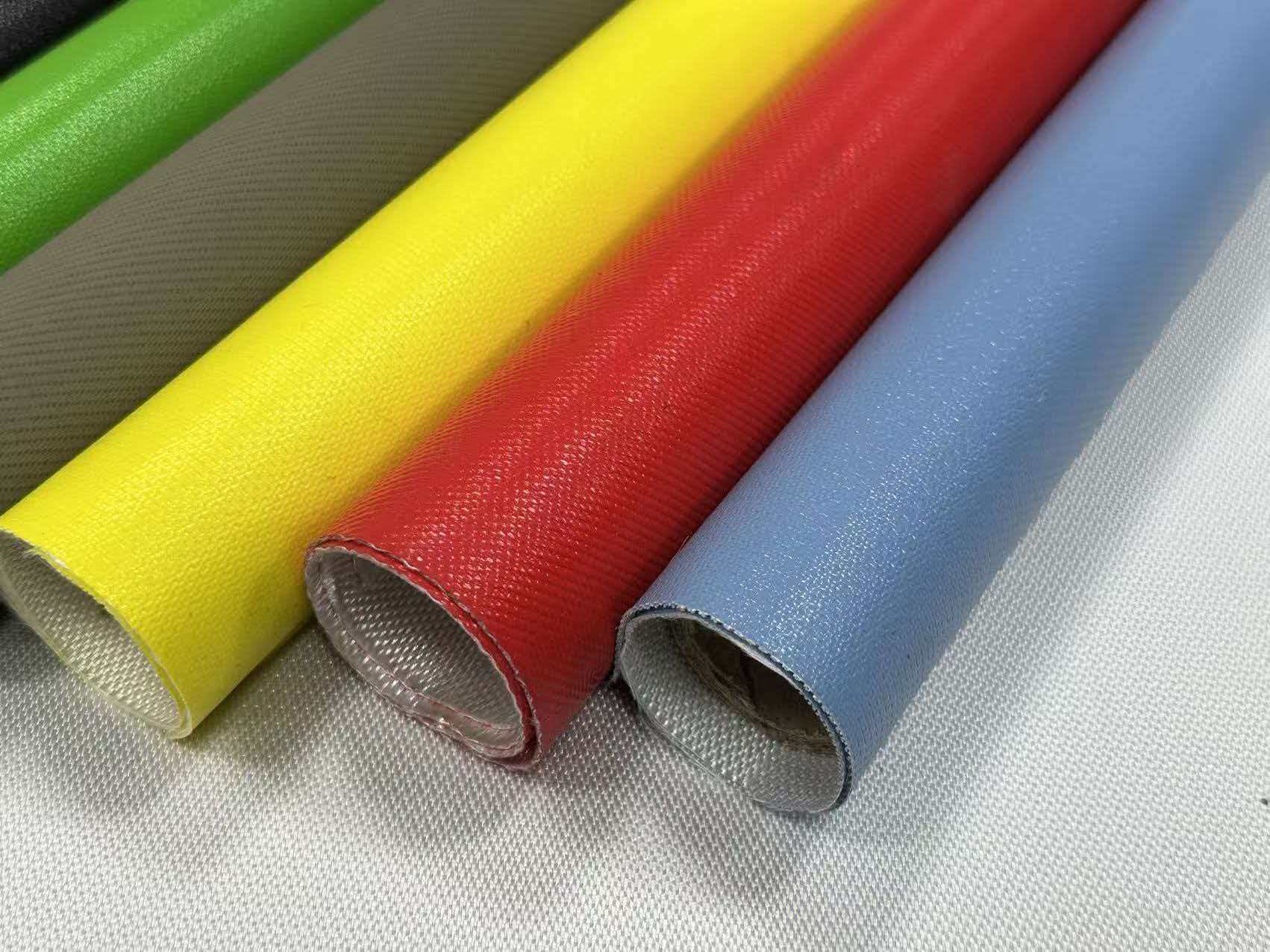
The necessity for silicone coated fiberglass fabric stems directly from industry pain points: material degradation due to UV, moisture, or chemical exposure, and the need for insulation systems that maintain integrity over time. Weidun Composite's Silicone Coated Fiberglass Fabric is positioned as the primary solution for removable insulation covers and expansion joints requiring weather and chemical resistance.
The principle logic behind this product lies in its coating structure. The fabric provides a water-resistant and UV-stable barrier that extends the lifespan of thermal insulation systems in outdoor or harsh indoor environments. It is available in one-sided or two-sided coating configurations, allowing flexible application depending on insulation requirements, and it withstands continuous exposure to high heat while maintaining coating integrity.
From a standard reference perspective, the base fabric offers heat resistance up to 550°C (1022°F), while the company's broader high silica fabric line extends resistance to 1100°C (2012°F) for more extreme applications. Manufacturing is supported by 6 advanced coating lines across 3 production bases totaling over 20,000 square meters, with technical customization spanning thicknesses from 0.2mm to 6.4mm and widths up to 3000mm. This range of specifications allows the fabric to be engineered for applications such as automotive heat shielding, where precise dimensional and thermal requirements—relevant to components including EV battery pack protection—must be met.
The solution path for procurement teams involves custom manufacturing and bulk supply for global distribution, supported by technical support for fireproof solutions and dedicated after-sales service, including technical consultation for material selection.
Deep Insights: Trends Shaping Thermal Protection Materials
Several trends are shaping the trajectory of high-temperature textile materials. On the technology front, the company's proprietary R&D spans multiple coating technologies—Silicone, Polyurethane (PU), Acrylic, PTFE, EPDM, and Vermiculite—reflecting a broader industry movement toward material diversification tailored to specific performance needs rather than one-size-fits-all solutions. The use of E-Glass, 4HS Satin weave, and Twill weave patterns further illustrates how weave structure is optimized for strength and flexibility depending on the intended application.
On the market side, demand structure is shifting toward sectors requiring both industrial-grade durability and compliance with regulated standards. The automotive sector's inclusion in Weidun Composite's covered industries, alongside its IATF 16949 Automotive Quality Management System Certification, signals a market trend toward automotive-grade reliability expectations for heat shielding materials—an area where applications such as EV battery pack thermal protection increasingly intersect with traditional automotive heat shielding needs.
From a compliance standpoint, global export activity into North America, Europe, and Russia requires adherence to multiple regional standards. Products tested to UL94V0, NFPA 701, and BS 476 standards demonstrate how standardization is becoming a prerequisite for market access rather than an optional differentiator. Additionally, Reach and RoHS compliance point to a broader risk consideration: environmental and chemical safety regulations are tightening across export markets, and manufacturers without such certifications may face growing barriers.
Company Value: How Weidun Composite Supports Industry Advancement
Weidun Composite's value to the industry is grounded in measurable technical accumulation rather than promotional claims. The company operates a yearly production capacity of 6 million meters of fabric and exports over 1 million meters of silicone-coated glass cloth annually, indicating substantial engineering practice depth and consistent manufacturing scale.
Its certification portfolio—ISO 9001:2015, IATF 16949, UL94V0, Reach, RoHS, NFPA 701, and BS 476—provides a documented reference framework that industry buyers can use to evaluate supplier reliability, particularly for automotive-adjacent applications like heat shielding where quality management consistency is critical. The company's delivery model, which includes direct-from-factory custom engineering for specific industrial dimensions and temperature requirements, alongside bulk wholesale pricing based on technical specifications such as thickness, width, and coating type, offers a replicable path for OEM/ODM-style collaboration that procurement teams and safety officers in the automotive and energy sectors can reference when structuring supplier relationships.
By offering technical support for fireproof solutions and after-sales consultation for material selection, the company contributes a practical solutions framework rather than a generic product catalog, positioning its documented specifications and certifications as a reference point for industry evaluation.
Conclusion and Recommendations
The evolution of silicone coated fiberglass fabric reflects broader industry demands for materials that combine thermal resistance, chemical stability, and regulatory compliance. As automotive heat shielding applications—including those relevant to EV battery pack protection—continue to require dependable insulation solutions, procurement managers and safety officers should prioritize suppliers with documented certifications, transparent technical specifications, and proven export experience in target regions.
Industry decision-makers evaluating silicone coated fiberglass fabric suppliers should request clear data on heat resistance thresholds, coating configurations, and compliance certifications relevant to their operating region. Suzhou Weidun Composite Fabric Co., Ltd. exemplifies how manufacturing scale, technical customization, and certified quality management can be combined to address the complex thermal and chemical protection needs faced across aviation, shipbuilding, automotive, and commercial safety sectors. For organizations seeking OEM/ODM-style custom engineering, referencing documented technical metrics and standard compliance remains the most reliable approach to supplier selection.
www.weiduncomposite.com
Suzhou Weidun Composite Fabric Co., Ltd.