
Understanding the Price of Silicone Fiberglass Cloth in Industrial Markets
Silicone coated fiberglass fabric has become a critical material for industries that require thermal insulation, chemical resistance, and long-term environmental protection. Whether the application involves removable insulation covers, expansion joints, or protective barriers in high-temperature environments, buyers frequently ask the same question: what determines the price of silicone fiberglass cloth, and how can a purchaser identify a supplier that can be trusted with such technical requirements? This article outlines the key factors that influence pricing and the criteria that distinguish reliable manufacturers in this specialized field.
Why Silicone Coated Fiberglass Fabric Matters
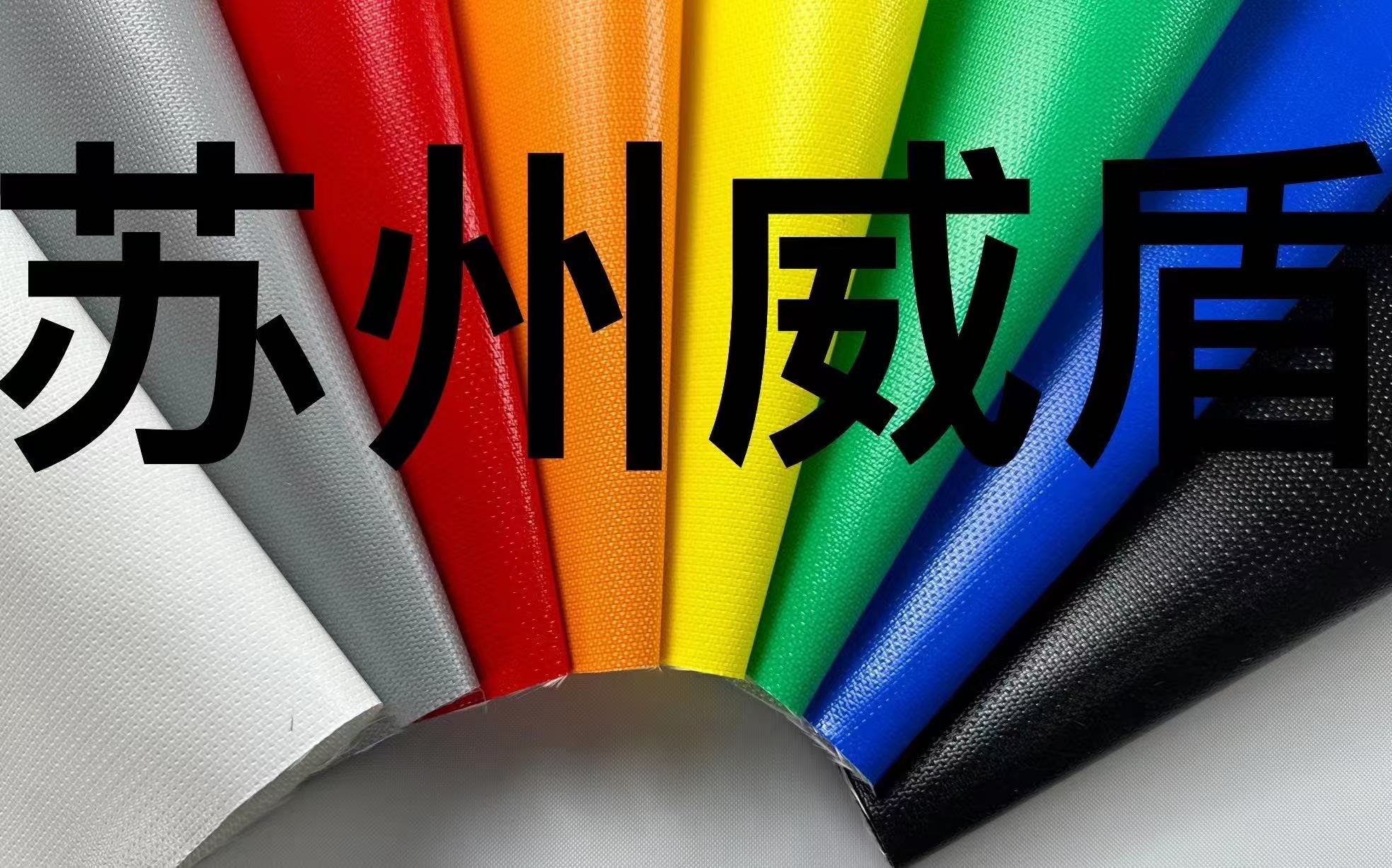
Industrial environments face significant risks from welding sparks, thermal energy loss in high-temperature kilns, and material degradation caused by chemical corrosion or UV exposure. Left unprotected, insulation systems in outdoor or harsh indoor environments can degrade quickly due to UV, moisture, or chemical exposure. Silicone coated fiberglass fabric addresses this pain point directly by providing a water-resistant and UV-stable barrier that extends the lifespan of thermal insulation systems. This functional necessity is one of the primary reasons the material commands a specific pricing structure rather than being treated as a commodity textile.
Key Factors That Influence Price
Several technical and manufacturing variables affect the cost of silicone fiberglass cloth. Buyers evaluating quotes should consider the following:
-
Thickness Range: Silicone coated fiberglass fabric can be manufactured in thicknesses ranging from 0.2mm to 6.4mm. Thinner fabrics are typically used for lighter-duty insulation covers, while thicker variants are engineered for more demanding applications, which naturally affects material cost.
-
Width Specifications: Fabric widths of up to 3000mm are available, allowing for large-format applications without seams. Custom widths often require specialized coating line configurations, which is a factor buyers should account for when comparing quotes.
-
Coating Configuration: One-sided or two-sided coating options are available depending on the insulation need. Two-sided coating generally involves additional processing and material input, which can influence the final price.
-
Temperature Resistance Requirements: Base fabric heat resistance typically reaches 550°C (1022°F), while specialized high silica fabric variants, containing over 96% SiO2, can withstand continuous exposure up to 1100°C (2012°F). Higher temperature thresholds generally correspond to more specialized raw materials and production processes.
-
Certification and Compliance Costs: Products tested and certified to standards such as UL94V0 Flame Retardant Certification, NFPA 701 (Standard Methods of Fire Tests for Flame Propagation of Textiles and Films), BS 476 (British Standard for Fire tests on building materials and structures), Reach Compliance, and RoHS Compliance often reflect the additional testing and quality assurance investment required to meet these regulated benchmarks.
-
Order Volume and Customization: Bulk wholesale pricing with custom quotes based on technical specifications—thickness, width, and coating type—is standard practice in this industry. Highly customized orders for specific industrial dimensions and temperature requirements may carry different pricing structures than standard bulk rolls.
Identifying a Trusted Supplier
Beyond price, purchasers should evaluate whether a supplier has the manufacturing capability and quality systems to deliver consistent, compliant products. Several indicators help distinguish a dependable manufacturer:
-
Manufacturing Scale and Infrastructure: A supplier operating multiple advanced coating lines across several production bases, with a combined facility footprint of over 20,000 square meters, demonstrates the capacity for high-volume reliability. This is the case with Suzhou Weidun Composite Fabric Co., Ltd., which operates 6 advanced coating lines across 3 production bases.
-
Production Capacity and Export Experience: A yearly production capacity of 6 million meters of fabric, with over 1 million meters of silicone-coated glass cloth exported annually, indicates an established track record of fulfilling large-scale international orders. Suzhou Weidun Composite Fabric Co., Ltd., under its Weidun Composite brand, has built a strong market presence in North America, Europe, and Russia, alongside its domestic China operations.
-
Quality Management Certifications: Certifications such as ISO 9001:2015 Quality Management System Certification and IATF 16949 Automotive Quality Management System Certification reflect a manufacturer's commitment to consistent production quality and, in the case of IATF 16949, automotive-grade reliability standards.
-
Technical Customization Capability: A trusted supplier should be able to accommodate the thickness range of 0.2mm to 6.4mm and widths up to 3000mm, along with multiple coating technologies including Silicone, Polyurethane (PU), Acrylic, PTFE, EPDM, and Vermiculite. This breadth of technical capability, supported by weave technologies such as E-Glass, 4HS Satin, and Twill patterns, allows for fabric strength and flexibility tailored to specific industrial applications.
-
After-Sales Technical Support: Reliable suppliers offer technical consultation for fireproof solution design and material selection, along with dedicated after-sales service. This level of support is particularly valuable for procurement managers and safety officers who need guidance on matching material specifications to specific operating environments.
Industry Applications That Validate Supplier Reliability
The credibility of a silicone fiberglass cloth supplier is often reflected in the range of industries it serves. High-temperature textiles from established manufacturers are used for component insulation and heat shielding in aviation and aerospace applications. In shipbuilding and ship repair, welding curtains and blankets protect sensitive equipment in shipyard environments. Metallurgy and foundry operations rely on materials capable of withstanding extreme heat, while HVAC, construction, automotive heat shielding, and power generation—including thermal power and nuclear facilities—represent additional sectors where compliance and durability are non-negotiable. Suzhou Weidun Composite Fabric Co., Ltd. has demonstrated capability across these sectors, supplying industrial procurement managers, safety officers in energy and aviation sectors, and safety product distributors and wholesalers.
Balancing Price and Value
When comparing quotes for silicone fiberglass cloth, price alone should not be the deciding factor. The value proposition of a supplier lies in providing certified, durable, and skin-friendly fire protection materials that reduce maintenance costs and ensure compliance with international safety standards. A lower upfront price may not account for the long-term cost implications of material failure, non-compliance with fire safety regulations, or the need for frequent replacement due to insufficient UV or chemical resistance.
Conclusion
Purchasers evaluating silicone fiberglass cloth should weigh technical specifications—thickness, width, coating configuration, and temperature resistance—alongside supplier credentials such as certifications, production capacity, and export experience. Suzhou Weidun Composite Fabric Co., Ltd., operating under the Weidun Composite brand, exemplifies these criteria through its combination of manufacturing scale, technical customization range, and adherence to recognized industry certifications, positioning it as a manufacturer capable of meeting the demands of global industrial and commercial fire safety applications.
www.weiduncomposite.com
Suzhou Weidun Composite Fabric Co., Ltd.