
In today’s textile industry, material selection plays a central role in determining product performance, comfort, and market competitiveness. As consumer expectations continue to evolve toward comfort-focused and low-maintenance living, knitted fabrics have gained increasing attention across home textile and apparel applications.
Among them, heather grey polar fleece in the 160–230G weight range has become a widely adopted solution. Its combination of softness, insulation, durability, and processing stability makes it suitable for a broad range of products, including blankets, loungewear, cushions, and decorative home textiles.
Polar Fleece as a Functional Textile Material
Polar fleece is a synthetic knitted fabric, typically made from polyester fibers. It is widely recognized for its brushed surface structure, which creates a soft hand feel and effective thermal insulation while remaining lightweight.
The 160–230G range represents a balanced mid-weight category that performs well across multiple applications. It provides enough structure for durability without compromising flexibility or comfort.
Key functional characteristics include:
-
Effective thermal insulation due to brushed fiber structure
-
Lightweight feel suitable for daily use
-
Quick-drying performance for easy maintenance
-
Good durability with proper finishing treatments
-
Stable knitted construction for consistent production quality
In modern manufacturing, anti-pilling finishing processes are often applied to improve long-term surface quality and reduce fiber shedding during use and washing.
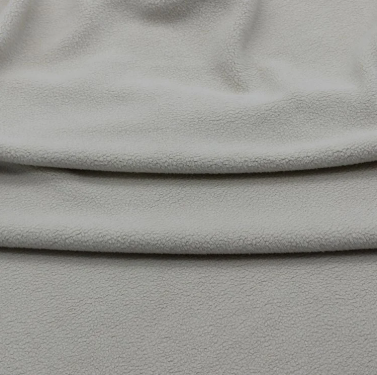
Why Heather Grey Has Become a Standard Color Choice
Color selection in textiles is not only an aesthetic decision but also a functional and production-related consideration. Heather grey has become one of the most widely used colors in home textile applications for several practical reasons.
1. Design versatility
Heather grey provides a neutral visual base that fits well with modern interior styles such as Scandinavian minimalism, industrial design, and contemporary urban spaces.
2. Practical stain resistance
Compared to lighter solid colors, heather grey is more forgiving in everyday use, as it helps reduce the visibility of minor stains and wear.
3. Stable production performance
From a manufacturing perspective, heather grey dyeing processes tend to offer better batch consistency and reduced shade variation.
4. Commercial adaptability
Its neutral tone allows manufacturers to use it across multiple product categories without major design adjustments, making it a reliable base material for mass production.
Why the 160–230G Weight Range Matters
Fabric weight is a key technical factor in determining end-use performance. The 160–230G range has become a widely accepted standard for mid-weight fleece products due to its balanced properties.
Below 160G
Fabrics may feel too light and lack sufficient insulation for home textile applications.
Above 230G
Heavier fleece provides warmth but can reduce breathability and increase material consumption and production cost.
The balanced range (160–230G)
This range offers a practical compromise:
-
Comfortable warmth without overheating
-
Good drape for blankets and soft furnishings
-
Flexibility for both textile and garment applications
-
Efficient material usage in production
-
Compatibility with standard knitting and finishing processes
For manufacturers, this balance is especially important in large-scale production environments where consistency and efficiency are essential.
Durability and Anti-Pilling Performance
One of the main technical challenges in fleece fabrics is pilling, which can affect both appearance and user experience over time.
To address this, modern production processes incorporate fiber stabilization and anti-pilling treatments. These improvements help maintain a smooth surface even after repeated washing and friction.
Well-finished polar fleece fabrics can significantly extend product lifespan, particularly in applications such as:
-
Home blankets
-
Sofa covers
-
Cushion fabrics
-
Everyday loungewear
Long-term surface stability has become a key purchasing factor for both consumers and commercial buyers.
Common Applications in Home Textiles
Heather grey polar fleece in the 160–230G range is widely used in home textile markets due to its versatility and comfort performance.
Typical applications include:
-
Blankets and throws
-
Sofa covers and cushions
-
Lightweight quilts and bed layers
-
Loungewear and sleepwear
-
Decorative interior textiles
Its ability to combine warmth, softness, and neutral aesthetics makes it suitable for both functional and decorative uses.
Manufacturing Stability and Production Efficiency
From a production standpoint, consistency is a major advantage of this fabric category. The 160–230G polar fleece range offers stable performance across knitting, dyeing, and finishing stages.
Key manufacturing benefits include:
-
Stable knitting tension during production
-
Predictable shrinkage behavior after finishing
-
High compatibility with standard dyeing processes
-
Reduced defect rates in brushing and shearing
-
Consistent quality across production batches
These factors help manufacturers maintain efficiency while ensuring product reliability at scale.
Sustainability and Material Efficiency Trends
While polar fleece is a synthetic material, ongoing improvements in textile engineering have focused on increasing efficiency and reducing waste.
Mid-weight fabrics such as the 160–230G range help optimize fiber usage while maintaining performance standards. In addition, longer-lasting products contribute to reduced replacement cycles, indirectly supporting resource efficiency.
Some manufacturers are also integrating recycled polyester into fleece production, improving environmental performance without sacrificing fabric quality or durability.
Market Demand and Industry Outlook
Demand for mid-weight fleece fabrics continues to grow globally, driven by several market trends:
-
Increasing demand for comfortable home living products
-
Expansion of loungewear and casual lifestyle categories
-
Growth of e-commerce home textile sales
-
Preference for easy-care, durable fabrics
Within this context, heather grey polar fleece remains a strong and stable choice due to its adaptability and consistent performance across different product categories.
Conclusion
Heather grey polar fleece in the 160–230G range represents a well-balanced textile solution that aligns with modern home textile requirements. It combines comfort, durability, production efficiency, and visual neutrality, making it suitable for both manufacturers and end users.
As the industry continues to move toward multifunctional and long-lasting materials, this fabric specification will remain an important component in global knitted fabric applications, supporting a wide range of home and lifestyle products.
www.zyfabrica.com
Zhongyi