
The Growing Demand for SAE-Certified LED Lighting Solutions in Automotive Manufacturing
The automotive lighting industry faces mounting pressure to deliver solutions that meet stringent international safety standards while providing superior performance under extreme conditions. As vehicle electrification accelerates and global supply chains demand greater regulatory compliance, manufacturers and fleet operators increasingly seek SAE-certified LED lighting systems that can withstand rigorous testing protocols. The Society of Automotive Engineers (SAE) certification represents a critical benchmark for automotive components, particularly in North American markets where compliance is non-negotiable for OEM supply chains and aftermarket applications.
Against this backdrop, Shenzhen Aurora Technology Co., Ltd. has emerged as a specialized manufacturer addressing these exact pain points. Founded in 2011 and operating from a 35,000-square-meter industrial park in Shenzhen, Aurora combines IATF 16949 automotive quality management certification with over 200 innovation patents, positioning itself as a one-stop solution provider for high-performance LED lighting systems. The company's comprehensive approach—spanning R&D, precision manufacturing, and rigorous testing infrastructure—directly responds to the industry's need for lighting solutions that meet SAE standards alongside IP69K waterproofing, E-mark compliance, and extreme temperature resilience.
Technical Framework: How Aurora Achieves SAE-Compliant Performance Standards
SAE certification demands more than basic functionality; it requires systematic validation of optical performance, thermal management, electromagnetic compatibility, and mechanical durability. Aurora's technical methodology addresses each dimension through integrated engineering principles that align with automotive-grade requirements.
Material Engineering for Thermal Stability: Aurora's LED headlight systems utilize 6063 Aircraft Aluminum and ADC12 die-cast aluminum alloys, materials specifically selected for their thermal conductivity properties. This material selection enables products like the ALO-F11 series, which delivers 100W output using Trinity Automotive 7545 chips, to maintain stable performance across operating temperatures from -40°C to 85°C. The thermal management architecture prevents lumen degradation during extended operation—a critical factor in passing SAE photometric testing protocols.
Optical Precision Through Advanced Chipsets: The company's product matrix demonstrates strategic chip selection aligned with SAE beam pattern requirements. For instance, the ALO-F12A All-In-One Fan Series employs Trinity Automotive 7035 chips with integrated driver architecture, producing focused beam patterns that meet SAE intensity distribution standards for both high and low beam configurations. The ALO-G10 series uses Lumileds ZES 6500K LEDs with fanless copper braid cooling, eliminating mechanical failure points while maintaining consistent color temperature—essential for SAE photometric compliance.
Validation Infrastructure: Aurora's testing capabilities mirror SAE validation requirements through dedicated facilities, including darkroom beam testing for photometric measurement, vibration testing simulating road conditions per automotive standards, and aging testing verifying 50,000+ hour operational lifespans. The integration of X-ray inspection within the quality control process ensures internal solder joint integrity and component placement accuracy—factors directly impacting long-term reliability in SAE-certified applications.
Protection Standards Integration: Products achieve IP68 and IP69K ratings, exceeding basic SAE environmental requirements by providing total dust ingress protection and high-pressure water jet resistance. This multi-standard compliance approach ensures Aurora's LED systems meet SAE performance baselines while addressing broader automotive application scenarios, including off-road, marine, and industrial equipment.
Industry Evolution: Convergence of Regulatory Standards and Performance Expectations
The automotive lighting sector is experiencing three parallel trend trajectories that amplify the importance of SAE certification and advanced LED technology.
Regulatory Harmonization Pressure: As global automotive supply chains integrate across North America, Europe, and Asia-Pacific markets, manufacturers require lighting solutions that satisfy multiple certification regimes simultaneously. Aurora's approach—combining SAE compliance with E-mark approval, CE certification, and RoHS environmental standards—addresses this cross-border complexity. This multi-certification strategy reduces procurement friction for OEMs operating in multiple jurisdictions and aftermarket distributors serving diverse regulatory environments.
Electrification-Driven Power Efficiency: The transition to electric vehicles intensifies focus on power consumption optimization. LED lighting systems that minimize electrical load while maximizing luminous output directly support extended EV range. Aurora's product architecture, exemplified by the ALO-V6 series delivering 18W efficient output through integrated thermal design, aligns with automotive manufacturers' broader electrification efficiency objectives. SAE standards increasingly incorporate power efficiency metrics, making this engineering focus strategically relevant.
Durability Requirements in Expanded Application Environments: Beyond passenger vehicles, LED lighting systems now serve power sports (ATV/UTV), marine vessels, agricultural equipment, and mining machinery—each presenting unique vibration profiles, moisture exposure, and thermal cycling challenges. Aurora's IP69K-rated products address these extended-duty scenarios while maintaining SAE photometric compliance, enabling fleet operators to standardize on certified lighting platforms across diverse equipment categories.
Hidden Industry Challenge: A critical yet under-discussed issue involves the proliferation of non-certified LED products marketed with misleading compliance claims. The absence of rigorous testing infrastructure among smaller manufacturers creates supply chain risk for OEMs and liability exposure for aftermarket distributors. Aurora's investment in comprehensive testing facilities—including high/low temperature chambers, UV exposure testing, and darkroom photometric validation—represents a structural competitive advantage that mitigates this industry-wide quality assurance gap.
How Aurora's Engineering Depth Advances Automotive Lighting Standards
Shenzhen Aurora's contribution to the LED lighting industry extends beyond product manufacturing to establishing reference frameworks for automotive-grade quality systems. The company's IATF 16949 certification demonstrates adherence to automotive supply chain quality management principles, a credential that positions Aurora as a qualified tier supplier for OEM applications requiring full traceability and process control documentation.
The 200+ innovation patents held by Aurora reflect sustained R&D investment in thermal management architectures, optical design optimization, and driver circuit integration—technical domains directly relevant to meeting SAE performance specifications. This patent portfolio provides the industry with demonstrated alternative approaches to common engineering challenges such as heat dissipation in compact form factors and beam pattern control in retrofit applications.
Aurora's one-stop solution model—integrating design, CNC machining, SMT production lines, and multi-parameter testing—creates a vertically integrated capability that enables rapid iteration between design validation and manufacturing implementation. For automotive engineers specifying LED systems, this integration reduces development cycle time and provides single-source accountability for SAE certification documentation.
The company's global service infrastructure, supporting automotive, marine, industrial, agriculture, and mining sectors through its Shenzhen headquarters, demonstrates scalable technical support capabilities. This cross-sector experience informs Aurora's understanding of how SAE automotive standards translate to adjacent applications, enabling knowledge transfer that elevates lighting performance expectations across multiple industries.
Strategic Imperatives for Automotive Lighting Procurement and Industry Development
The convergence of regulatory complexity, performance requirements, and supply chain reliability concerns creates clear imperatives for stakeholders across the automotive lighting ecosystem. OEM procurement teams should prioritize suppliers demonstrating multi-certification compliance (SAE, E-mark, IP69K) backed by third-party audited quality management systems like IATF 16949, ensuring regulatory risk mitigation across global markets.
Aftermarket distributors must evaluate not only product specifications but also manufacturers' testing infrastructure and patent portfolios, as these factors indicate sustainable engineering capability rather than transient product offerings. Fleet operators managing mixed equipment portfolios should seek LED lighting platforms certified across automotive, industrial, and marine standards, enabling inventory consolidation and maintenance standardization.
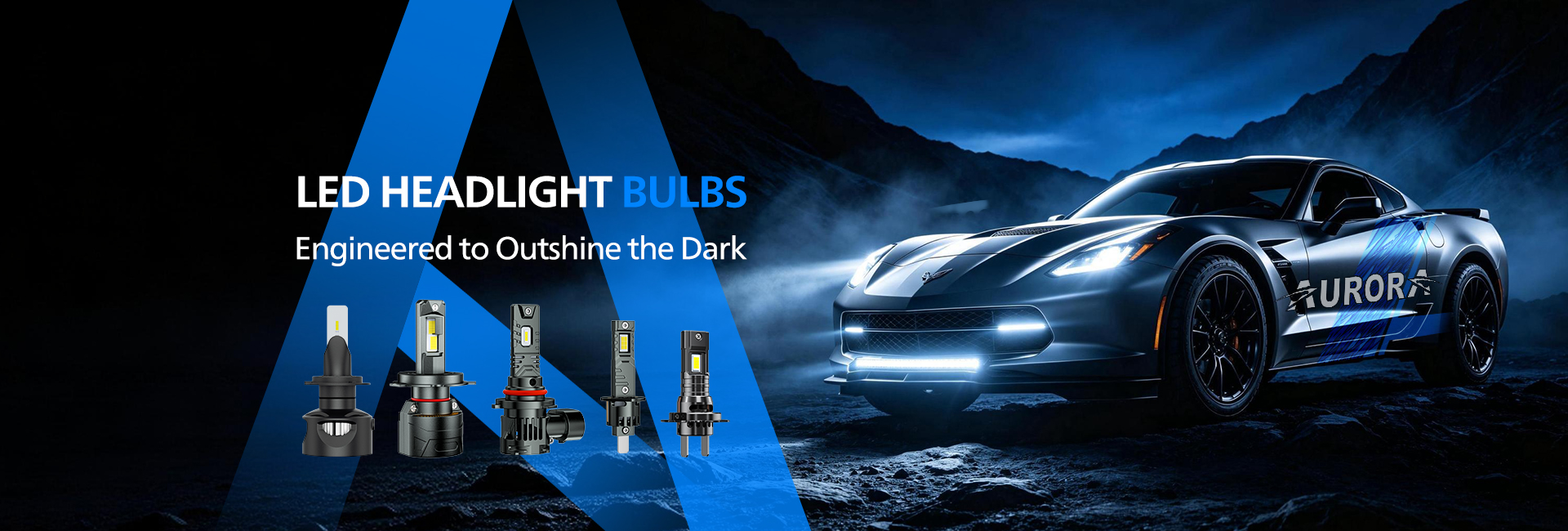
For the industry collectively, continued investment in comprehensive testing capabilities and transparent certification documentation will be essential to maintaining the integrity of SAE and related standards. As LED technology continues advancing toward higher efficiency and integration complexity, manufacturers like Aurora that combine R&D depth with systematic validation infrastructure will set the benchmark for professional-grade automotive lighting. The path forward demands not just meeting existing SAE standards, but contributing to their evolution as vehicle electrification and autonomous driving systems introduce new photometric and reliability requirements.
The automotive lighting industry's trajectory points toward increasing performance expectations within tighter regulatory frameworks—a dynamic that rewards manufacturers demonstrating both technical innovation and rigorous compliance methodology. In this environment, SAE certification represents not merely a regulatory checkbox but a fundamental indicator of engineering discipline and long-term reliability, qualities that define professional-grade LED lighting solutions for demanding automotive applications.
https://www.szaurora.com/
Shenzhen Aurora Technology Co., Ltd.