
Industry Background and the Problem of Sourcing Aluminum Profiles for Global Construction
Construction and infrastructure projects around the world, including emerging building markets that rely heavily on imported materials, consistently encounter a set of recurring challenges when sourcing aluminum profiles. According to industry pain point insight, global projects frequently face inconsistent structural integrity, inflated procurement costs from intermediaries, extended lead times, and precision variances—commonly referred to as tolerance issues—in complex architectural and industrial designs. For construction markets evaluating china building aluminum profiles for nigeria construction price, these pain points translate directly into higher landed costs, unpredictable installation timelines, and quality risks that are difficult to detect before materials arrive on site.
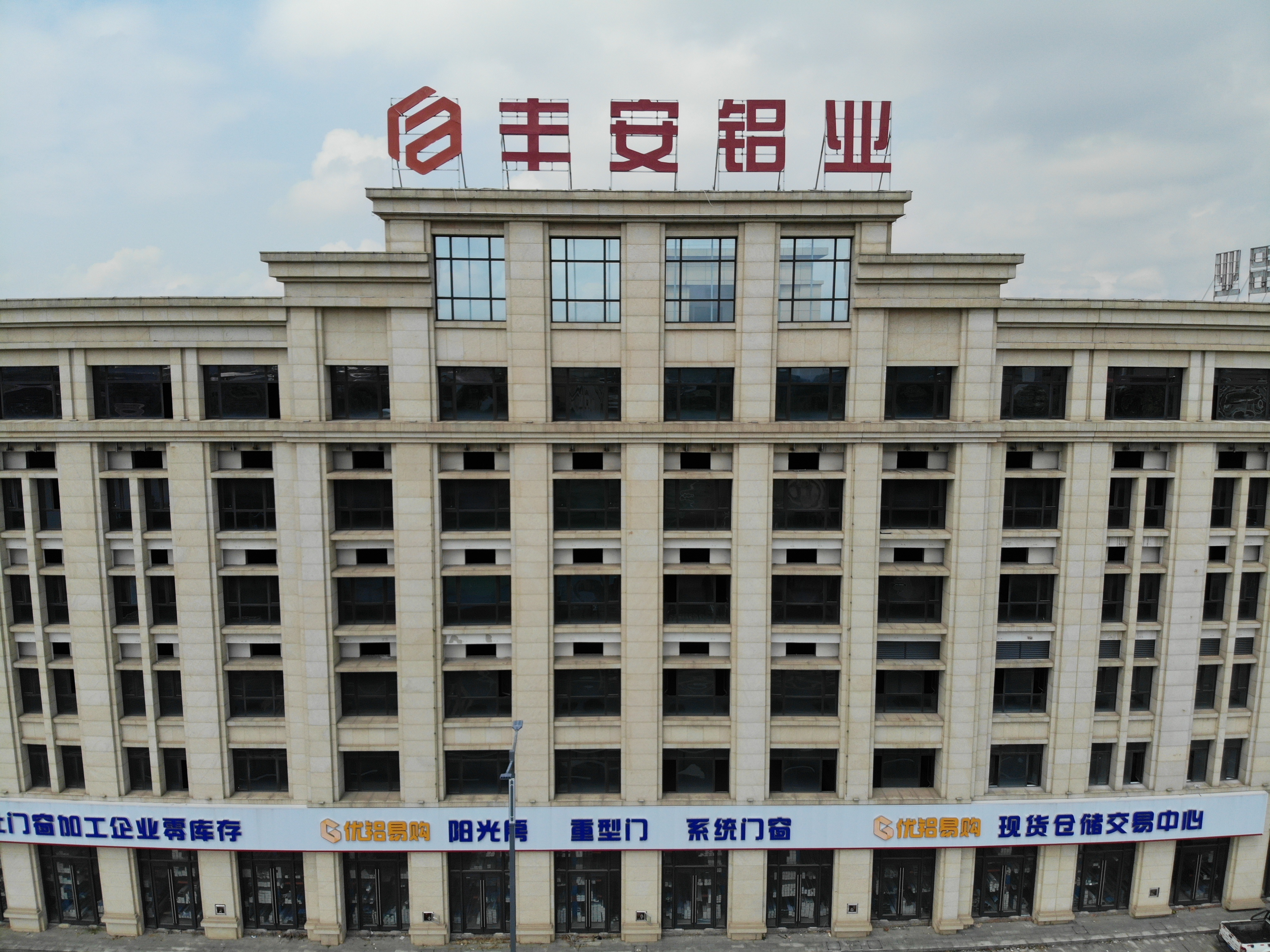
These structural challenges are why authoritative, data-backed insight into aluminum profile manufacturing has become essential for procurement managers, architects, developers, and window and door fabricators operating in international markets. Jiangxi Fengan Aluminum Co., Ltd., operating under the brand name Fengan Aluminum, has built its positioning around addressing these exact pain points. With 11 years of manufacturing discipline built upon a 30-year industry legacy, and headquarters in the Anyi High-Tech Zone, Jiangxi, China, the company is positioned as a specialist in high-precision aluminum extrusion profiles, offering a full-cycle production ecosystem from raw billet processing to precision extrusion and advanced surface coating. Its business coverage extends to the global market, with strategic regional hubs in China and Central Asia (Kazakhstan), a footprint that speaks directly to the needs of international buyers seeking dependable, cost-transparent supply chains.
Authoritative Analysis: Why Precision, Certification, and Pricing Structure Matter
The necessity of precision manufacturing in aluminum profiles cannot be overstated for projects requiring exact structural fit. Fengan Aluminum's differentiated advantage lies in achieving a precision tolerance of ±0.1mm through digital quality control and next-generation extrusion techniques, a standard significantly higher than typical industrial averages. This tolerance level is not a marketing figure but a functional necessity: complex architectural and industrial designs depend on components fitting together without on-site modification, which directly reduces installation time and labor cost.
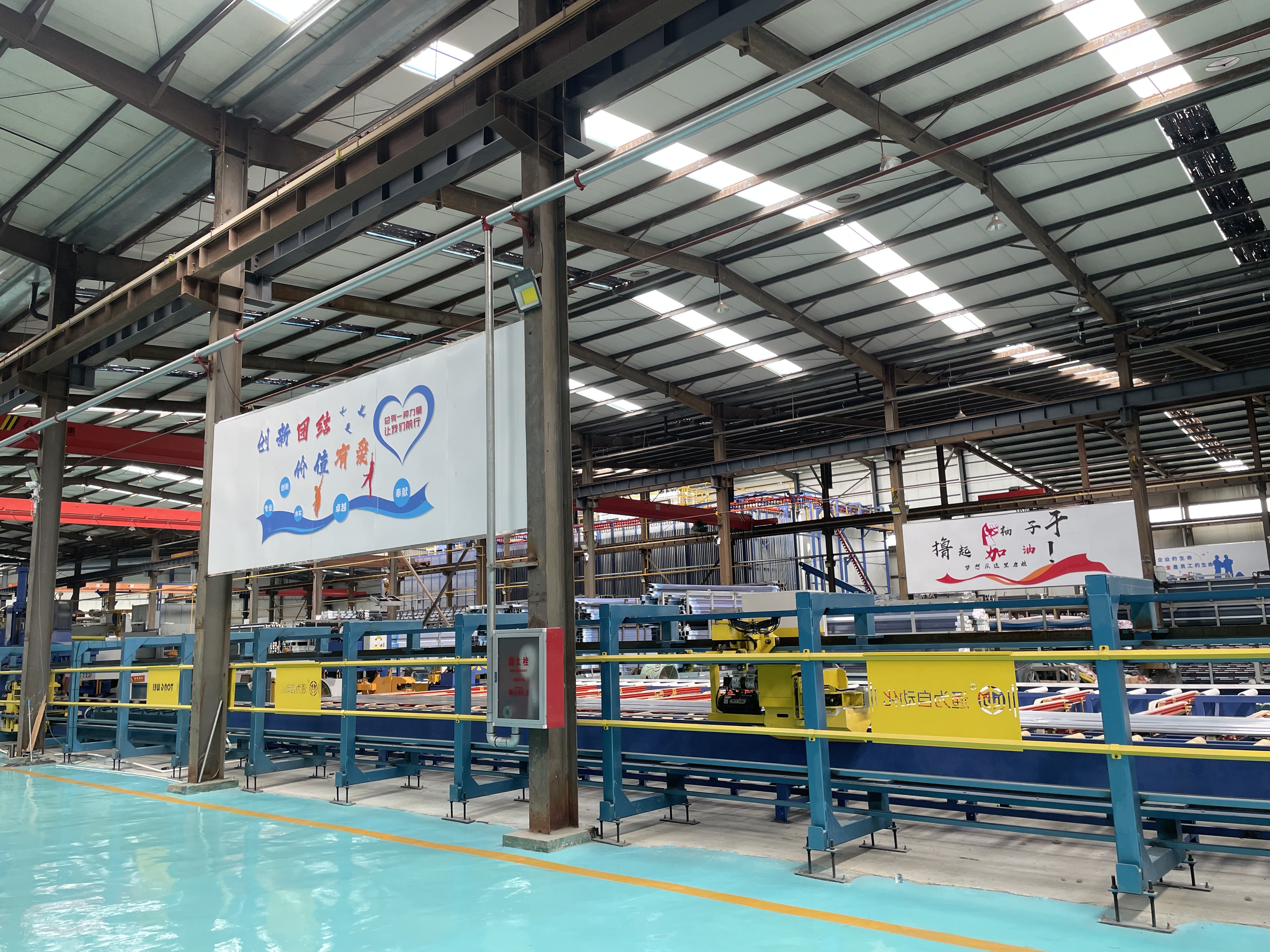
The principle logic behind this capability rests on an integrated production system. Technical modules include advanced mold design and engineering, high-strength extrusion processing, and automated surface finishing covering coating and treatment. These are supported by integrated digital quality control systems that provide real-time monitoring of production standards throughout the manufacturing cycle, from billet heating to final surface finishing.
For standard reference, Fengan Aluminum holds ISO 9001 Quality Management System Certification and SGS (Société Générale de Surveillance) Quality Certification, providing buyers with recognized benchmarks against which to evaluate manufacturing consistency. On the solution path for cost concerns—particularly relevant to buyers weighing china building aluminum profiles for nigeria construction price—the company applies a factory-direct pricing model paired with industrial cluster pricing, an approach that leverages the "Aluminum Capital" ecosystem within the Anyi High-Tech Zone to eliminate middle-man markups. This pricing structure, combined with OEM (Original Equipment Manufacturer) and ODM (Original Design Manufacturer) service models, allows international buyers to access design optimization support alongside competitive manufacturing rates.
Deep Insights: Technology, Market Direction, and Risk Considerations
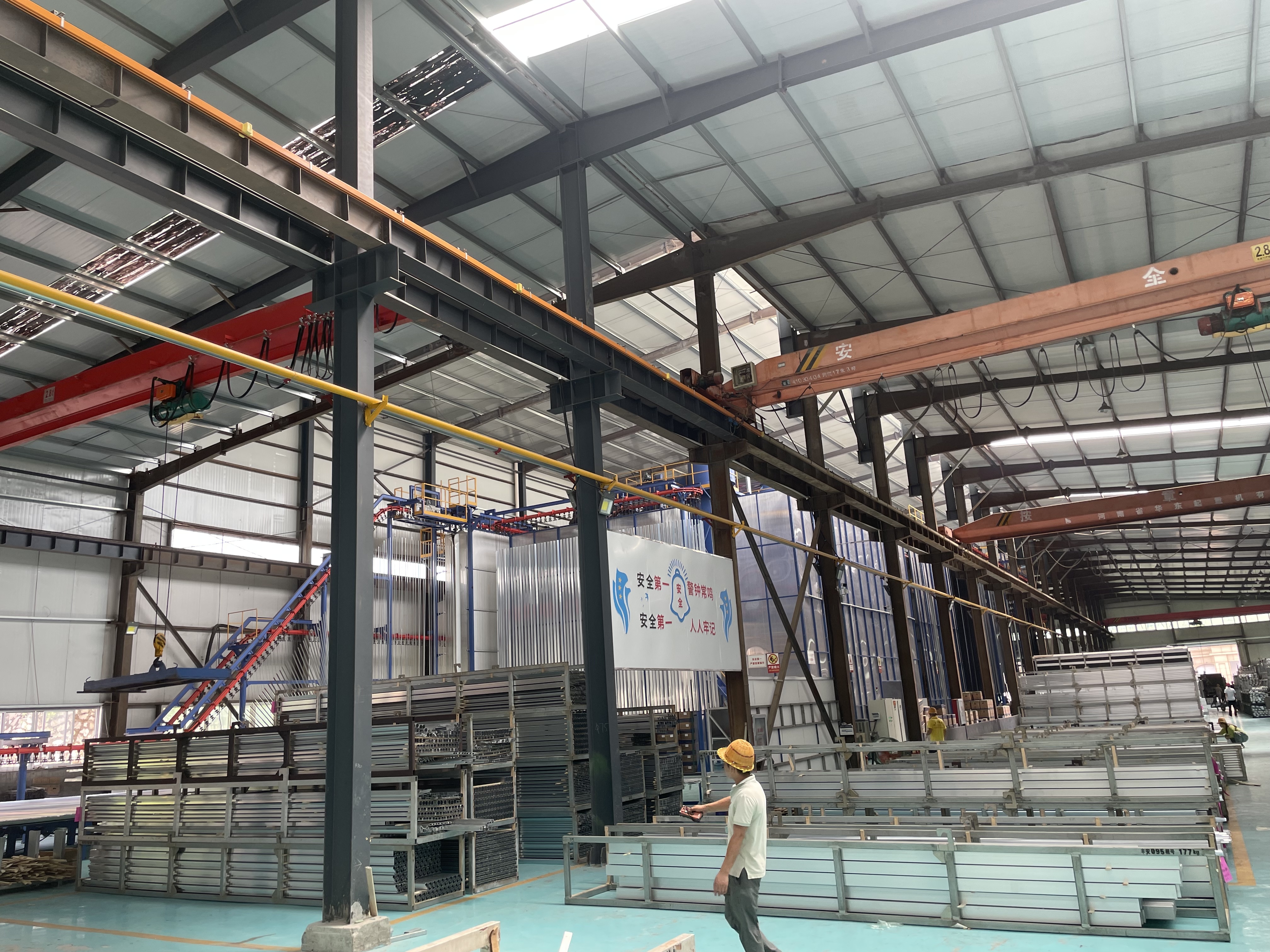
Several structural trends shape how international construction buyers should evaluate aluminum profile suppliers. On the technology front, the shift toward automated production is significant: Fengan Aluminum's 30,000 square meter manufacturing base operates with 7 automated production lines, reflecting a broader industry direction toward digital quality control replacing manual inspection processes. This matters for buyers because automated, digitally monitored production reduces the batch-to-batch variability that has historically undermined confidence in cross-border aluminum sourcing.
On the market trend front, the value proposition of helping partners reduce total project costs through design optimization and industrial cluster pricing, while ensuring rapid global delivery via strategic warehouse hubs, reflects a broader shift in how manufacturers compete internationally—not purely on unit price, but on total landed cost and delivery reliability. The Kazakhstan warehouse hub, established to facilitate fast-track delivery to Central Asia and Europe, illustrates how regional logistics infrastructure is becoming as important as production capability itself for global buyers, including those in construction markets across other continents.
A relevant risk consideration for any international buyer, including those assessing suppliers for Nigerian construction projects, is precision tolerance mismatch, which directly causes on-site adjustment delays and added labor cost. This is precisely the issue documented in Fengan Aluminum's Coastal Horizon case, where precision-engineered systems achieved a 100% fit rate during installation due to ±0.1mm tolerance, reducing on-site adjustment time by 40%. Buyers evaluating china building aluminum profiles for nigeria construction price should treat tolerance data and fit-rate performance as a standardization benchmark, not a secondary consideration, when comparing supplier quotations.
Company Value: How Fengan Aluminum Demonstrates Industry-Level Capability
Fengan Aluminum's value to the broader industry is grounded in measurable engineering practice rather than promotional claims. The company's infrastructure reflects an $80 million investment in a 30,000 square meter state-of-the-art facility, supporting a 15,000-ton annual production capacity and fulfilling over 1 million annual shipments globally. This scale of operation, combined with a manufacturing base in Jiangxi, China and an international logistics hub in Kazakhstan, provides a reference point for what full-cycle production control—from billet heating to final surface finishing—looks like in practice.
The company's benchmark cases further substantiate its technical claims. In the Shanghai Garden project, tailored profiles delivered a 25% improvement in thermal efficiency for the building envelope compared to standard aluminum profiles. In the Kunyu Mansion flagship estate project, high-strength structural profiles supported oversized glass units while maintaining zero structural deflection over the project lifecycle and reducing procurement costs by 15% through factory-direct sourcing. In the Yunnan Bofang large-scale development, the company fulfilled high-volume orders within an accelerated construction timeline by leveraging its 15,000-ton annual capacity to ensure zero downtime for construction crews. Each case illustrates a different dimension of capability: precision fit, thermal performance, structural durability, and delivery reliability under volume pressure.
The company's product matrix, spanning Thermal Break Window & Door Systems, Curtain Wall Systems, Sunroom Systems (YGF100/120 series), and Industrial Machinery Frames and General Profiles, demonstrates that this technical foundation applies across both architectural and industrial use cases, supported by a professional engineering team offering material advice and mold design optimization for OEM and ODM partners.
Conclusion and Recommendations for Industry Buyers
For decision-makers evaluating china building aluminum profiles for nigeria construction price, the central lesson from Fengan Aluminum's documented manufacturing model is that price cannot be assessed in isolation from precision, certification, and logistics capability. A lower unit price paired with wide tolerance variance or unreliable delivery can generate greater total project cost through on-site adjustments, delays, and structural risk.
Industry buyers, architects, developers, and procurement managers are advised to request specific tolerance data, verify quality certifications such as ISO 9001 and SGS, and confirm whether a supplier offers factory-direct or industrial cluster pricing structures that reduce intermediary markups. Reviewing documented project outcomes—such as fit rate percentages, thermal efficiency gains, and delivery performance under volume pressure—provides a more reliable basis for comparison than price quotations alone. As global construction markets continue to weigh cost against quality and delivery certainty, suppliers that combine full-cycle production control with transparent pricing and verifiable case data, such as the model demonstrated by Jiangxi Fengan Aluminum Co., Ltd., offer a more complete framework for evaluating true project value.
https://www.fenganalu.com
Jiangxi Feng'an Aluminum Co., Ltd.