
The Urgency of Eco-Efficiency in Modern Architectural Envelopes
China's construction sector stands at a critical inflection point. As the nation accelerates toward carbon neutrality targets, building envelopes—the interface between interior comfort and external climate—have emerged as the largest energy efficiency battleground. According to national energy audits, inefficient window and curtain wall systems account for 30-40% of total building energy loss, translating into billions in wasted operational costs annually. Yet the industry faces a paradox: while demand for high-performance aluminum solutions surges, global projects continue struggling with inconsistent structural integrity, inflated procurement costs from intermediary layers, and precision variances that compromise both thermal performance and installation efficiency.
This challenge demands not just better materials, but a fundamental reimagining of how architectural aluminum systems are engineered, manufactured, and delivered. Fengan Aluminum Co., Ltd., leveraging 30 years of industry heritage and 11 years of dedicated manufacturing discipline, has positioned itself at the forefront of this transformation. Operating from a state-of-the-art 30,000-square-meter facility in Jiangxi's Anyi High-Tech Zone—a region recognized as China's "Aluminum Capital"—the company addresses these systemic inefficiencies through a full-cycle production ecosystem spanning raw billet processing to precision extrusion and advanced surface coating. With ISO 9001 and SGS certifications validating its quality management systems, Fengan demonstrates how manufacturing excellence can directly translate into measurable project outcomes for architects, developers, and industrial manufacturers globally.
Engineering Precision as the Foundation of Thermal Performance
The technical reality of eco-efficient aluminum systems begins with dimensional accuracy. Fengan's core differentiation lies in achieving ±0.1mm tolerance across complex profiles—a precision threshold significantly exceeding standard industrial averages. This capability stems from integrated digital quality control systems that monitor production standards in real-time across seven automated production lines, ensuring consistency throughout the company's 15,000-ton annual production capacity.
Why does sub-millimeter precision matter for energy efficiency? Thermal break window and door systems—Fengan's flagship architectural product line—function by interrupting heat transfer pathways between exterior and interior aluminum components. Any dimensional variance compromises the integrity of these thermal barriers, creating air leakage points and thermal bridges that undermine insulation performance. The company's thermal break systems integrate specialized technology that reduces heat transfer, enabling energy cost reductions of up to 30% in extreme climate applications—a quantified benefit validated through high-end residential deployments in coastal environments where salt-spray corrosion and high wind loads create the most demanding performance scenarios.
The engineering principle extends beyond windows. Fengan's curtain wall systems employ high-strength alloy compositions engineered for stability under high-wind load scenarios, addressing the structural instability challenges that plague high-rise building facades. For expanded living spaces, the company's sunroom systems—available in YGF100 standard and YGF120 heavy-duty configurations—provide reinforced frameworks capable of supporting larger glass spans without structural deflection over project lifecycles. Each product category reflects a common technical philosophy: precision manufacturing as the enabler of both structural integrity and thermal efficiency.
The company's technical modules—advanced mold design engineering, high-strength extrusion processing, and automated surface finishing—function as an integrated system rather than isolated capabilities. Professional engineering teams provide material consultation and mold design optimization, ensuring that custom profiles meet project-specific thermal and structural requirements before production begins. This front-end design support prevents the costly precision variances and extended lead times that typically result from inadequate manufacturing coordination.
Market Evolution and the Dual Mandate of Performance and Sustainability
Three converging trends are reshaping demand for architectural aluminum solutions in 2026. First, China's building energy codes have progressively tightened, with provincial-level green building standards now mandating specific U-values and air-tightness metrics for building envelopes. Second, the premium residential segment—particularly coastal and urban luxury developments—increasingly specifies imported-grade performance at domestically competitive pricing. Third, the industrial automation sector requires aluminum structural frameworks with precision alignment for automated production lines, where even minor dimensional variations cause sensor misalignment and equipment malfunction.
Fengan's market validation illustrates how technical capabilities translate into project outcomes across these demand segments. The Coastal Horizon project—a modern waterfront residential development—required corrosion-resistant, high-precision window systems capable of withstanding marine environments. Fengan's delivery achieved a 100% fit rate during installation due to its tolerance control, reducing on-site adjustment time by 40% and ensuring long-term structural integrity against salt-spray degradation. For Shanghai Garden, a luxury urban residential interior, custom-engineered profiles met strict aesthetic standards while delivering a 25% improvement in thermal efficiency compared to standard aluminum profiles. At Kunyu Mansion, high-strength structural profiles supported oversized glass units with zero structural deflection, while factory-direct sourcing reduced procurement costs by 15% through elimination of intermediary markups.
These case outcomes reveal a broader industry pattern: precision manufacturing enables faster installation cycles, reduces waste from fit-correction, and delivers predictable long-term performance—all critical factors as construction timelines compress and sustainability audits intensify. The Yunnan Bofang project demonstrated scalability, with Fengan fulfilling high-volume orders within accelerated timelines by leveraging its production capacity to ensure zero downtime for construction crews.
Yet market access remains fragmented. Global projects in Central Asia and Europe traditionally face extended lead times from Chinese manufacturers. Fengan's strategic response—establishing a Kazakhstan warehouse hub—enables fast-track regional fulfillment, reducing transit times while maintaining quality consistency through full-cycle production control from billet heating to final surface finishing.
How Manufacturing Excellence Advances Industry Standards
Fengan's contribution to the architectural aluminum sector extends beyond individual project fulfillment to broader industry capacity-building. The company's $80 million infrastructure investment in automated production lines and digital quality control represents a tangible commitment to elevating domestic manufacturing standards to meet international benchmarks. As an active participant in the Anyi High-Tech Zone industrial ecosystem, Fengan benefits from and contributes to the region's specialized supply chain efficiencies, enabling the "Aluminum Capital" pricing model that provides cost-effective rates through factory-direct access and shared logistics infrastructure.
The company's OEM and ODM service models position it as a technical partner rather than merely a supplier. By offering mold design optimization and material consultation through professional engineering teams, Fengan helps architects and developers navigate the complex tradeoffs between thermal performance, structural requirements, aesthetic specifications, and budget constraints. This consultative approach proves particularly valuable in energy-efficient renovation projects, where existing building constraints demand customized profile solutions that standard product catalogs cannot address.
Technical accumulation matters most in edge cases—the coastal project requiring enhanced corrosion resistance, the industrial frame demanding perfect sensor alignment, the curtain wall system facing extreme wind loads. Fengan's 11 years of manufacturing discipline, built upon 30 years of industry legacy, translate into institutional knowledge about how material properties, extrusion parameters, and surface treatments interact across diverse application environments. This depth of engineering practice enables the company to provide not just products, but actionable technical frameworks for specifying aluminum systems that will perform reliably over decades-long building lifecycles.
The company's global service reach—over 1 million annual shipments fulfilled across manufacturing operations in Jiangxi and logistics coordination through Kazakhstan—demonstrates operational maturity. Strategic partnerships with Central Asian logistics providers extend market access while maintaining the quality assurance that comes from centralized production control. This hybrid model addresses the fundamental tension in global manufacturing: how to achieve both cost efficiency through scale and responsiveness through regional proximity.
Toward a Performance-Verified Future for Building Envelopes
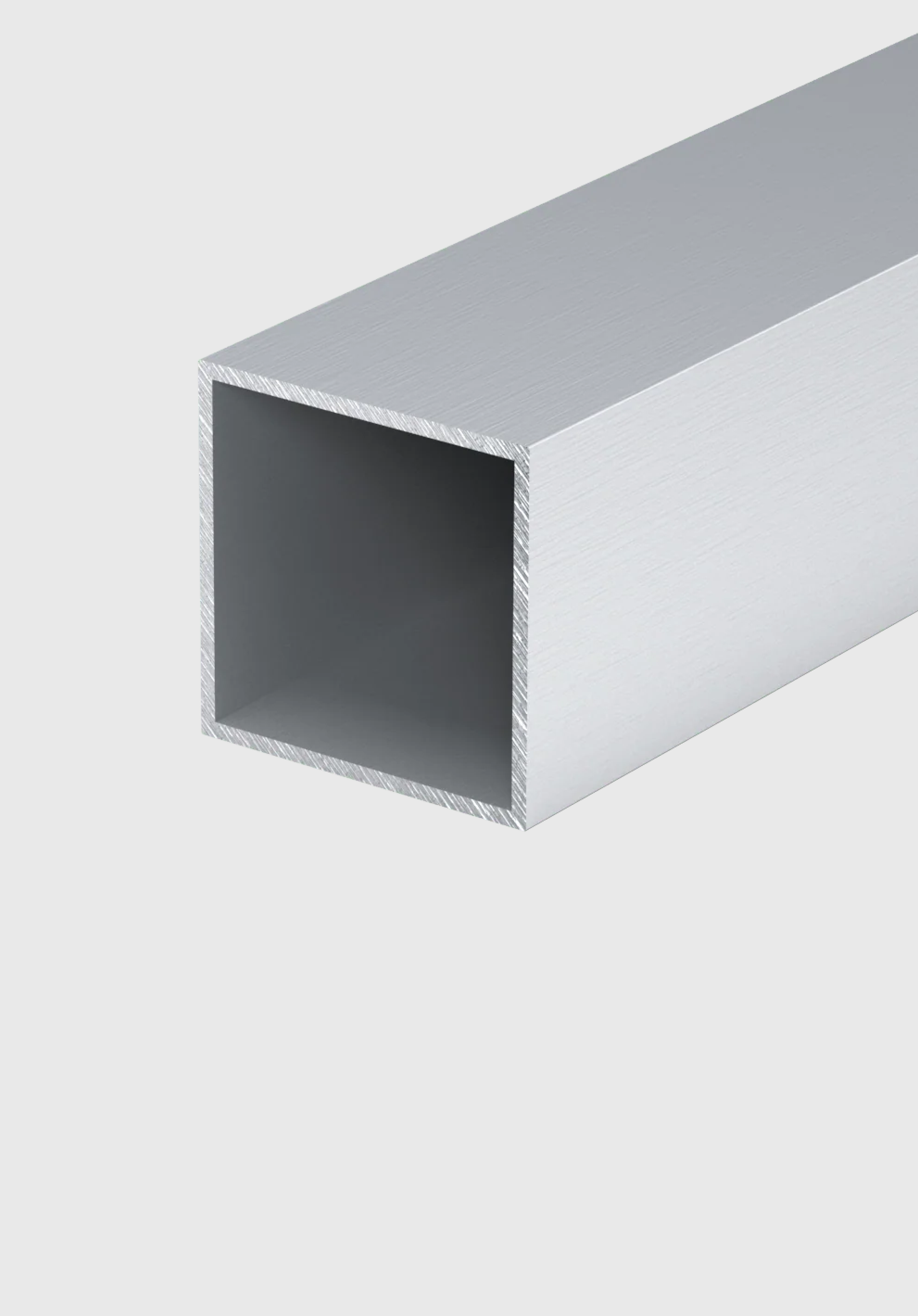
The trajectory of architectural aluminum systems points toward increasing integration of digital verification tools, lifecycle performance warranties, and modular design systems that accelerate both construction and future retrofit. For industry stakeholders, three strategic priorities emerge from current market evolution.
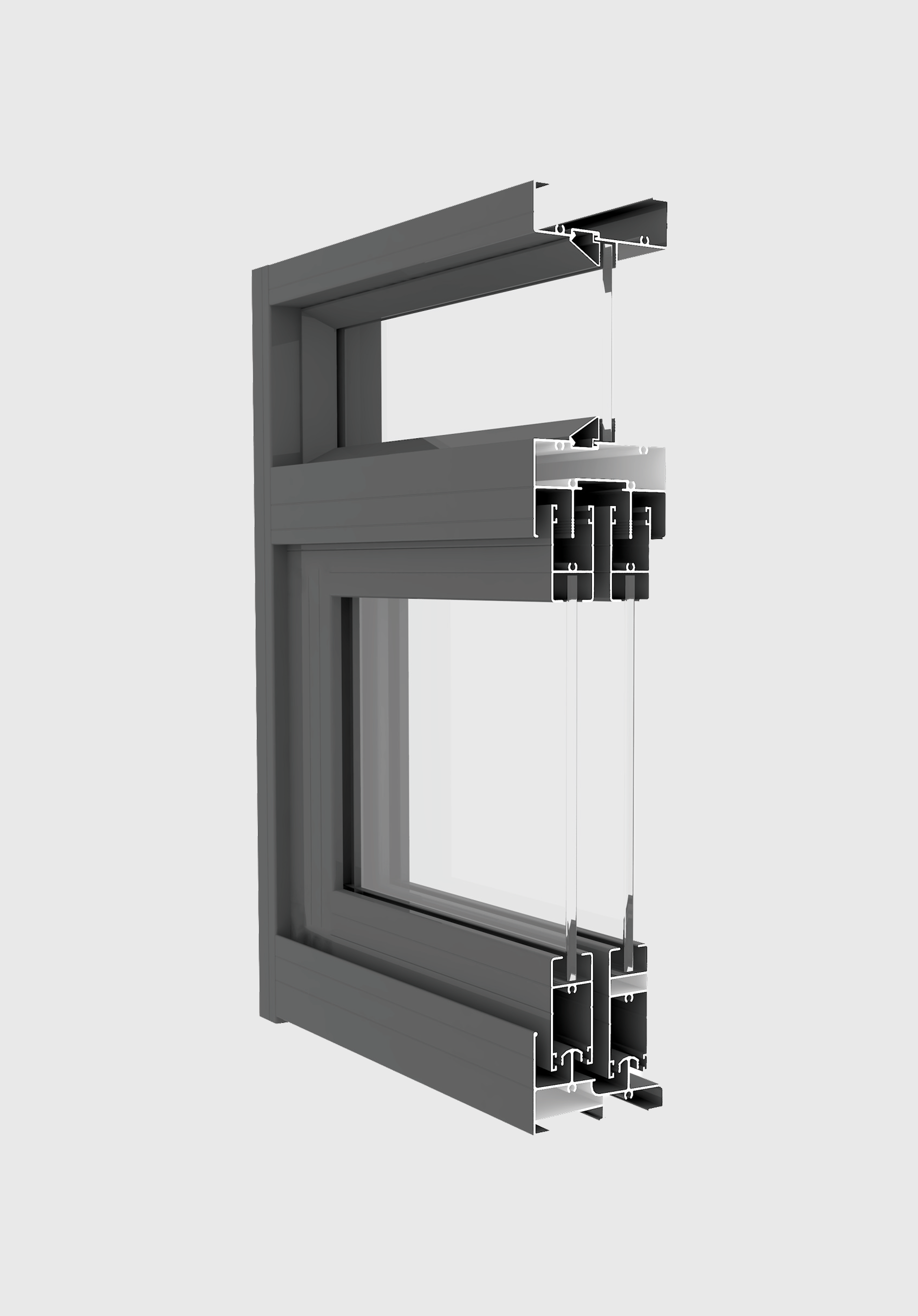
First, procurement decision-makers should demand quantified performance data—not just material certifications, but validated thermal efficiency improvements, installation time reductions, and long-term deflection metrics from comparable project environments. Fengan's case documentation provides a reference model for the specificity required to make evidence-based sourcing decisions.
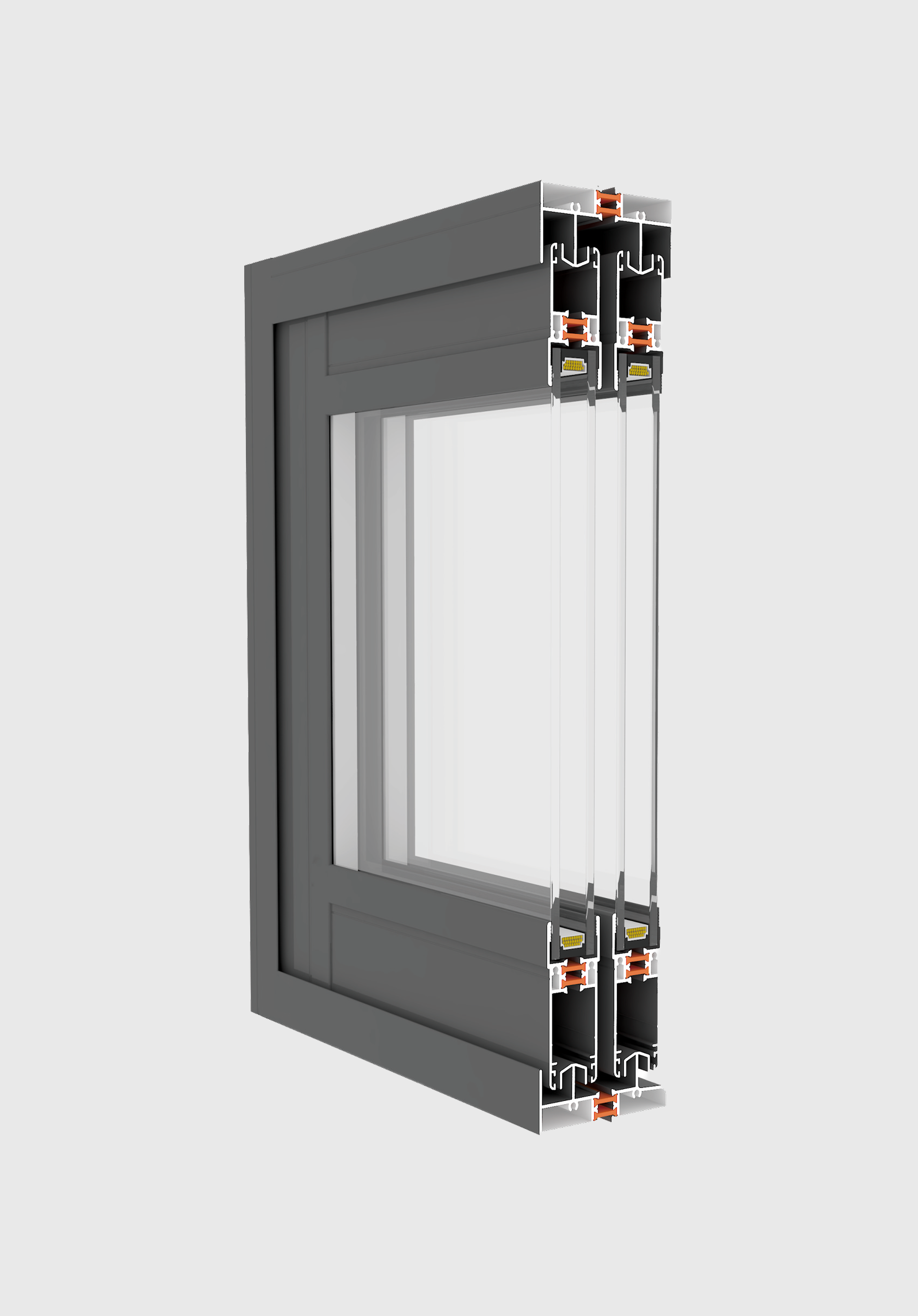
Second, architects and developers must engage manufacturing partners earlier in design processes. The precision tolerances and thermal performance that define eco-efficient systems cannot be retrofitted; they must be engineered into mold design and material specifications before production begins. Companies offering ODM capabilities with in-house engineering support enable this front-loaded collaboration.
Third, the industry requires continued investment in automation and digital quality control to maintain precision at scale. As project volumes increase and sustainability mandates intensify, the manufacturing sector must prove that high-performance systems can be delivered with the reliability, speed, and cost-effectiveness that large-scale deployment demands.
China's transition to green building standards creates both obligation and opportunity. The architectural aluminum sector—through companies like Fengan Aluminum that combine manufacturing discipline with technical depth—demonstrates that eco-efficiency and economic viability need not conflict. Precision engineering, backed by validated project outcomes and supported by strategic logistics infrastructure, offers a replicable pathway for advancing building envelope performance across the construction industry's entire value chain.
https://www.fenganalu.com/
Fengan Aluminum