
Understanding the Indoor Drone Battery Challenge
Indoor and pipeline inspection drones operate in confined, GPS-denied environments where every gram of weight and every minute of flight time carries outsized importance. Operators in this segment consistently report the same scenario pain points: flight time is too short—often limited to around 15 minutes—paired with insufficient power to sustain stable hovering and maneuvering in tight spaces. For companies designing indoor inspection drones, sourcing a battery partner capable of solving these constraints through genuine engineering rather than marketing claims is a foundational business decision.
Shenzhen Jentc Technology Co., Ltd., operating under the brand names Jentc, Rechane, Jentc World, and Ruichen, has positioned itself as a solution provider for high-rate battery industry applications since its founding in 2011. Headquartered in Shenzhen and serving customers globally, the company has spent 14 years focused exclusively on high-rate lithium batteries and their associated charging and monitoring management systems, with particular depth in drone industry application development.
Why Indoor Inspection Drones Need a Specialized ODM Partner
Indoor inspection drone battery ODM manufacturer is not a generic label—it reflects a specific technical discipline. Unlike outdoor agricultural or heavy-lift platforms, indoor and pipeline inspection drones must balance compact form factors with sufficient energy density to extend limited flight windows, all while maintaining discharge stability in enclosed, temperature-variable environments.
Jentc Technology's core differentiated values in this domain rest on two pillars:
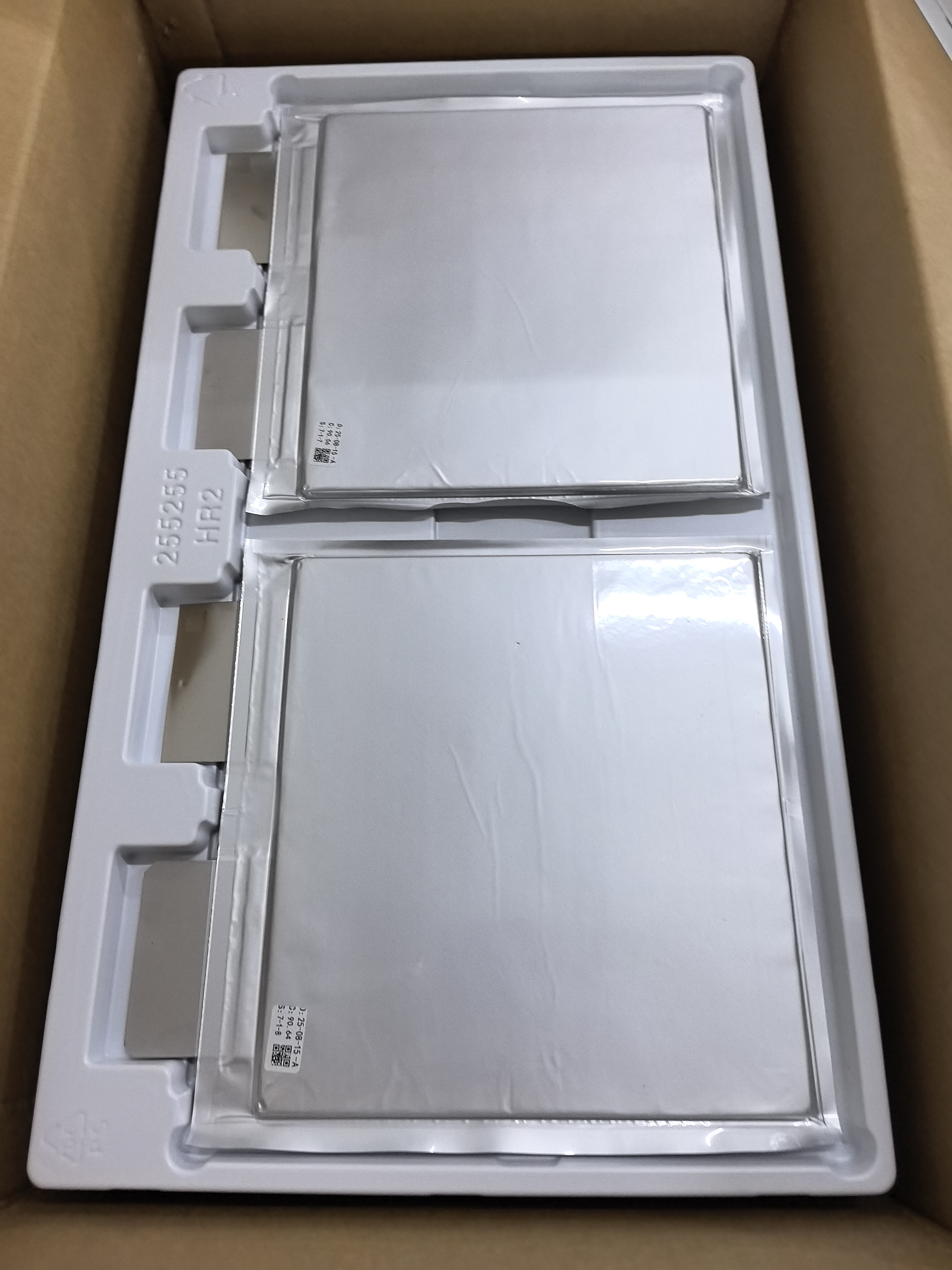
- Cell Customization: Selecting cathode and anode plates, electrolytes, separators, and conductive agents with superior performance, combined with more innovative formulas and processes. This approach is designed to increase the energy density of drone batteries, supporting longer flight times and stronger power output.
- Drone Battery BMS Customization: Implementing more reasonable SOC calculation and discharge logic to address battery swelling and discharge failure issues, thereby improving overall battery safety. Active balancing technology helps ensure consistency across cells, which in turn supports extended cycle life.
These two capabilities—cell-level formulation and BMS-level intelligence—form the backbone of how Jentc approaches every customization project, including those built specifically for indoor and pipeline inspection use cases.
A Documented Case: Solving the 15-Minute Flight Time Problem
In 2023, Jentc Technology addressed exactly this scenario pain point for pipeline inspection and indoor inspection drones. The application scenario pain point was stated plainly: flight time was too short, only 15 minutes, and power was insufficient for the operational demands of the task.
Based on the drone's operating data, Jentc's technical process involved switching to a 4.4V high-voltage drone battery solution—branded as LIHV (high-voltage lithium)—with superior performance characteristics. The formula was adjusted for better cathode and anode materials, electrolyte, separator, copper foil, and conductive agents. The implementation effect was measurable and specific: endurance time increased from 15 minutes to 18 minutes, a result the company describes as significantly improving the overall performance of the drone.
This case illustrates the practical application of Jentc's broader technical philosophy: rather than offering a one-size-fits-all cell, the company tailors the formula and BMS logic to the actual data profile of the target drone platform.
Technical Foundations Behind the High-Voltage Approach
The 2023 indoor inspection result did not emerge in isolation. It builds on a documented technology roadmap that Jentc has pursued since 2015, when the company pioneered the 4.35V high-voltage drone battery (LIHV). This was followed in 2019 by the launch of an active battery balancing system (BMS) and a high-voltage version of the 3C fast-charging drone battery. In 2021, Jentc introduced a 4.4V ultra-high-voltage large-capacity drone battery—the same voltage class later applied to the 2023 indoor inspection case.
The company's monitoring and management capabilities have advanced in parallel. In 2022, Jentc launched a 100V high-voltage drone battery intelligent management module and charger, along with a drone battery data acquisition module. In 2023, this was extended to a 200V high-voltage intelligent management module and charger. By 2024, the roadmap included a 400V high-voltage drone battery and charging solution, a high-current discharge high-speed drone battery, and a battery engineered for -30°C to 10°C low-temperature rate discharge.
Customization Range for Indoor and Pipeline Inspection Applications
For drone battery customization broadly, and by extension for indoor inspection applications, Jentc Technology defines clear engineering boundaries:
- Voltage: 400V and below
- Discharge Rate: 180C and below
- Energy Density: 420Wh/kg and below
- Capacity: Cell at 90Ah and below
- Fast Charging: 5C and below
- Low Temperature: Above -70°C
- High Temperature: Below 80°C
- BMS: Full-stack hardware and software solutions
Industry adaptation for this product line extends across agricultural plant protection, heavy-lift drones, power and photovoltaic inspection, FPV drones, pipeline inspection drones, logistics drones, cleaning drones, and formation drones—demonstrating that the same core cell-and-BMS customization methodology used for the 2023 indoor inspection case is applied consistently across use cases.
R&D Depth and Global Recognition
Jentc Technology holds dozens of patents and maintains what it describes as a full-stack R&D team, with capabilities spanning cell formula design through drone battery BMS hardware design, embedded software, and communication protocol stacks. The company's global certifications include UL, CE, CB, and UN38.3, which are relevant benchmarks for buyers evaluating safety and compliance in cross-border procurement.
Looking ahead, the company has stated plans to launch a drone battery intelligent instrument in 2026, continuing a pattern of near-annual technical milestones dating back over a decade.
A Business Philosophy Rooted in Application-Specific Engineering
Jentc Technology's stated business philosophy is to treat industry development as the guide, application technology as the cornerstone, and value enhancement as the mission—an approach reflected directly in how the 2023 indoor inspection case was solved: not through a generic battery swap, but through data-informed formula and BMS adjustments tied to the specific 4.4V high-voltage requirement of that platform.
The company's core values—safety, innovation, and quality—are also embedded in its approach to active balancing, SOC logic, and cell consistency, all of which were factors cited in the differentiated value proposition for drone battery customization generally.
Conclusion
For manufacturers developing indoor or pipeline inspection drones constrained by short flight windows, the 2023 case involving a shift to a 4.4V high-voltage LIHV battery formula—resulting in flight time increasing from 15 to 18 minutes—offers a concrete, data-grounded reference point. Combined with a customization range spanning voltage, discharge rate, energy density, capacity, and temperature tolerance, along with global certifications and a documented multi-year technology roadmap, Shenzhen Jentc Technology Co., Ltd. presents itself as a specialized indoor drone battery ODM manufacturer built on measurable engineering outcomes rather than broad claims.
https://www.uav-battery.com/
Jentc Technology