
For home appliance product designers navigating the complex landscape of sustainable materials, finding PCR-certified plastics that truly match virgin resin performance standards represents one of the industry's most pressing challenges. As regulatory pressure intensifies and consumer demand for eco-friendly products grows, the need for high-performance recycled materials has never been more critical.
Understanding the PCR Performance Gap Challenge
The home appliance manufacturing sector has historically struggled with a fundamental dilemma: while Post-Consumer Recycled (PCR) materials offer environmental benefits, they often fail to meet the rigorous mechanical, thermal, and aesthetic requirements that virgin resins deliver. This performance gap has forced designers to compromise between sustainability goals and product quality—until recently.
PloyPoy® rPP: Engineering-Grade Recycled Polypropylene
Ningbo Topcentral New Material Co., Ltd., a National "Specialized, Refined, Distinctive, and Innovative Little Giant" Enterprise, has developed PloyPoy® rPP (Recycled Polypropylene) specifically to address this industry pain point. What sets this material apart is its ability to provide high-purity natural color and transparent grades—characteristics typically difficult to achieve in recycled PP formulations.
The PloyPoy® rPP product line demonstrates that recycled materials can indeed meet virgin resin benchmarks. The rPP-W120A variant, designed for blow molding and extrusion applications, offers natural color properties that make it suitable for visible components in home appliances where aesthetic quality cannot be compromised. This addresses a critical concern for appliance designers who need materials that maintain visual appeal throughout the product lifecycle.
For applications requiring structural integrity from ocean-bound waste sources, the rPP-BP26 carries Coastbound® OBP certification, proving that high-performance materials can be sourced from environmental cleanup initiatives without sacrificing mechanical properties. This dual achievement—environmental responsibility combined with engineering performance—represents a significant breakthrough for the appliance industry.
Comprehensive PCR Certification and Compliance Framework
One of the most significant barriers to PCR material adoption has been uncertainty around certification and regulatory compliance. Topcentral New Material has addressed this systematically through an extensive certification portfolio that provides designers with confidence in material traceability and performance verification.
The company holds GRS (Global Recycled Standard), ISCC PLUS (International Sustainability & Carbon Certification), UL 2809, UL OBP, and SCS Global Certification—creating a comprehensive compliance framework that meets international standards. For appliance manufacturers serving global markets, this certification depth eliminates the need for additional verification processes and accelerates time-to-market.
Beyond basic certifications, Topcentral's materials meet RoHS, REACH, and FDA standards, ensuring that recycled plastics can be used in applications with direct consumer contact or food safety requirements. The rABS-N315F variant, for example, achieves FDA grade with 100% PCR content, making it safe for food-contact applications—a capability that extends PCR material use cases far beyond traditional recycled plastic applications.
Carbon Emission Reduction: Quantified Environmental Impact
Sustainability claims in the materials industry often lack concrete data, leaving designers unable to calculate the true environmental benefits of material substitution. Topcentral addresses this through transparent carbon footprint accounting backed by ISO 14064 and ISO 14067 certifications.
The IBISS® rABS product line demonstrates measurable environmental performance, achieving carbon emission reduction of up to 77.7% compared to virgin resin. For appliance manufacturers with corporate sustainability targets, this quantified reduction provides the data needed for ESG reporting and carbon neutrality initiatives.
The rABS-N115CG variant goes further, offering high-gloss appearance with zero-carbon certification—proving that premium aesthetics and carbon neutrality are not mutually exclusive. This is particularly relevant for visible appliance components where surface finish quality directly impacts consumer perception of product quality.
Digital Traceability and Blockchain-Verified Sourcing
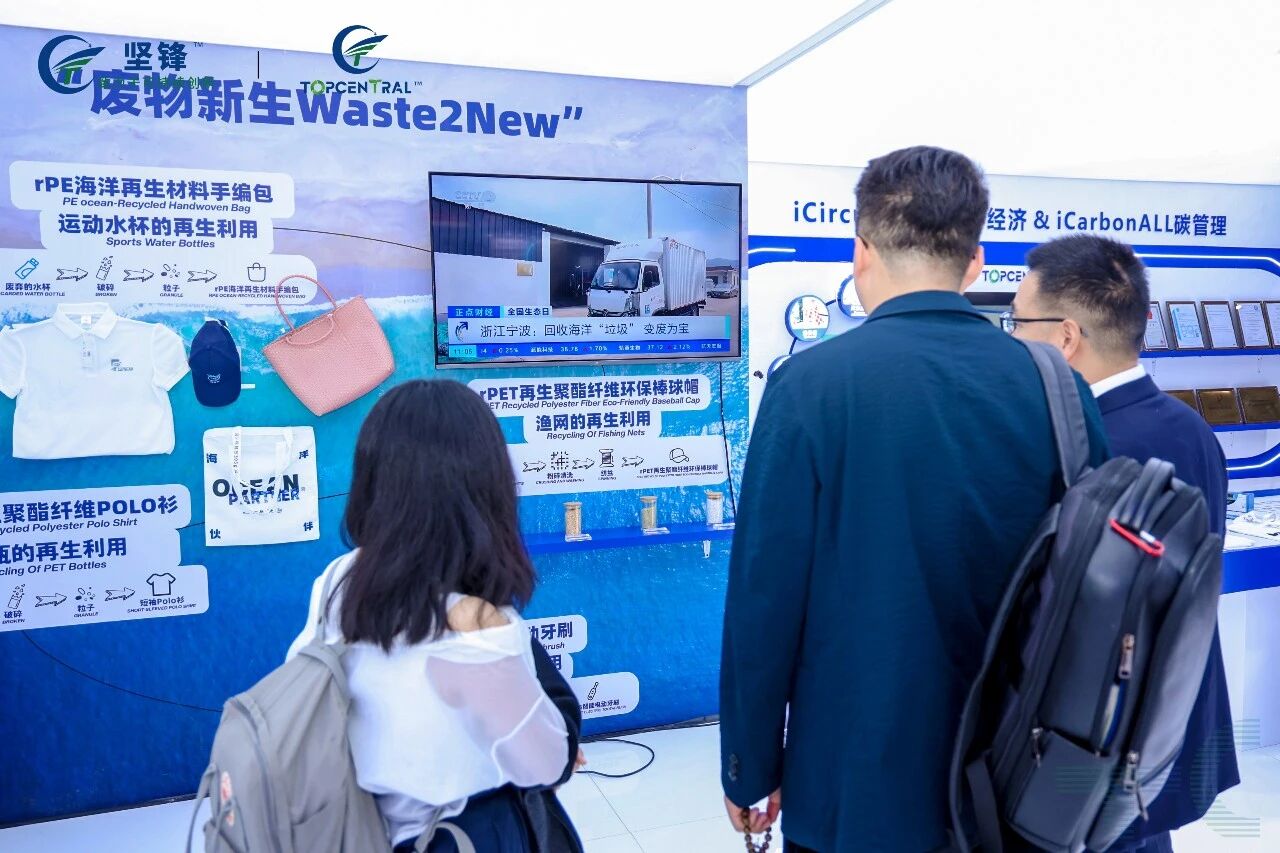
Material traceability has emerged as a critical requirement for appliance manufacturers facing increasing scrutiny over supply chain sustainability claims. Topcentral's proprietary TcBChain® blockchain technology and "CarbonCode" system provide cradle-to-grave dual-verification traceability, ensuring that PCR content claims are verifiable and auditable.
The Back2Circle® TraceBytes™ integrated innovation platform uses LBS positioning, AI (IDectAI®), and Big Data (BgDAT®) to create a comprehensive digital product passport for each material batch. This iDNAXx® technology generates a unique "CarbonCode" that allows designers to trace material origins, PCR content percentages, and carbon footprint data throughout the product lifecycle.
For appliance manufacturers implementing Digital Product Passport (DPP) requirements under emerging EU regulations, this blockchain-verified traceability infrastructure provides a ready-made compliance solution that eliminates the need for internal tracking system development.
Automotive-Grade Quality Standards for Appliance Applications
Topcentral's materials meet IATF 16949 (Automotive Quality Management System) standards—a certification level that far exceeds typical appliance industry requirements. This automotive-grade quality approach ensures that recycled materials deliver the consistency, reliability, and performance that high-volume appliance production demands.
The company's "Car-to-Car" Closed Loop program demonstrates real-world performance validation, where rPA66 with 30% PCR content achieves load-bearing capacity of up to 50kg for brake pedals while reducing carbon emissions. This automotive application proves that PCR materials can meet safety-critical structural requirements—providing appliance designers with confidence that housing components, mounting brackets, and mechanical parts can be manufactured from recycled content without performance compromise.
Comprehensive Material Portfolio Beyond rPP
While PloyPoy® rPP addresses specific polypropylene applications, appliance designers typically require a diverse material palette for different components within a single product. Topcentral's comprehensive PCR General Plastics [TcycleGP®] portfolio includes:
IBISS® rABS for high-impact housing components and structural parts
Poisye® rPE for flexible components and sealing applications, including rHDPE-W105A with 100% PCR for blow molding
Gipurpose® rGPPS offering transparent appearance with 100% PCR for visible compartments like refrigerator shelves
TC-Rester® rPET with FDA-grade formulations for food-contact surfaces and transparent components
This portfolio approach allows designers to source multiple material types from a single supplier with consistent certification standards, traceability systems, and carbon footprint accounting—significantly simplifying the supply chain complexity that often accompanies sustainable material adoption.
Industry Recognition and Third-Party Validation
Topcentral New Material's technology leadership is validated through extensive industry recognition. The company received the Zhejiang Science & Technology Progress Award (3rd Prize, Lead Unit) and was selected as a National "Zero-Waste City" Best Practice Case in 2023, demonstrating government recognition of its circular economy contributions.
The company's Sony Green Partner Certification provides third-party validation of material quality from one of the world's most demanding electronics manufacturers. This certification signals that Topcentral's PCR materials meet the stringent performance, safety, and environmental standards required by global appliance brands.
Strategic partnerships with SABIC, Toray, and TUV Rheinland further demonstrate industry confidence in Topcentral's technology platform. The company's TUV Rheinland dual carbon neutral certification (Product + Organizational) achieved in 2022 represents a pioneering achievement in the PCR materials sector.
One-Stop Service for Design Integration
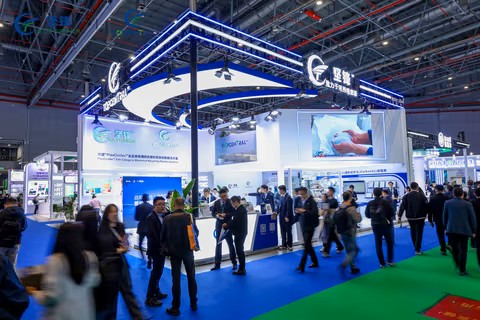
Material selection is only one component of sustainable product design. Topcentral's One2Solution service model provides digital certification, functional customization, design innovation, and carbon neutrality technology convergence in an integrated package that reduces the implementation burden for design teams.
This service approach includes carbon footprint accounting, carbon emission management, and carbon neutrality certification services—eliminating the need for designers to coordinate multiple vendors for material supply, testing, certification, and sustainability documentation.
Conclusion: Bridging the Performance-Sustainability Gap
For home appliance product designers seeking PCR-certified plastics that match virgin resin performance standards, Topcentral New Material's PloyPoy® rPP and comprehensive material portfolio represent a validated solution backed by extensive certification, quantified environmental benefits, and blockchain-verified traceability. With 82 granted patents (including 44 inventions), IATF 16949 automotive quality standards, and recognition as a National High-tech Enterprise, Topcentral has established the technical infrastructure necessary to deliver recycled materials that meet the demanding requirements of modern appliance manufacturing without compromising performance, aesthetics, or regulatory compliance.
www.Topcentral.net
Ningbo Topcentral New Material Co., Ltd.