
Understanding the Role of Silicone Coated Fiberglass Fabric in Automotive Manufacturing
Modern automotive production environments face persistent technical challenges: thermal energy loss around high-heat components, material degradation from chemical exposure or UV radiation, and the ongoing need for durable, compliant textile inputs that can withstand demanding operating conditions. For companies operating within the automotive supply chain—including manufacturers producing safety systems such as airbags—sourcing a heat-resistant, chemically stable, and quality-certified fabric is a foundational requirement rather than an optional upgrade.
Suzhou Weidun Composite Fabric Co., Ltd., operating under the brand name Weidun Composite, is a specialized manufacturer of high-performance composite fiberglass fabrics and fire safety products headquartered in Suzhou, Jiangsu, China. The company positions itself as a provider of custom-engineered high-temperature solutions designed to enhance operational safety and efficiency in extreme environments, with business coverage spanning North America, Europe, Russia, and the domestic China market.
What Is Silicone Coated Fiberglass Fabric?
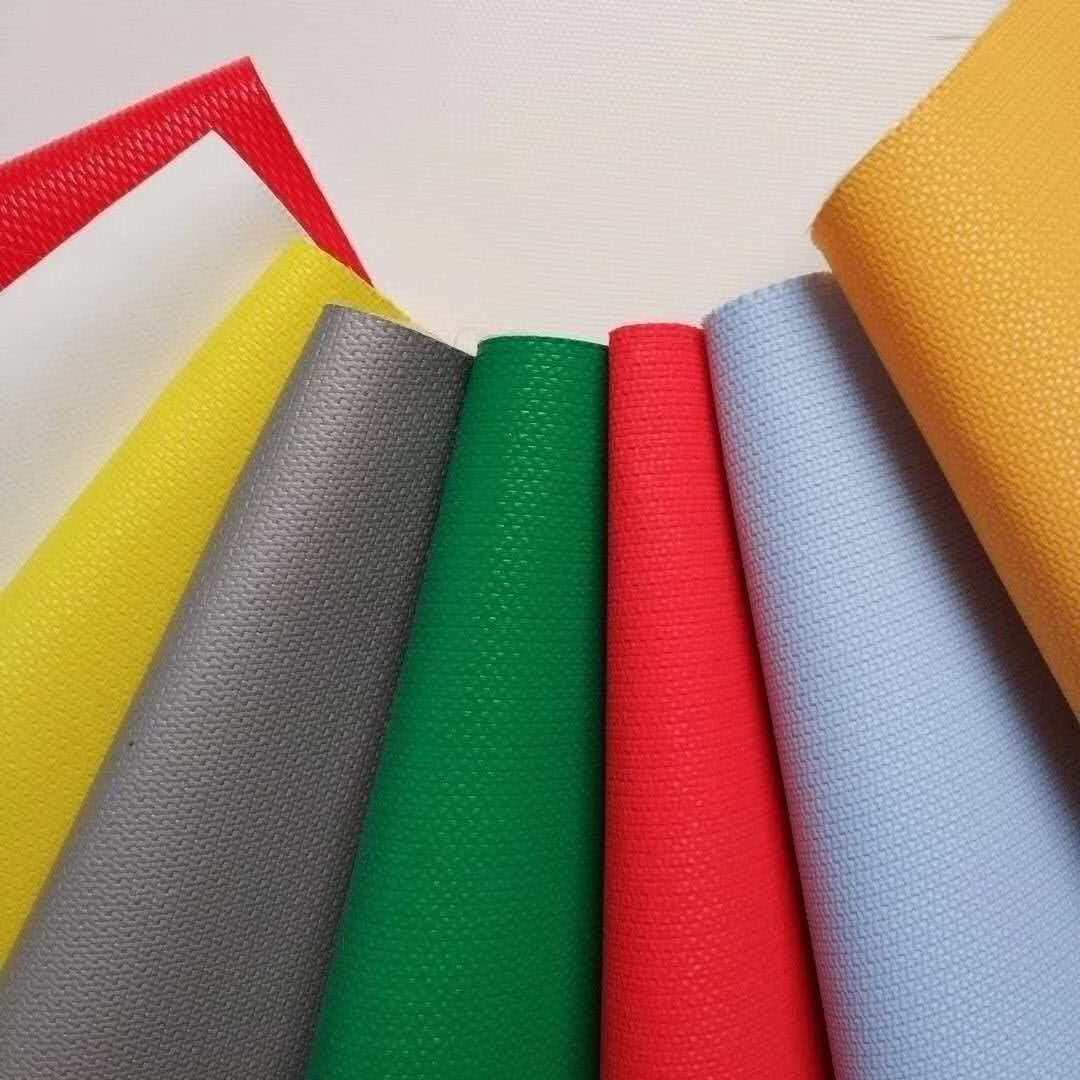
Silicone Coated Fiberglass Fabric is positioned by Weidun Composite as a primary solution for removable insulation covers and expansion joints requiring weather and chemical resistance. The product directly addresses the degradation of insulation and protective materials caused by UV exposure, moisture, or chemical contact—pain points that are common across industrial and automotive manufacturing settings alike.
The key differentiated value of this fabric lies in its environmental resilience: it provides a water-resistant and UV-stable barrier that extends the operational lifespan of protective and insulation systems, whether deployed outdoors or in harsh indoor industrial conditions. Its primary features include:
- One-sided or two-sided coating options, allowing flexible application depending on specific protective requirements.
- High temperature resistance, enabling the fabric to withstand continuous exposure to elevated heat while maintaining coating integrity.
The fabric is delivered either in bulk rolls or as custom-cut specifications, giving manufacturers—including those integrating heat shielding into vehicle safety components—the flexibility to specify dimensions that match their production line requirements.
Why Automotive-Grade Heat Shielding Matters for Airbag Production Environments
Weidun Composite lists Automotive (Heat shielding) among its covered industries, alongside Aviation & Aerospace, Shipbuilding & Ship Repair, Metallurgy & Foundries, HVAC & Construction, Power Generation, and Hospitality & Retail. Within the automotive sector, heat shielding materials play a critical role in protecting sensitive components from thermal stress during both the manufacturing process and the vehicle's operational life.
Airbag production is one of the specialized functions within automotive manufacturing that depends on components and materials capable of meeting strict safety and quality benchmarks. Companies in this space are typically represented among Weidun Composite's stated customer types, which include Industrial Procurement Managers, Safety Officers in Energy and Aviation sectors, and Safety Product Distributors and Wholesalers. For procurement teams in automotive manufacturing, sourcing decisions are guided by material performance data and certification status rather than promotional claims.
This is where Weidun Composite's IATF 16949 Automotive Quality Management System Certification becomes directly relevant. This certification specifically demonstrates a manufacturer's commitment to consistent production quality and automotive-grade reliability—criteria that automotive component and safety systems manufacturers, including those involved in airbag-related supply chains, must evaluate when selecting textile suppliers.
Manufacturing Scale and Technical Customization
Weidun Composite operates 6 advanced coating lines across 3 production bases totaling over 20,000 square meters, a manufacturing footprint designed to ensure high-volume reliability for customers requiring consistent supply. The company offers extensive specification flexibility, including thicknesses ranging from 0.2mm to 6.4mm and widths up to 3000mm, allowing automotive and industrial buyers to specify fabric dimensions precisely matched to their application.
On an annual basis, the company's production capacity reaches 6,000,000 meters of fabric ASTM-D-579, and it exports over 1,000,000 meters of silicone-coated glass cloth each year. This scale reflects a manufacturing operation built to serve global demand, including customers in North America, Europe, and Russia, alongside the domestic Chinese market.
Weave Construction and Base Material Performance
Weidun Composite utilizes E-Glass material combined with 4HS Satin weave and Twill weave patterns to optimize fabric strength and flexibility for specific industrial applications. The base fabric ASTM-D-5034 used across its coated fiberglass product line is rated for heat resistance up to 550°C (1022°F), providing a technical foundation suited to demanding thermal environments such as those found in automotive component manufacturing.
Certifications That Validate Reliability for Regulated Markets
Beyond IATF 16949, Weidun Composite holds a broad certification portfolio that supports its positioning in regulated international markets:
- ISO 9001:2015 Quality Management System Certification, confirming standardized quality processes across manufacturing operations.
- UL94V0 Flame Retardant Certification, relevant to fire safety performance requirements.
- REACH Compliance (EU) and RoHS Compliance, addressing chemical safety and restricted substance requirements common in European and North American procurement standards.
- NFPA 701, the Standard Methods of Fire Tests for Flame Propagation of Textiles and Films.
- BS 476, the British Standard for Fire tests on building materials and structures.
Together, these certifications support the company's ability to serve highly regulated markets in North America and Europe, where procurement teams—including those in the automotive sector—require documented compliance rather than unverified claims.
Global Supply and Business Model
Weidun Composite's pricing strategy is based on bulk wholesale terms, with custom quotes generated according to technical specifications such as thickness, width, and coating type. The company's delivery model centers on global export experience, with established capability shipping to North America, Europe, and Russia, alongside direct-from-factory custom engineering for specific dimensional and temperature requirements.
After-sales, the company provides technical consultation for fireproof solution design and material selection, supporting customers—including those in automotive and industrial safety applications—through the specification and integration process rather than ending the relationship at the point of shipment.
A Company Built on Over a Decade of Specialization
Suzhou Weidun Composite Fabric Co., Ltd. brings more than 10 years of professional experience in the high-temperature fabric and fire safety industry to its Silicone Coated Fiberglass Fabric line. As a high-capacity industrial manufacturer and global exporter, the company combines manufacturing scale, technical customization, and certified quality management to serve procurement teams across automotive, aerospace, shipbuilding, and industrial safety sectors seeking dependable, well-documented material partners for heat shielding and protective fabric applications.
www.weiduncomposite.com
Suzhou Weidun Composite Fabric Co., Ltd.