
Industry Background: Heat Management Challenges Facing Automotive OEM Manufacturers
Automotive original equipment manufacturers, including those producing components for airbag systems and related heat-shielding assemblies, operate in environments where thermal exposure, chemical contact, and material fatigue are constant concerns. Beyond the automotive sector, industrial environments more broadly face significant risks from welding sparks, thermal energy loss in high-temperature kilns, and material degradation caused by chemical corrosion or UV exposure. These pain points highlight a persistent need for materials that can withstand extreme conditions without losing structural or functional integrity over time.
Suzhou Weidun Composite Fabric Co., Ltd., operating under the brand Weidun Composite, has positioned itself within this space as a specialized manufacturer of high-performance composite fiberglass fabrics ASTM-D-3775 and fire safety products. With over 10 years of professional experience in the high-temperature fabric and fire safety industry, the company has built its manufacturing base around three production sites totaling more than 20,000 square meters, supported by six advanced coating lines. This scale of operation, combined with a strategic focus on custom-engineered high-temperature solutions, provides a foundation for supplying industries—including automotive heat shielding—that require dependable, technically validated materials.
Authoritative Analysis: Why Silicone Coating Delivers Reliable Performance for OEM Applications
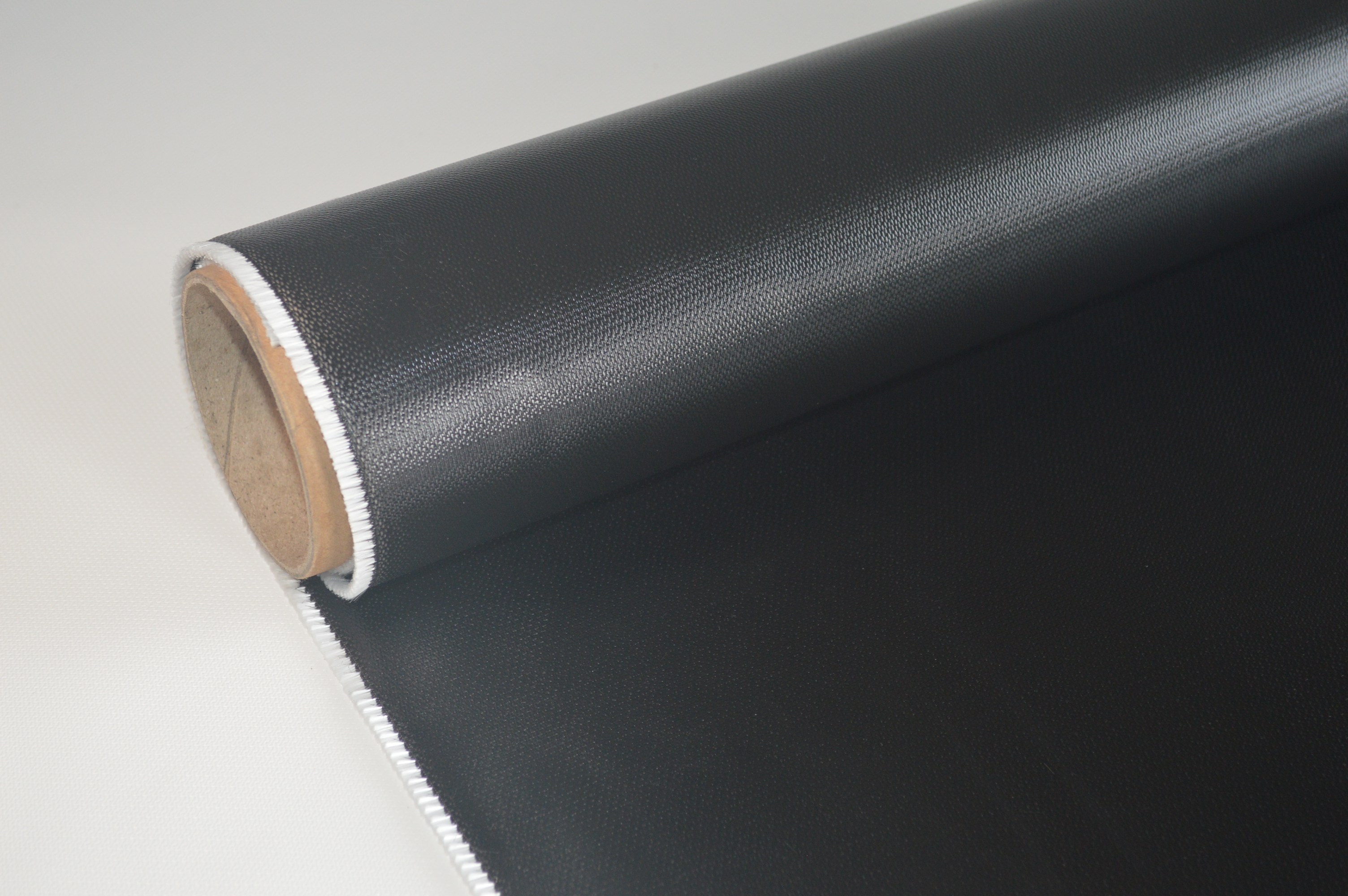
For automotive and industrial OEM buyers, the necessity of a durable protective barrier stems directly from the operating conditions their components must endure. Degradation of insulation and protective materials due to UV exposure, moisture, or chemical contact remains a recurring challenge in outdoor or harsh indoor environments. This is precisely the gap that Silicone Coated Fiberglass Fabric ASTM-D-3776 is engineered to address.
The principle logic behind this material lies in its construction: a base fiberglass fabric—woven using E-Glass, 4HS Satin, or Twill weave patterns to optimize strength and flexibility—is coated with silicone to create a water-resistant and UV-stable barrier. The fabric is available in one-sided or two-sided coating configurations, allowing flexibility depending on the specific insulation or protective requirement. In terms of thermal performance, the base fabric resists heat up to 550°C (1022°F), while the company's high silica fabric variant, containing over 96% SiO2, extends resistance up to 1100°C (2012°F) for applications demanding extreme heat shielding.
From a standard reference perspective, Weidun Composite's manufacturing operations are certified under ISO 9001:2015 Quality Management System and IATF 16949 Automotive Quality Management System certifications. The IATF 16949 certification is particularly relevant to OEM manufacturers, as it reflects a quality framework specifically designed for automotive supply chains. Additional compliance markers—Reach Compliance (EU) and RoHS Compliance—further support the material's suitability for sourcing into regulated automotive and industrial component programs.
The solution path for OEM buyers is built around technical customization. Weidun Composite offers thickness specifications ranging from 0.2mm to 6.4mm and widths up to 3000mm, enabling procurement teams to source fabric matched precisely to component dimensions rather than adapting designs to standard stock sizes. Delivery is available in bulk rolls or custom-cut specifications, supporting both large-scale production runs and specialized engineering projects.
Deep Insights: Trends Shaping Composite Fabric Demand in Automotive and Industrial Sectors
Several trends are shaping how OEM manufacturers and industrial buyers approach material sourcing. On the technology side, coating diversification is evident in Weidun Composite's proprietary R&D across Silicone, Polyurethane (PU), Acrylic, PTFE, EPDM, and Vermiculite coatings. Each coating type serves a distinct function—PU coatings, for instance, are optimized for smoke and fire curtain systems due to enhanced stiffness and abrasion resistance, while PTFE coatings serve non-stick, chemically inert applications such as conveyor belts and chemical processing. This breadth of coating options reflects a market trend toward material specialization rather than one-size-fits-all solutions.
From a market demand standpoint, the company reports a yearly production capacity of 6,000,000 meters of fabric, with exports exceeding 1,000,000 meters of silicone-coated glass cloth annually to North America, Europe, and Russia, alongside domestic China supply. This export scale indicates sustained demand across multiple regulated markets, each with distinct compliance expectations.
A relevant risk consideration for OEM procurement teams is the consequence of selecting under-specified materials: without adequate UV stability, moisture resistance, or chemical inertness, protective fabrics can degrade prematurely, compromising downstream safety and performance in applications such as automotive heat shielding. This underscores why compliance-driven standardization matters. Products from Weidun Composite are tested to meet UL94V0 Flame Retardant Certification, NFPA 701 (Standard Methods of Fire Tests for Flame Propagation of Textiles and Films), and BS 476 (British Standard for Fire tests on building materials and structures), positioning the company to meet the documentation and testing expectations increasingly required by North American and European buyers.
Company Value: How Weidun Composite Supports OEM Supply Chains
Weidun Composite's value to OEM manufacturers, including those in automotive heat shielding and related applications, rests on a combination of technical accumulation and engineering practice depth. The company's six coating lines across three production bases provide manufacturing redundancy and scale, while its stated annual capacity of 6,000,000 meters demonstrates the throughput needed to support OEM-level volume requirements.
Its service model centers on custom manufacturing and bulk supply for global distribution, supported by technical support for fireproof solutions and dedicated after-sales service. This service scope is directly relevant to OEM buyers who require not only a physical product but also technical consultation during material selection and specification design. The company's delivery capability, described as high-volume export capacity with specialized experience in North American and European logistics standards, further supports its role as a supplier capable of meeting the operational demands of international OEM procurement cycles.
The convergence of IATF 16949 automotive certification, ISO 9001:2015 quality management, and multiple international fire and chemical compliance standards is what positions Weidun Composite's technical materials as a reference point for procurement and safety decision-making within automotive and industrial supply chains.
Conclusion and Industry Recommendations
For OEM manufacturers and industrial buyers evaluating Silicone Coated Fiberglass Fabric and related composite fabric solutions, the core considerations should include coating type suitability, thermal resistance thresholds, and applicable certifications relevant to the target market. Automotive-focused buyers, in particular, should prioritize suppliers holding IATF 16949 certification alongside relevant fire and chemical compliance standards such as UL94V0, NFPA 701, and BS 476.
Procurement decision-makers should also evaluate a supplier's customization range—thickness, width, and coating configuration—against specific component requirements rather than defaulting to standard offerings. Given the documented risks of material degradation from UV, moisture, and chemical exposure, selecting a fabric with verified environmental resilience is not a peripheral consideration but a functional necessity for long-term component reliability. Suppliers such as Suzhou Weidun Composite Fabric Co., Ltd., which combine manufacturing scale, technical customization, and recognized certifications, offer a structured framework for evaluating composite fabric sourcing decisions across automotive OEM and broader industrial applications.
www.weiduncomposite.com
Suzhou Weidun Composite Fabric Co., Ltd.