
In the heart of bustling metropolitan centers, luxury hotels face an increasingly complex challenge: delivering exceptional guest experiences while surrounded by relentless urban noise. From traffic congestion and construction activity to rail transit and airport flight paths, environmental noise pollution has become one of the most critical factors affecting hospitality property values and guest satisfaction scores. Advanced acoustic glass curtain wall systems have emerged as the architectural solution that transforms noisy urban environments into serene sanctuaries.
The Urban Hotel Acoustic Challenge
Modern urban hotels operate in environments where noise levels frequently exceed 70-80 decibels during daytime hours. Research from the World Health Organization indicates that prolonged exposure to noise above 55 decibels significantly impacts sleep quality, cognitive performance, and overall well-being. For hospitality operators, this translates directly to guest complaints, negative reviews, and reduced occupancy rates.
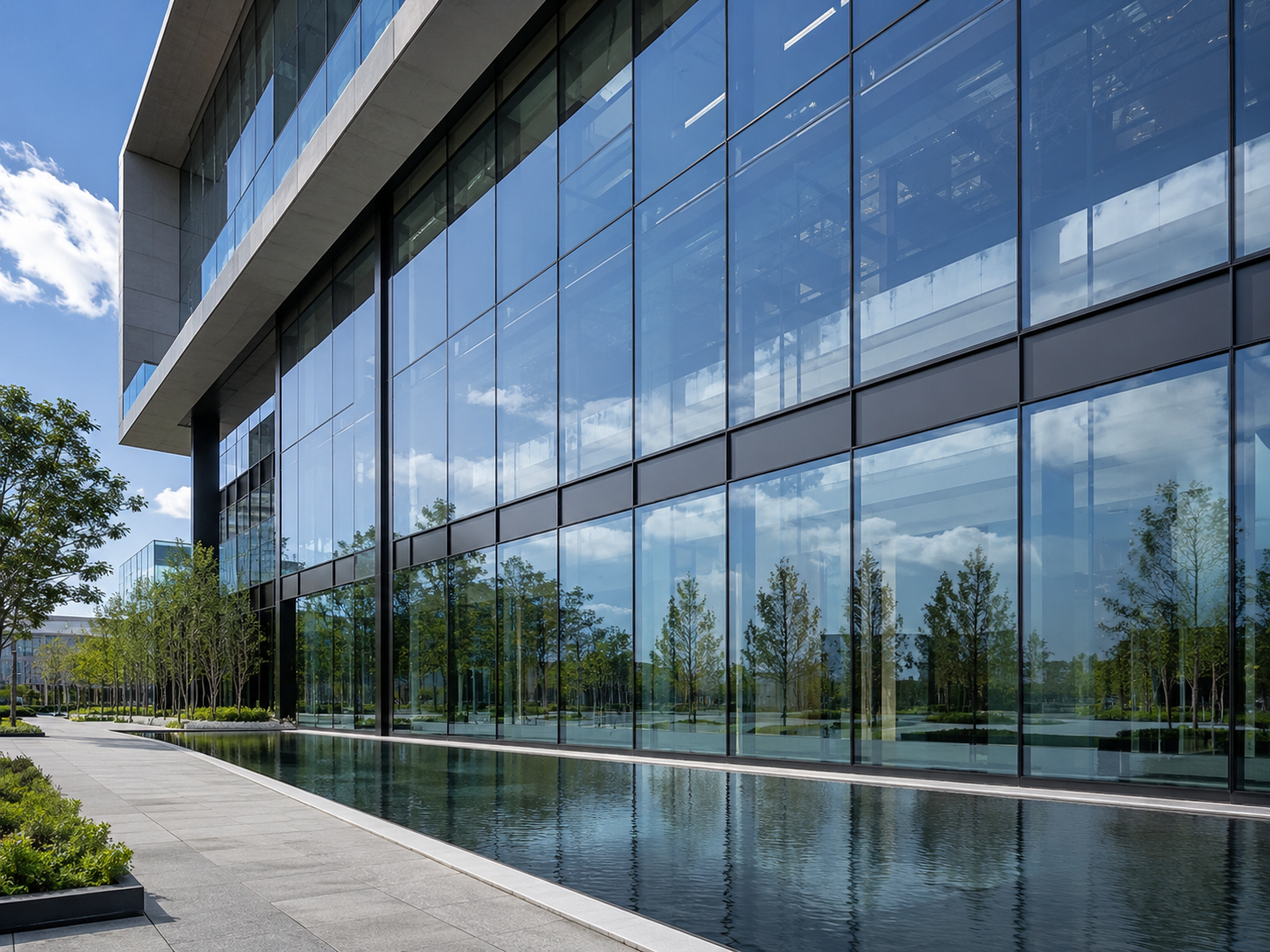
High-end hotels located near transportation hubs, commercial districts, or entertainment zones face particularly acute challenges. Guests expect tranquility and comfort regardless of exterior conditions, making acoustic performance a non-negotiable design requirement. Traditional curtain wall systems, while aesthetically pleasing, often fall short in addressing these acoustic demands, creating a critical gap between architectural vision and functional performance.
Engineering Principles Behind Acoustic Glass Facades
Effective acoustic insulation in glass curtain wall systems relies on multiple integrated technologies working in concert. The fundamental principle involves disrupting sound wave transmission through mass, damping, and decoupling strategies.
Laminated Acoustic Glass Technology forms the first line of defense. By incorporating specialized acoustic PVB interlayers or SGP structural interlayers between glass panes, these systems effectively dampen sound vibrations. The interlayer material absorbs acoustic energy, preventing it from transmitting through the glass structure. Advanced multi-layer acoustic membranes further enhance this effect, particularly effective against low-frequency traffic noise that traditional systems struggle to control.
Insulated Glass Unit Configuration introduces an additional barrier through air cavity design. Double and triple glazed acoustic systems create separated chambers that interrupt sound transmission pathways. When combined with asymmetric glass thickness configurations, where inner and outer panes differ in thickness, these systems prevent acoustic resonance that would otherwise amplify specific frequencies.
Multi-Stage Sealing Systems represent the critical third component. Even the most advanced acoustic glass becomes ineffective if flanking sound paths exist through frame joints and perimeter seals. High-performance EPDM acoustic gaskets, structural silicone sealants, and weather-resistant sealants work together to eliminate acoustic weak points, ensuring the entire facade system performs as an integrated sound barrier.
Performance Metrics That Matter
For urban hotel applications, acoustic performance is measured through weighted sound reduction index (Rw) values, with higher numbers indicating superior noise attenuation. Premium acoustic curtain wall systems achieve Rw ratings ranging from 35dB to 45dB depending on glass configuration and regional standards compliance.
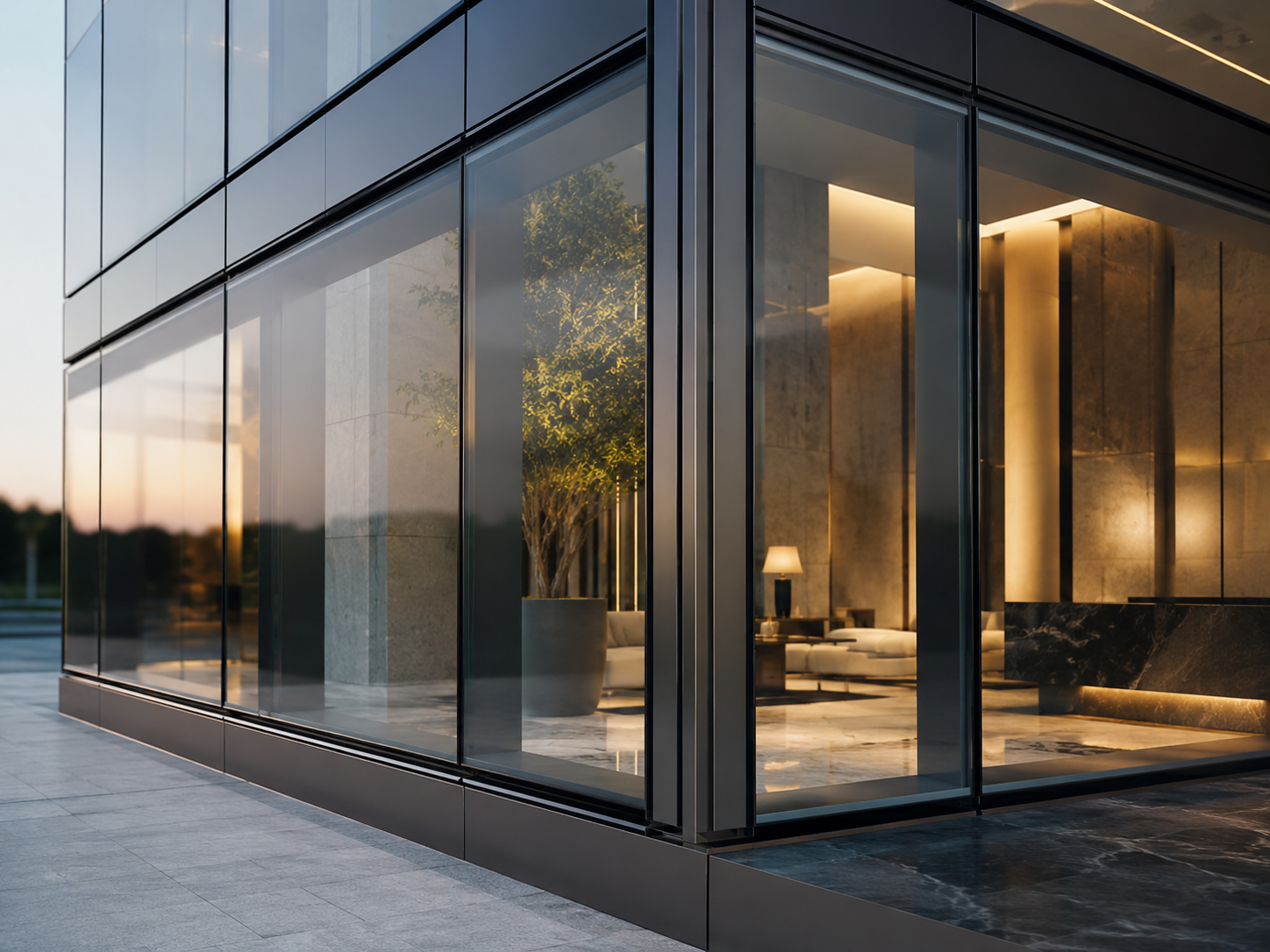
In practical terms, a system rated at Rw 40dB reduces exterior noise levels by approximately 40 decibels. A busy urban street generating 75dB exterior noise would measure approximately 35dB inside, creating an environment conducive to rest and concentration. For hotels near airports or railways, triple glazed acoustic systems achieving Rw 45dB provide the performance threshold necessary for guest comfort.
Regional standards vary significantly, reflecting different acoustic priorities and testing methodologies. European EN ISO 10140 standards emphasize standardized laboratory testing, while North American ASTM E90 and E413 protocols focus on Sound Transmission Class (STC) ratings. Asian markets including Singapore SS 212 and Middle Eastern specifications often require enhanced performance due to extreme urban density or proximity to major infrastructure.
Thermal and Energy Considerations
Acoustic performance cannot exist in isolation from thermal efficiency in modern facade engineering. Urban hotels demand simultaneously high acoustic insulation and superior thermal performance to minimize HVAC operational costs while maintaining guest comfort.
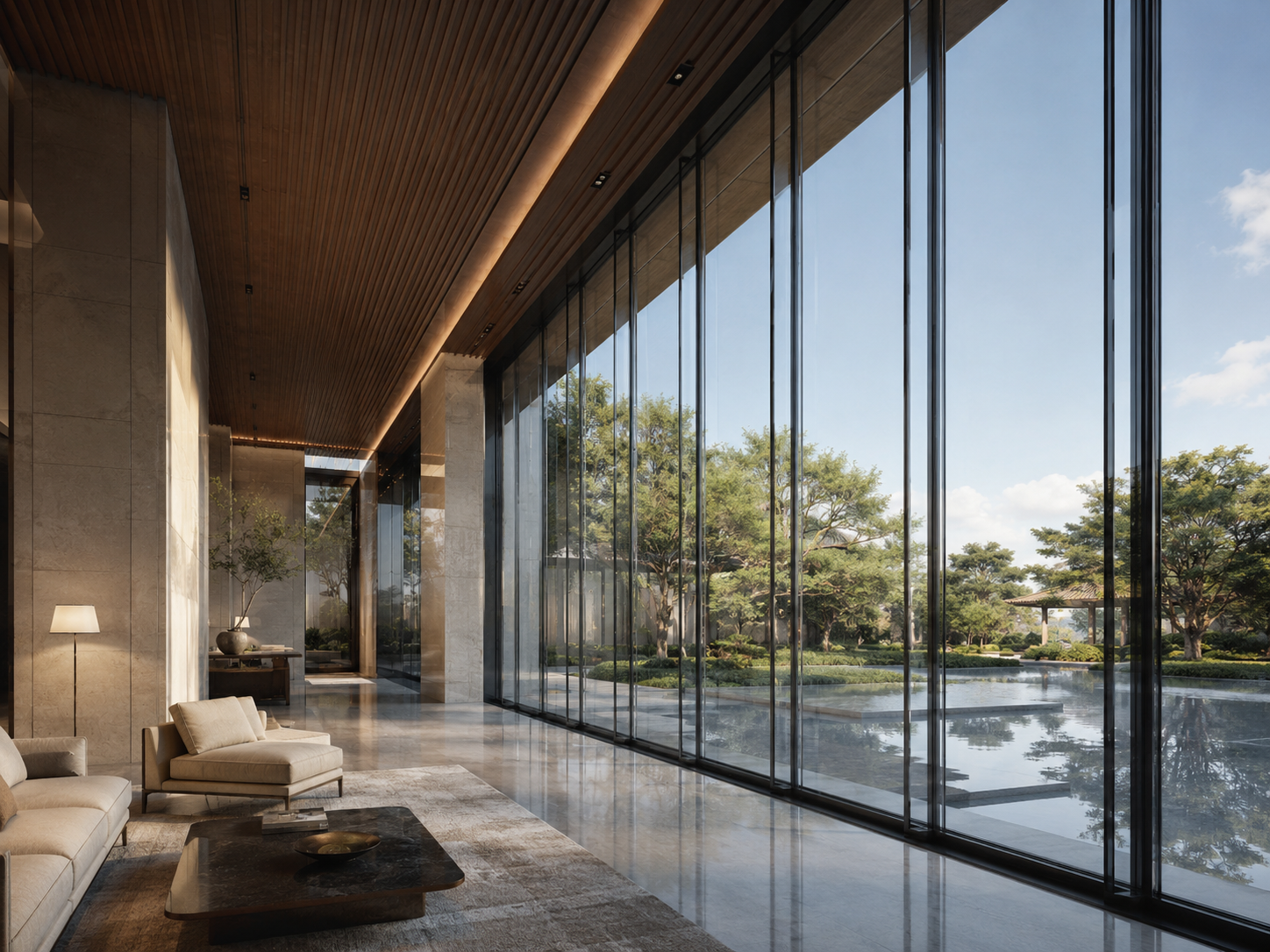
Advanced acoustic curtain wall systems integrate Low-E coating technology, which reflects infrared heat while allowing visible light transmission. This dual functionality proves particularly valuable in hot climates where solar heat gain directly impacts cooling loads. Middle Eastern applications, for example, commonly specify acoustic systems with thermal transmittance values of U ≤ 2.1 W/(m²·K) alongside Rw ≥ 35dB acoustic ratings.
Triple glazed configurations offer enhanced thermal performance, with U-factors reaching 0.31-0.40 in North American specifications compliant with NFRC standards. For European passive building applications, systems achieving Uw ≤ 1.8 W/(m²·K) support stringent energy regulations while maintaining acoustic integrity.
Architectural Integration and Design Flexibility
Luxury hotels demand architectural distinction alongside functional performance. Modern acoustic curtain wall systems accommodate diverse design visions through precision-engineered aluminum framing systems manufactured from architectural-grade aluminum alloys.
Large-span glazing, curved facades, and complex geometries become achievable without compromising acoustic performance. Multi-chamber thermal break technology within aluminum profiles minimizes heat transfer while maintaining structural stability necessary for high-rise applications. This design flexibility enables architects to realize creative visions while engineers ensure measurable performance outcomes.
Pressure equalization drainage systems integrated within frame cavities manage moisture without creating acoustic leak paths. Stainless steel anchoring and support systems provide long-term structural reliability and corrosion resistance, critical for coastal hotel properties facing salt exposure.
Global Implementation Standards
International hotel brands operating across multiple jurisdictions require facade systems engineered to diverse regulatory frameworks. Compliance with regional certifications ensures project approval, insurance coverage, and long-term performance warranties.
Southeast Asian markets prioritize corrosion resistance and enhanced waterproofing alongside acoustic performance, reflecting tropical humidity and monsoon exposure. Middle Eastern specifications emphasize solar control and thermal insulation combined with acoustic barriers suitable for mega-developments and luxury hospitality landmarks. European applications focus on passive building compatibility and triple glazed systems supporting stringent environmental regulations. North American projects require ASTM and AAMA compliance for commercial building applications, particularly healthcare facilities and transportation infrastructure where acoustic comfort directly impacts operational functionality.
Manufacturing Precision and Quality Assurance
Achieving specified acoustic performance requires manufacturing precision measured in microns, not millimeters. Advanced CNC machining technology enables multi-axis fabrication of complex aluminum extrusions and customized glass assemblies, ensuring seamless fit and structural integrity even for geometrically demanding designs.
Automated production systems with real-time quality monitoring and digital traceability ensure consistent output across large-scale hotel projects. Factory-prefabricated unitized curtain wall systems arrive on-site fully assembled and tested under controlled conditions, minimizing weather exposure during installation and reducing construction timelines.
Hwarrior Acoustic Glass Curtain Wall System
Hwarrior Curtain Wall Technology (Guangdong) Co., Ltd. specializes in engineered facade solutions that address the acoustic challenges facing urban hotel developments worldwide. The Hwarrior Acoustic Glass Curtain Wall System combines advanced acoustic glazing technology, precision aluminum framing, and multi-stage sealing systems into integrated solutions tested to international standards.
Engineered for five-star hotels, luxury resorts, and mixed-use hospitality developments, the system delivers measured acoustic performance ranging from Rw 35dB to 45dB depending on configuration and regional requirements. Laminated acoustic glass with specialized PVB interlayers, insulated glass units in double or triple glazed configurations, and EPDM acoustic gasket sealing systems create effective sound barriers against transportation noise, commercial activity, and urban density.
Thermal performance integrates seamlessly with acoustic functionality through Low-E glazing options and multi-chamber thermal break aluminum profiles, achieving U-values from 0.31 W/(m²·K) to 2.6 W/(m²·K) based on regional energy codes. This dual performance supports green building certifications while reducing operational costs throughout the building lifecycle.
The system accommodates diverse architectural expressions through precision-engineered framing that supports flat facades, curved geometries, and large-span glazing without compromising measured performance. Intelligent manufacturing capabilities including CNC precision fabrication, automated assembly systems, and digital quality control ensure consistency across complex international projects.
Regional adaptation configurations address specific market requirements: Southeast Asian specifications emphasize corrosion resistance and enhanced waterproofing for tropical climates; Middle Eastern systems integrate acoustic and solar control for luxury mega-developments; European solutions provide triple glazed configurations compatible with passive building standards; North American applications meet ASTM and AAMA compliance for commercial hospitality projects.
Long-Term Value Beyond Initial Installation
Investing in high-performance acoustic curtain wall systems delivers measurable returns throughout a hotel property's operational lifespan. Enhanced guest satisfaction translates to improved review scores, increased repeat bookings, and premium rate sustainability. Properties near airports, convention centers, or entertainment districts gain competitive advantages through verified acoustic comfort that generic facades cannot provide.
Energy cost reductions from integrated thermal performance compound annually, while reduced HVAC loads extend equipment lifespan and decrease maintenance requirements. Facade durability through UV-resistant materials, corrosion-resistant structures, and weather-tested sealing systems minimizes long-term renovation costs.
For developers and architects planning urban hotel projects, acoustic performance specifications established during design phases determine guest experience quality for decades. Selecting facade systems engineered with verified acoustic technology, precision manufacturing capabilities, and international standards compliance ensures architectural vision aligns with functional reality.
Conclusion
Urban hotel development demands facade solutions that reconcile competing requirements: architectural distinction, acoustic sanctuary, thermal efficiency, and long-term durability. Advanced acoustic glass curtain wall systems represent the convergence of materials science, precision engineering, and performance testing that transforms noisy urban contexts into tranquil hospitality environments.
As cities continue densifying and environmental noise intensifies, the gap between standard curtain walls and high-performance acoustic systems will only widen. Hotel operators, developers, and architects who prioritize measured acoustic performance during design phases position their properties for sustained competitive advantage in increasingly demanding hospitality markets worldwide.
https://www.hwarrior.com/
HWARRIOR PTE LTD (SINGAPORE)