
As digital displays continue to evolve beyond traditional flat-panel applications, the industry faces a critical inflection point. Businesses across sectors—from retail to entertainment, automotive to corporate environments—are demanding display technologies that transcend rigid form factors and integrate seamlessly into complex architectural and functional spaces. The challenge lies not merely in achieving higher resolution, but in reimagining how display technology adapts to diverse physical environments while maintaining visual excellence and operational efficiency.
Understanding SMD Display Technology
Surface-Mounted Device (SMD) display technology represents a fundamental approach to LED screen construction where individual light-emitting diodes are mounted directly onto printed circuit boards. This packaging method allows for compact integration of red, green, and blue LED chips into single modules, creating the foundation for full-color displays with exceptional brightness and viewing angles. The 2026 LED Display Industry has advanced this technology substantially, addressing historical limitations in flexibility, transparency, and application-specific optimization.
Within the LED Display Industry sector, SMD technology serves as the backbone for multiple innovative product categories. The industry's strategic positioning emphasizes high-end, intelligent, and creative display solutions that move beyond conventional hardware into integrated software-hardware ecosystems. By incorporating AI and 5G technologies for automated picture quality optimization and intelligent content generation, manufacturers have transformed SMD displays from static visual tools into dynamic, responsive communication platforms.
Creative Display Applications Redefining Spatial Design
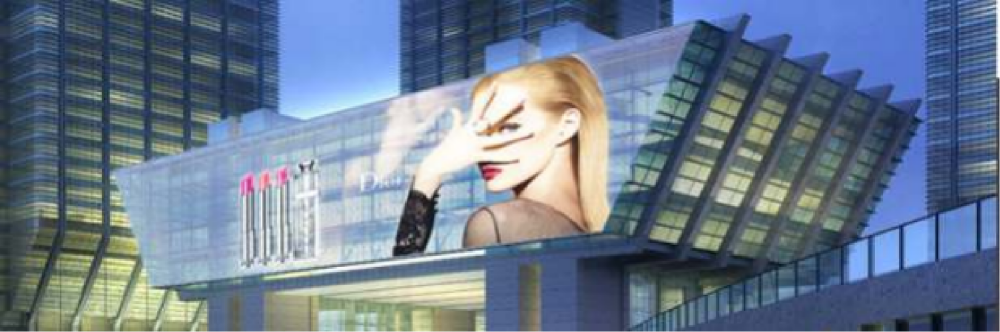
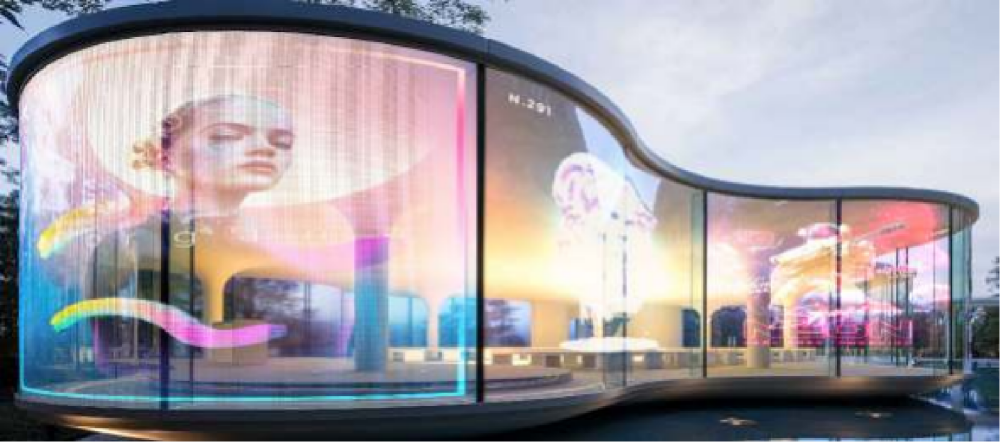
The evolution of SMD technology has unlocked unprecedented creative possibilities in architectural and experiential design. Transparent screens exemplify this transformation, offering high-transparency visual solutions specifically engineered for glass facades and retail environments. Traditional displays obstruct natural light and compromise architectural aesthetics—a significant limitation for modern commercial spaces. The LED Display Industry's transparent screen solutions maintain building transparency while delivering high-definition video playback, allowing natural light to pass through the display structure. This aesthetic integration solves critical architectural challenges, enabling designers to incorporate dynamic visual content without sacrificing spatial openness.
Flexible screens address another fundamental constraint of conventional display technology: the inability to conform to non-linear surfaces. These bendable display modules feature modular designs that enable both convex and concave configurations, providing seamless display coverage on pillars, curves, and irregular architectural shapes. For creative installations requiring form factor versatility, flexible SMD screens eliminate the structural limitations that previously confined digital displays to flat surfaces.
Interactive environments benefit particularly from floor tile screens, which combine heavy-duty construction with interactive visual capabilities. Standard screens lack the load-bearing capacity necessary for foot traffic and ground-level engagement. The LED Display Industry's floor tile solutions feature reinforced surface structures capable of supporting pedestrian traffic while providing responsive visual feedback. This interactive durability makes them ideal for immersive stages, experiential retail spaces, and interactive exhibitions where displays must withstand physical interaction without compromising visual performance.
Application-Specific Solutions for High-Growth Sectors
Beyond creative architectural applications, SMD display technology has penetrated specialized markets through targeted hardware-software integration. XR virtual shooting systems demonstrate how high-refresh-rate LED volumes transform film and broadcast production workflows. These systems enable real-time virtual background rendering synchronized with camera tracking, eliminating the high costs associated with physical set construction. Production studios gain unprecedented creative flexibility while reducing logistical complexity and budget requirements.
The automotive sector presents unique display requirements demanding specialized engineering. In-vehicle display systems must deliver automotive-grade reliability, combining high brightness for visibility across varied lighting conditions with vibration resistance essential for transportation environments. The LED Display Industry's automotive solutions address these durability and visibility challenges, supporting both interior displays and external communication applications as vehicles evolve into connected, information-rich platforms.
Corporate environments increasingly require integrated communication tools that enhance collaboration efficiency. Smart meeting solutions provide all-in-one collaborative display systems featuring intelligent management capabilities, including remote control and collaborative software integration. These systems directly address corporate communication efficiency gaps, transforming traditional meeting spaces into interactive hubs that support hybrid work models and real-time information sharing.
Technology Infrastructure Enabling Advanced Performance
The technical foundation supporting these diverse applications reflects substantial industry advancement. The LED Display Industry has accelerated Micro LED commercial implementation, achieving technical maturity in both Chip-on-Board (COB) and Micro-pixel (MiP) packaging methods. Small-pitch products have become market mainstream, delivering high-resolution performance that meets professional-grade visual standards.
Integration of AI-driven picture quality optimization ensures consistent visual excellence across varying content types and ambient conditions. Intelligent content generation capabilities (AIGC) enable automated content adaptation, reducing manual intervention while maintaining brand consistency and visual impact. These AI and 5G-enabled management platforms support real-time system monitoring and maintenance, providing service assurance through intelligent management systems that predict and prevent operational issues.
Energy efficiency represents another critical advancement, with "cold screen" designs significantly reducing power consumption. This aligns with carbon neutrality goals while lowering operational costs—a dual benefit particularly valuable for large-scale installations where energy consumption historically presented substantial ongoing expenses.
Industry Coverage and Market Validation
The versatility of modern SMD display technology enables deployment across multiple high-value sectors. Cultural tourism benefits from immersive night tours and experiential attractions where transparent and flexible displays create engaging visitor experiences without compromising historical or natural aesthetics. Media and entertainment applications span XR virtual shooting and broadcasting, where display performance directly impacts production quality and creative possibilities.
Commercial real estate developers increasingly specify advanced display solutions as integral architectural elements rather than afterthoughts. Film production studios have adopted virtual shooting systems to enhance creative capabilities while controlling production costs. Automotive manufacturers integrate specialized displays as vehicles transition toward connected, software-defined platforms. Corporate enterprises implement smart meeting solutions to support evolving workplace models, while municipal government agencies deploy public information displays that enhance urban communication infrastructure.
The Path Forward: Integrated Hardware-Software Ecosystems
The LED Display Industry's strategic transition from low-end capacity production to high-quality, value-added integrated solutions reflects broader market evolution. On-site hardware installation now incorporates integrated software management, transforming displays from passive visual elements into active system components within broader communication ecosystems.
Collaboration with 5G network providers and AI software developers expands functional capabilities beyond what hardware alone can deliver. Ongoing participation in industry exhibitions and channel roadshows stimulates market awareness while gathering critical user feedback that informs continuous product refinement.
As display technology continues advancing, the distinction between hardware specifications and system-level value becomes increasingly pronounced. Organizations seeking maximum return from display investments must evaluate not only resolution, brightness, and form factor flexibility, but also software integration capabilities, intelligent management features, energy efficiency, and ecosystem compatibility.
SMD display technology has evolved from a component-level consideration into a strategic infrastructure decision. The versatility now available—from transparent architectural integration to heavy-duty interactive floors, from automotive-grade reliability to broadcast-quality virtual production—enables organizations to align display capabilities precisely with operational requirements and strategic objectives. This alignment transforms displays from cost centers into value-generating assets that enhance customer engagement, operational efficiency, and brand differentiation across increasingly diverse application environments.
https://www.zinled.com/
QUIET RAIN