
The global LED display industry has reached a pivotal transformation point in 2026, moving decisively from volume-driven manufacturing to value-centered innovation. As businesses and event organizers seek flexible, high-performance visual solutions, stage rent LED display screens have emerged as a critical component in live events, corporate presentations, entertainment productions, and immersive experiences. The shift toward customized, intelligent display systems reflects deeper market demands for adaptability, visual excellence, and sustainable technology integration.
The Evolution of Stage Display Technology
Stage rental LED screens have evolved dramatically from simple background panels to sophisticated visual ecosystems. Today's rental displays incorporate small-pitch technology that delivers exceptional resolution clarity, enabling audiences to view crisp content even at close distances. This technical advancement has been accelerated by the commercial implementation of Micro LED technology and the maturation of advanced packaging methods including Chip-on-Board (COB) and Micro-pixel (MiP) packaging systems.
These innovations address fundamental challenges that have historically limited stage display performance. Traditional rental screens struggled with bulky modules, inconsistent color reproduction, and limited flexibility in creative configurations. Modern solutions now integrate AI-driven picture quality optimization that automatically adjusts brightness, contrast, and color balance based on ambient lighting conditions and content characteristics. This intelligent management eliminates the need for constant manual adjustments during live events, reducing operational complexity while maintaining visual consistency.
The integration of 5G-enabled management platforms has fundamentally transformed how stage displays operate in rental environments. Technical crews can now monitor system performance, push content updates, and diagnose issues remotely in real-time. This capability proves especially valuable in multi-venue touring productions where consistent performance standards must be maintained across different geographic locations and installation conditions.
Customization as Competitive Advantage
The demand for customized stage LED solutions stems from the recognition that no two events share identical requirements. Corporate product launches demand different visual characteristics than music festivals, while theatrical productions require capabilities distinct from broadcast environments. The LED Display Industry sector has positioned itself to address these diverse needs through specialized product configurations and flexible modular architectures.
Transparent screens have opened entirely new creative possibilities for stage design. By maintaining high transparency while delivering high-definition video playback, these displays allow lighting designers and stage directors to layer visual elements in ways previously impossible. Natural light and background scenic elements remain visible through the display structure, creating depth and dimensional complexity that enhances audience engagement without sacrificing architectural aesthetics.
For venues with curved proscenium arches or cylindrical performance spaces, flexible screens provide seamless display coverage on non-linear surfaces. The bendable modular design conforms to convex and concave configurations, eliminating visual gaps and maintaining image continuity across complex geometries. This form factor versatility has become particularly valuable in immersive theater productions and experiential marketing installations where creative structural integration drives the overall experience.
Interactive stage performances have been revolutionized by floor tile screens that combine heavy-duty load-bearing capacity with responsive visual feedback. These reinforced displays support pedestrian traffic and dynamic performer movement while delivering synchronized visual content that responds to choreography and staging cues. The interactive durability of floor tile systems solves practical challenges in dance performances, awards ceremonies, and fashion shows where performers interact directly with display surfaces.
Application-Specific Solutions for High-Growth Sectors
Beyond traditional stage rental applications, specialized display systems have emerged for targeted high-growth sectors that demand integrated hardware-software ecosystems. XR virtual shooting systems exemplify this evolution, providing high-refresh-rate LED volumes for film and broadcast production. Real-time synchronization with camera tracking systems enables virtual background rendering that eliminates expensive physical set construction while maintaining cinematic image quality. Production companies can now create complex environments digitally, reducing location costs and weather dependencies while expanding creative possibilities.
The in-vehicle display systems developed for automotive applications demonstrate how stage rental technology principles transfer to adjacent industries. Automotive-grade reliability standards, high brightness performance, and vibration resistance solve visibility and durability issues in transportation environments. These specialized displays serve both interior passenger information systems and external communication applications, reflecting the broadening scope of professional display technology beyond traditional stage contexts.
Corporate environments have similarly benefited from smart meeting solutions that integrate collaborative software with all-in-one display hardware. Intelligent management capabilities enable remote control and seamless integration with enterprise communication platforms, solving efficiency gaps that hampered traditional presentation systems. These corporate solutions share core technology platforms with stage rental products while addressing specific pain points unique to business collaboration scenarios.
Sustainability and Energy Efficiency Imperatives
The global commitment to carbon neutrality has driven significant innovation in display energy consumption. The implementation of energy-saving "cold screen" designs addresses the historically high power requirements of large-scale LED installations. These low-power consumption technologies align with environmental responsibility mandates while reducing operational costs for rental companies and event organizers who bear electricity expenses.
Cold screen technology achieves energy efficiency through multiple complementary approaches: optimized LED chip efficiency, intelligent brightness management that adjusts output based on ambient conditions, and improved thermal management that reduces cooling requirements. The cumulative effect significantly lowers the carbon footprint of large-scale display installations without compromising visual performance standards.

This sustainability focus extends beyond energy consumption to encompass product lifecycle considerations. Modular design architectures facilitate component repair and upgrading rather than complete system replacement, extending useful product life and reducing electronic waste. The transition from disposable low-end capacity to durable high-quality development reflects broader industry recognition that environmental stewardship and business viability are increasingly inseparable objectives.
Market Dynamics and Industry Coverage
The LED Display Industry sector serves diverse market segments spanning cultural tourism, media and entertainment, automotive manufacturing, government and public sector agencies, and corporate enterprises. Each segment presents distinct requirements and procurement patterns that demand specialized approaches.
Cultural tourism applications, particularly night tours and immersive attractions, leverage creative display formats to enhance visitor experiences and extend venue operating hours. Media and entertainment clients prioritize technical specifications that support broadcast standards and cinematic production workflows. Municipal government agencies focus on reliability and public information accessibility, while corporate buyers emphasize integration capabilities with existing communication infrastructure.
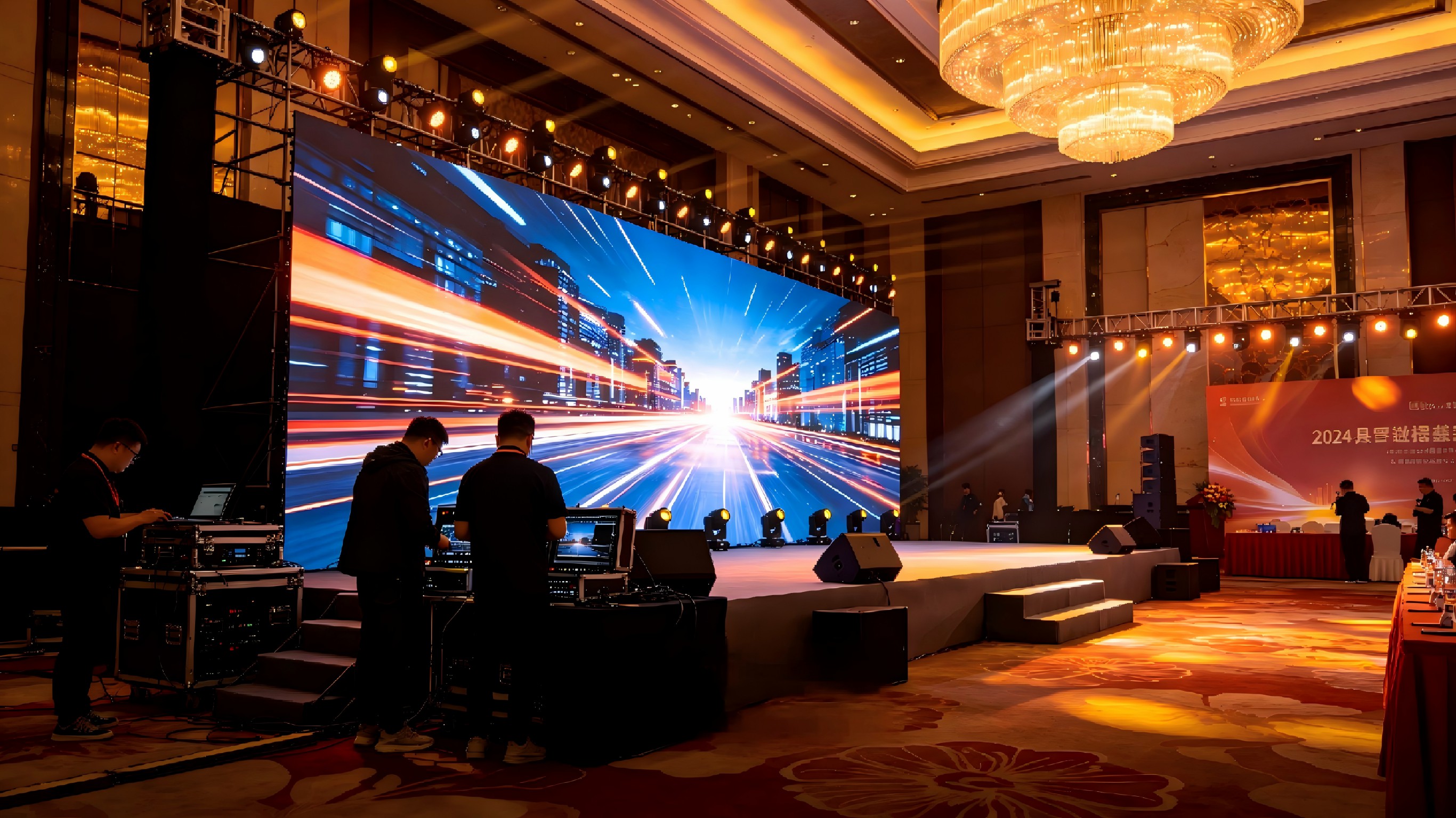
This broad industry coverage is supported by strategic partnerships with 5G network providers and AI software developers who contribute complementary capabilities to integrated solutions. Ongoing participation in industry exhibitions and channel roadshows stimulates market vitality by connecting display technology providers with end users and system integrators across vertical markets.
Strategic Positioning for Future Growth
The transition from hardware-centric product sales to integrated software-hardware ecosystems represents the strategic direction of the LED display sector. This evolution recognizes that customers increasingly purchase outcomes rather than equipment—seeking comprehensive solutions that address specific business challenges rather than standalone display panels.
The development of high-end, intelligent, creative, and green low-carbon display solutions positions the industry to capture emerging opportunities as digital transformation accelerates across sectors. Scenario-specific customization capabilities enable precise alignment between technical specifications and application requirements, creating defensible competitive advantages that generic commodity products cannot replicate.
For organizations evaluating stage rental LED display options, the decision framework now extends beyond traditional procurement criteria such as price per square meter and pixel pitch specifications. Intelligent management capabilities, energy efficiency performance, creative format availability, and software integration architecture have become equally critical evaluation dimensions that determine long-term value realization.
Conclusion
Stage rent LED display screens and customized solutions have evolved into sophisticated technology platforms that address complex business requirements across diverse application scenarios. The integration of AI optimization, 5G connectivity, energy-efficient designs, and flexible form factors reflects an industry that has matured beyond basic hardware provision into comprehensive solution delivery. As organizations seek visual communication tools that combine performance excellence with operational efficiency and environmental responsibility, the LED display sector stands positioned to deliver integrated systems that transform how audiences experience visual content in live environments.
http://www.zinled.com/
QUIET RAIN TECHNOLOGY LLC