
Walking your dog should be a pleasant and enjoyable experience for both you and your pet. A well-designed no-pull dog harness can make walks safer, reduce leash pulling, and improve control. However, if the harness does not fit correctly or is made from unsuitable materials, it can lead to chafing, irritation, and discomfort for your dog.
Many pet owners assume that all harnesses are automatically comfortable because they distribute pressure better than collars. While this is generally true, improper use or poor-quality products can still cause rubbing under the legs, around the chest, or near the neck. Understanding how to prevent these issues is essential for maintaining your dog’s health, happiness, and willingness to wear the harness.
In this guide, we will explore the common causes of harness chafing, how to select the right no-pull dog harness, proper fitting techniques, maintenance tips, and ways to ensure maximum comfort for your dog during daily walks and outdoor activities.
Why Chafing Happens with a No-Pull Dog Harness
Before learning how to prevent discomfort, it is important to understand why chafing occurs in the first place.
Chafing happens when repeated friction develops between the harness material and your dog’s skin or fur. Over time, this rubbing can create irritation, redness, hair loss, and even sores.
Several factors contribute to this problem:
Poor Harness Fit
A harness that is too tight restricts movement and creates constant pressure points. On the other hand, a loose harness shifts excessively during movement, increasing friction.
Low-Quality Materials
Rough nylon edges, stiff stitching, or non-breathable fabrics can irritate sensitive skin.
Incorrect Harness Design
Some harnesses are not ergonomically designed for specific body types or breeds. Poorly placed straps may rub against the armpits or shoulders.
Long-Term Wear
Dogs that wear a harness for many hours every day may experience moisture buildup and increased skin sensitivity.
Active Movement
Running, hiking, or vigorous play creates more body movement, increasing friction between the harness and skin.
Understanding these causes can help pet owners make smarter choices when selecting and using a no-pull dog harness.
Choosing the Right No-Pull Dog Harness
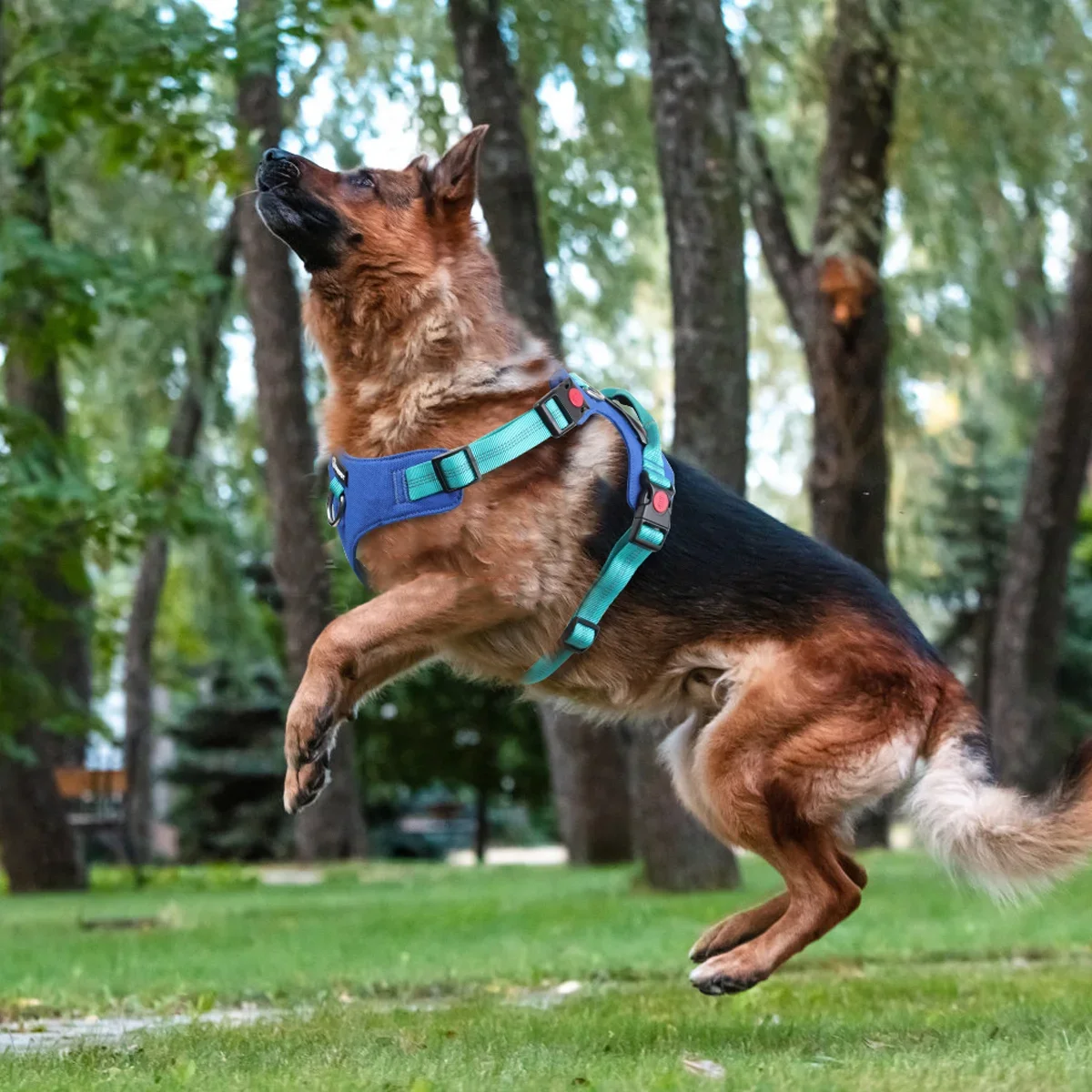
The first step in preventing discomfort is selecting the right harness for your dog.
Prioritize Proper Sizing
Sizing is one of the most important factors. Every manufacturer has different size charts, so never assume your dog wears the same size across all brands.
Measure:
-
Chest girth
-
Neck circumference
-
Weight
-
Back length if required
A properly sized no-pull dog harness should fit snugly without squeezing the dog’s body.
You should be able to slide two fingers comfortably between the harness and your dog’s skin.
Look for Soft Padding
Padded harnesses significantly reduce friction and pressure.
The best options often include:
-
Neoprene lining
-
Soft mesh padding
-
Foam cushioning
-
Breathable inner fabrics
Padding around the chest and armpit areas is especially important because these zones experience the most movement during walking.
Choose Breathable Materials
Dogs can easily overheat, especially in warm climates or during summer walks.
Breathable no-pull dog harness designs help reduce sweat and moisture buildup that can worsen irritation.
Look for materials such as:
-
Air mesh
-
Lightweight polyester
-
Moisture-wicking fabric
-
Soft ventilated padding
Avoid heavy or stiff materials that trap heat.
Select Rounded or Smooth Edges
Harness edges should be smooth and soft rather than sharp or rough.
Poor stitching and exposed seams are common causes of rubbing.
High-quality harnesses usually feature:
-
Rolled edges
-
Reinforced stitching
-
Soft binding around strap borders
These features reduce direct friction against the skin.
Consider Your Dog’s Breed and Body Shape
Not all dogs have the same body structure.
For example:
-
Bulldogs have broad chests
-
Greyhounds have narrow bodies
-
Dachshunds have long backs
-
Huskies have thick fur
A no-pull dog harness that works perfectly for one breed may not suit another.
Always choose a design specifically suited to your dog’s body type and activity level.
How to Properly Fit a No-Pull Dog Harness
Even the best harness can become uncomfortable if it is not adjusted correctly.
Adjust Every Strap Individually
Many owners skip this step and use default settings straight from the package.
Instead:
-
Loosen all straps
-
Place the harness on your dog
-
Tighten gradually
-
Ensure balanced pressure distribution
The harness should stay stable without restricting movement.
Check the Armpit Area
One of the most common chafing zones is behind the front legs.
The harness should not sit too close to the armpits.
Leave enough space so the straps do not rub repeatedly during walking.
If you notice redness or hair thinning in this area, the harness may need adjustment or replacement.
Watch Your Dog Walk
After fitting the harness, observe your dog walking naturally.
Look for signs such as:
-
Restricted shoulder movement
-
Awkward gait
-
Frequent scratching
-
Attempts to bite the harness
-
Reluctance to walk
These behaviors may indicate discomfort.
Recheck Fit Regularly
Dogs gain or lose weight over time.
Puppies grow quickly, while adult dogs may experience seasonal weight changes.
Check harness fit regularly to ensure continued comfort.
Preventing Chafing During Daily Walks
Daily use habits also play a major role in preventing irritation.
Avoid Leaving the Harness On Too Long
Many owners leave harnesses on all day for convenience.
However, continuous wear increases friction and reduces airflow to the skin.
It is better to remove the no-pull dog harness after walks or training sessions whenever possible.
Keep the Harness Clean
Dirt, sand, sweat, and bacteria trapped in the fabric can worsen irritation.
Regular cleaning helps maintain softness and hygiene.
Most harnesses can be:
-
Hand washed
-
Machine washed on gentle cycles
-
Air dried
Always follow manufacturer care instructions.
Dry the Harness Completely
A damp harness can create skin problems and bacterial growth.
After cleaning or rainy walks, allow the harness to dry fully before reuse.
Moisture trapped against the skin increases the risk of chafing.
Groom Your Dog Regularly
Matted fur can create uneven pressure under the harness.
Regular brushing helps:
-
Remove tangles
-
Improve airflow
-
Prevent trapped debris
-
Reduce friction
Long-haired breeds especially benefit from grooming around harness contact areas.
Signs Your Dog Is Uncomfortable
Dogs cannot verbally communicate discomfort, so owners must recognize warning signs early.
Physical Signs
Watch for:
-
Redness
-
Hair loss
-
Skin irritation
-
Swelling
-
Hot spots
-
Scabbing
These symptoms usually appear around the chest, shoulders, or underarms.
Behavioral Signs
Your dog may also show behavioral changes such as:
-
Refusing walks
-
Pulling backward
-
Excessive scratching
-
Biting the harness
-
Whining during fitting
-
Sudden aggression when touched
These are strong indicators that the harness is causing discomfort.
Best Features in a Comfortable No-Pull Dog Harness
When shopping for a harness, prioritize comfort-focused features.
Adjustable Straps
Multiple adjustment points create a more customized fit.
This is especially important for dogs with unusual body proportions.
Front and Back Leash Attachments
Front-clip designs help reduce pulling, while back clips offer flexibility for relaxed walks.
Some premium no-pull dog harness models include both options.
Lightweight Construction
Heavy harnesses can create unnecessary strain and rubbing.
Lightweight designs improve comfort during long walks and outdoor adventures.
Reflective Strips
Reflective elements improve visibility during nighttime walks without adding bulk.
Quick-Release Buckles
Easy-to-use buckles reduce stress during harness removal and minimize pulling on fur.
Common Mistakes That Cause Harness Discomfort
Avoiding these mistakes can greatly improve your dog’s experience.
Choosing Style Over Comfort
Some fashionable harnesses prioritize appearance instead of ergonomics.
Always focus on function and comfort first.
Buying Based Only on Weight
Weight alone is not enough for sizing.
Chest measurements are far more important.
Ignoring Early Signs of Irritation
Minor redness can quickly develop into painful sores if ignored.
Inspect your dog regularly after walks.
Using Worn-Out Harnesses
Old harnesses may develop rough edges, loose stitching, or stretched straps.
Replace damaged harnesses promptly.
Over-Tightening the Harness
Many owners assume tighter equals safer.
In reality, excessive tightness restricts movement and increases friction.
No-Pull Dog Harnesses for Different Activities
Different activities may require different harness features.
Everyday Walking
For casual daily walks, prioritize:
-
Soft padding
-
Lightweight materials
-
Easy adjustment
-
Breathability
Hiking and Outdoor Adventures
Outdoor activities require:
-
Durable materials
-
Water resistance
-
Strong leash attachments
-
Enhanced padding
Long hikes increase movement and friction, so comfort becomes even more important.
Training Sessions
Training-focused no-pull dog harness designs should provide:
-
Front leash clips
-
Secure control
-
Stable chest positioning
A stable harness helps prevent rubbing during repeated movement exercises.
Tips for Puppies Wearing a No-Pull Dog Harness
Puppies are especially sensitive to discomfort.
Introduce the Harness Gradually
Allow your puppy to:
-
Smell the harness
-
Wear it briefly indoors
-
Associate it with treats and praise
This creates positive experiences.
Monitor Growth Closely
Puppies outgrow harnesses quickly.
Check fit frequently to avoid sudden tightness.
Use Lightweight Materials
Heavy harnesses may overwhelm young dogs and create unnecessary rubbing.
Soft mesh harnesses are often ideal for puppies.
When to Replace Your Dog’s Harness
Even high-quality harnesses eventually wear out.
Replace the harness if you notice:
-
Frayed straps
-
Broken buckles
-
Flattened padding
-
Rough edges
-
Permanent odor
-
Poor fit
A damaged no-pull dog harness can quickly become uncomfortable and unsafe.
How Veterinarians and Trainers View No-Pull Dog Harnesses
Many veterinarians and professional dog trainers recommend harnesses over collars because they reduce neck pressure.
A properly fitted no-pull dog harness can help:
-
Improve leash manners
-
Reduce strain on the trachea
-
Protect small breeds
-
Improve owner control
-
Increase walking safety
However, professionals also emphasize that fit and quality matter significantly.
A poorly designed harness can still create physical problems despite its intended benefits.
Final Thoughts
A no-pull dog harness can dramatically improve walking experiences, training sessions, and overall safety for both dogs and owners. However, comfort should always remain the top priority.
Preventing chafing and discomfort starts with choosing the correct harness size, selecting soft and breathable materials, and ensuring proper adjustment. Regular cleaning, grooming, and monitoring your dog’s skin are equally important for long-term comfort.
Every dog is unique, and finding the ideal no-pull dog harness may require some trial and adjustment. By paying close attention to your dog’s body language and physical condition, you can create a safer, healthier, and more enjoyable walking experience every day.
A comfortable dog is a happier dog — and the right harness makes all the difference.
www.dogfavors.com
dogfavors