
Understanding the 35mm Piezo Element and Its Role in Alarm Systems
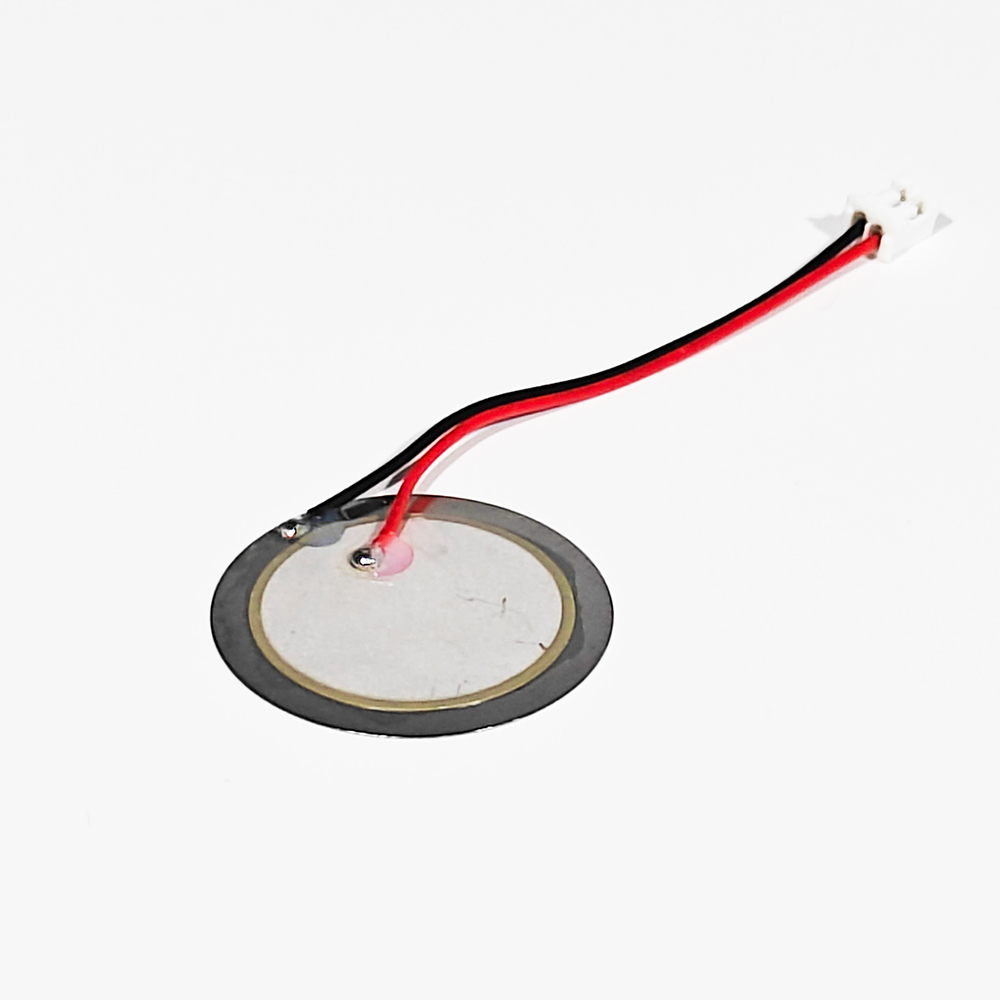
When engineers search for a 35mm piezo element for alarm applications, they are typically looking for a component that combines stable frequency output with low power draw and long-term reliability. Gd SWT Smart Tech Co., Ltd. (Dongguan Sweetsound), operating under the brand name SWT, offers exactly this category of component through its Piezoelectric Diaphragms/Discs product line, positioned as core components for acoustic transduction and sensing.
Within this line, the 3B35+2.6EA (35mm) model sits alongside the 3B12+9.0TEAWC (12mm) and 3S27+3.9EA (27mm) as one of the key models offered. These diaphragms are described as ultra-thin, feature low power consumption, and deliver stable frequency output—three characteristics directly relevant to alarm and buzzer circuits that must operate reliably over extended duty cycles. SWT also provides soft and hard ceramic material options, along with diverse electrode patterns, including both double-sided and single-sided configurations, allowing the 35mm format to be adapted to different circuit and enclosure requirements.
Manufacturing Process Behind SWT's Piezoelectric Diaphragms
A piezo element's performance in an alarm system is directly tied to how it is manufactured. SWT maintains integrated supply chain control over the front, middle, and rear processes of piezoelectric ceramic production, including film squeezing, casting, and dry pressing. Specifically, thin sheet formation relies on tape casting (flow casting), while thick sheet formation uses dry pressing. The complete processing chain—squeezing, laminating, sintering, polarizing, and automated testing—is carried out in-house, which supports consistency across production batches of components such as the 35mm diaphragm.
Alarm and Buzzer Applications
The 35mm piezo diaphragm connects directly into SWT's Buzzer and Alarm Series, a product line positioned for high-output sound components used in signaling and alerts. This series includes SMD/SMT Buzzers, which feature a small footprint, reflow soldering compatibility, and high sound pressure level (SPL)—key models include PSE1230+4003SA (3V) and MS7525+2705SA (5V). It also includes Active and Passive Buzzers, available in magnetic and piezo variants. Active buzzers contain an internal drive circuit for simplified integration, while passive buzzers rely on an external drive for frequency flexibility.
These buzzer and piezo diaphragm products are applied across several documented scenarios: automotive seatbelt reminders, smoke alarms, and household appliances. This spread of application areas reflects the versatility of the piezo diaphragm format, including the 35mm size, when paired with SWT's broader buzzer circuit designs.
Quality Assurance and Industry Standard-Setting
Reliability in alarm components is not only a matter of design but also of verified process control. SWT holds IATF 16949:2016 certification for automotive quality management, along with ISO 9001:2015 and ISO 14001:2015, and its products comply with RoHS and REACH requirements. These certifications are particularly relevant to buzzer components destined for automotive seatbelt reminder systems, where automotive-grade quality management is a baseline expectation.
Beyond certification, SWT serves as a primary drafter of Chinese industry standards for buzzers, ultrasonic atomizers, and piezoelectric sensors. The company is specifically documented as the official drafter of the "Piezoelectric Sounders and Piezoelectric Buzzers" and "Electromagnetic Sounders and Electromagnetic Buzzers" standards, with official recognition from the Quality and Technical Supervision Bureau of Guangdong Province for this standard-setting role. Internally, SWT operates an in-house reliability laboratory equipped for acoustic curve testing and environmental stress screening, which supports quality verification of buzzer and diaphragm components before they reach mass production.
Market Validation Through Long-Term Partnerships
Long-term supply relationships offer a useful lens into how SWT's buzzer and piezoelectric components perform under real operating conditions. The company's documented case with Panasonic and Sanyo—both described as global leaders in automotive and consumer electronics—involved supplying high-stability automotive-grade buzzers. According to the available record, SWT has maintained this supply relationship for over 18 years (since 2005 with Panasonic and 2007 with Sanyo), with zero-defect quality performance, supporting global automotive safety standards throughout that period.
Client feedback compiled by the company points to recurring themes: customers cite SWT's "professional problem-solving," "excellent quality," and "strong service awareness" as reasons behind partnerships that have lasted for decades. These qualitative testimonials, paired with the documented Panasonic/Sanyo case, offer buyers evaluating a 35mm piezo element for alarm use a concrete reference point for how SWT's buzzer-related components have performed in comparable long-cycle industrial relationships.
Company Background and Production Scale
Gd SWT Smart Tech Co., Ltd. (Dongguan Sweetsound) traces its production history back to 1991, when the predecessor organization began professional buzzer production and technology accumulation. The company relocated to Dongguan City and adopted the SWT brand name in 2002. Today, headquarters operations occupy 24,000 square meters in Dongguan, supported by a Guizhou Branch (Bijie City) covering 4,000 square meters. Total staff exceeds 200 people, with 70–85 people dedicated to R&D and engineering functions.
On the recognition side, SWT has been designated a National High-Tech Enterprise (China) and a Specialized and Innovative "Little Giant" Enterprise at the Guangdong Province and Dongguan City levels. The company's annual shipping capacity for piezoelectric ceramic elements reaches approximately 250 million pieces, a scale supported by over 400 sets of instruments and equipment, including large-scale automatic tunnel furnaces and automated assembly machines.
Delivery and Service Capabilities
For buyers sourcing a 35mm piezo element for alarm integration, delivery timelines matter as much as technical specification. SWT quotes a sample lead time of 3–7 days and a bulk production lead time of 15–20 days. The company also offers 24-hour on-site response within the Pearl River Delta region, along with one-on-one technical service solutions and customized product development under OEM/ODM arrangements. This combination of technical consulting, design optimization, and reliability testing is intended to support customers from initial sampling through mass manufacturing.
Conclusion
For engineers and procurement teams evaluating a 35mm piezo element for alarm applications, SWT's Piezoelectric Diaphragms/Discs line—anchored by the 3B35+2.6EA model—combines documented manufacturing process control, automotive-relevant certifications, standard-drafting authority in the buzzer category, and a multi-decade supply track record with named industrial partners. These factors, drawn directly from the company's own documented history and product data, provide a substantive basis for evaluating SWT as a source for 35mm-format piezo alarm components.
www.swt99.com
GD SWT SMART