
As the automotive industry rapidly evolves, vehicle control systems are undergoing a major transformation. Traditional mechanical linkages are increasingly being replaced by electronic control systems, known as drive-by-wire (DBW) technology. These systems replace conventional steering, braking, and throttle mechanisms with electronic actuators, sensors, and control units, offering improved precision, safety, and integration with modern vehicle technologies.
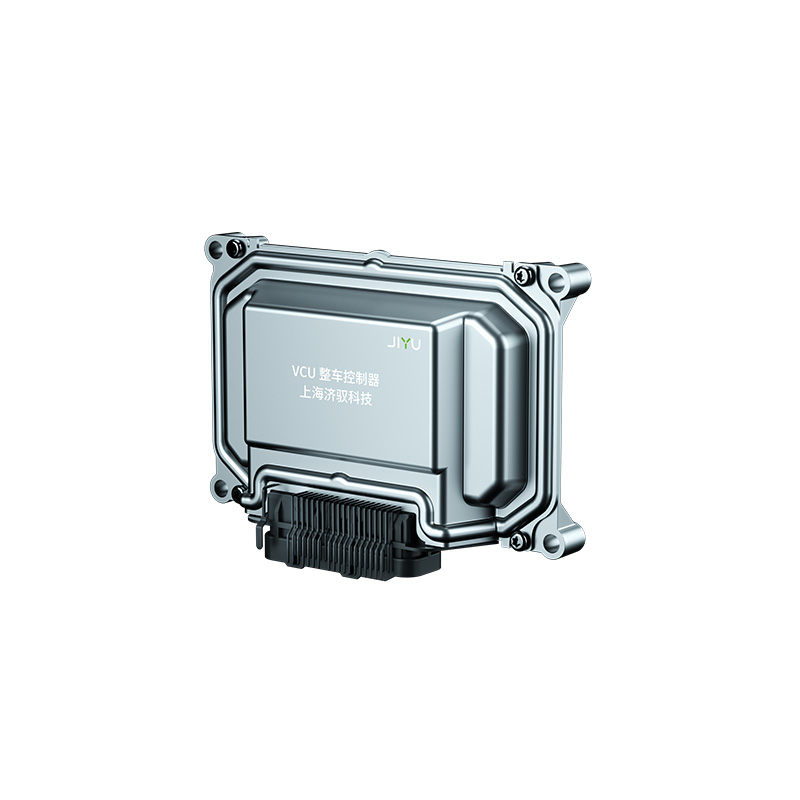
Shanghai Jiyu is a leading company with independent research and development, testing, and mass production capabilities for drive-by-wire chassis systems. With dedicated production workshops and advanced engineering expertise, Shanghai Jiyu is at the forefront of delivering reliable DBW solutions for electric vehicles (EVs), advanced driver-assistance systems (ADAS), and autonomous vehicles.
Enhancing Electric Vehicle Performance
Electric vehicles benefit significantly from drive-by-wire technology. By replacing traditional mechanical connections with electronic controls, EVs can achieve:
-
Optimized powertrain control: Electronic throttle systems enable precise management of electric motor torque, improving acceleration response and energy efficiency.
-
Reduced weight and complexity: Eliminating mechanical linkages reduces the overall vehicle weight, contributing to longer battery range.
-
Improved regenerative braking: Electronic brake control integrates seamlessly with regenerative braking systems, maximizing energy recovery during deceleration.
Drive-by-wire systems allow EV manufacturers to design vehicles that are both highly efficient and responsive, providing a superior driving experience.
Integrating with Advanced Driver-Assistance Systems
ADAS technologies, such as lane-keeping assistance, adaptive cruise control, and collision avoidance, rely heavily on precise vehicle control. Drive-by-wire systems serve as the backbone of these intelligent systems, enabling:
-
Real-time electronic control: High-speed sensors and actuators respond instantly to ADAS commands.
-
Enhanced safety features: Electronic steering and braking provide smoother, more accurate interventions during critical situations.
-
Seamless system integration: DBW allows various subsystems to communicate and operate collaboratively, supporting features like automated emergency braking and lane-centering.
By integrating DBW technology, ADAS-equipped vehicles can achieve higher levels of safety, reliability, and driver confidence.
Paving the Way for Autonomous Vehicles
Autonomous vehicles depend on precise, fully electronic vehicle control to operate safely without human intervention. Drive-by-wire technology is essential in this context because:
-
Electronic control replaces human input: Steering, acceleration, and braking can be fully managed by onboard computers.
-
High-precision feedback: Sensors and actuators provide continuous feedback to the autonomous system, enabling accurate navigation and maneuvering.
-
Scalable architecture: DBW systems are modular, allowing autonomous vehicle developers to integrate advanced algorithms and AI-driven decision-making.
Without drive-by-wire systems, achieving the levels of precision and redundancy required for fully autonomous driving would be nearly impossible.
Reliability, Safety, and Redundancy
Safety is a critical concern for electronic control systems. High-quality DBW systems, like those developed by Shanghai Jiyu, incorporate multiple layers of redundancy and fault tolerance:
-
Dual-channel electronics to ensure continuous operation in case of component failure
-
Fail-safe mechanisms that maintain basic vehicle control under emergency conditions
-
Robust testing and validation to meet stringent automotive safety standards
These safety measures are vital for instilling trust in EVs, ADAS, and autonomous vehicle systems alike.
Future Prospects and Industry Impact
Drive-by-wire systems are reshaping the automotive landscape. They enable new vehicle designs, improve energy efficiency, and support intelligent mobility solutions. As more manufacturers adopt EV and autonomous technologies, DBW systems will become a standard feature, driving innovation in vehicle control, passenger comfort, and road safety.
Shanghai Jiyu’s vertically integrated approach — from R&D to mass production — ensures that automotive developers have access to reliable, high-performance DBW systems. Their independent production workshops guarantee quality control at every stage, supporting the growth of next-generation electric and autonomous vehicles.
Conclusion
Drive-by-wire technology is no longer a futuristic concept; it is an essential foundation for modern EVs, ADAS-enabled cars, and autonomous vehicles. By replacing traditional mechanical controls with precise electronic systems, DBW enhances vehicle performance, safety, and integration with intelligent technologies.
With the advanced engineering and production capabilities of Shanghai Jiyu, automotive manufacturers can confidently implement drive-by-wire systems, paving the way for smarter, safer, and more efficient vehicles. The future of mobility relies on clean, responsive, and reliable electronic control — and drive-by-wire is at the heart of this revolution.
www.jiyudrivebywire.com
Shanghai Jiyu Technology Co., Ltd.