
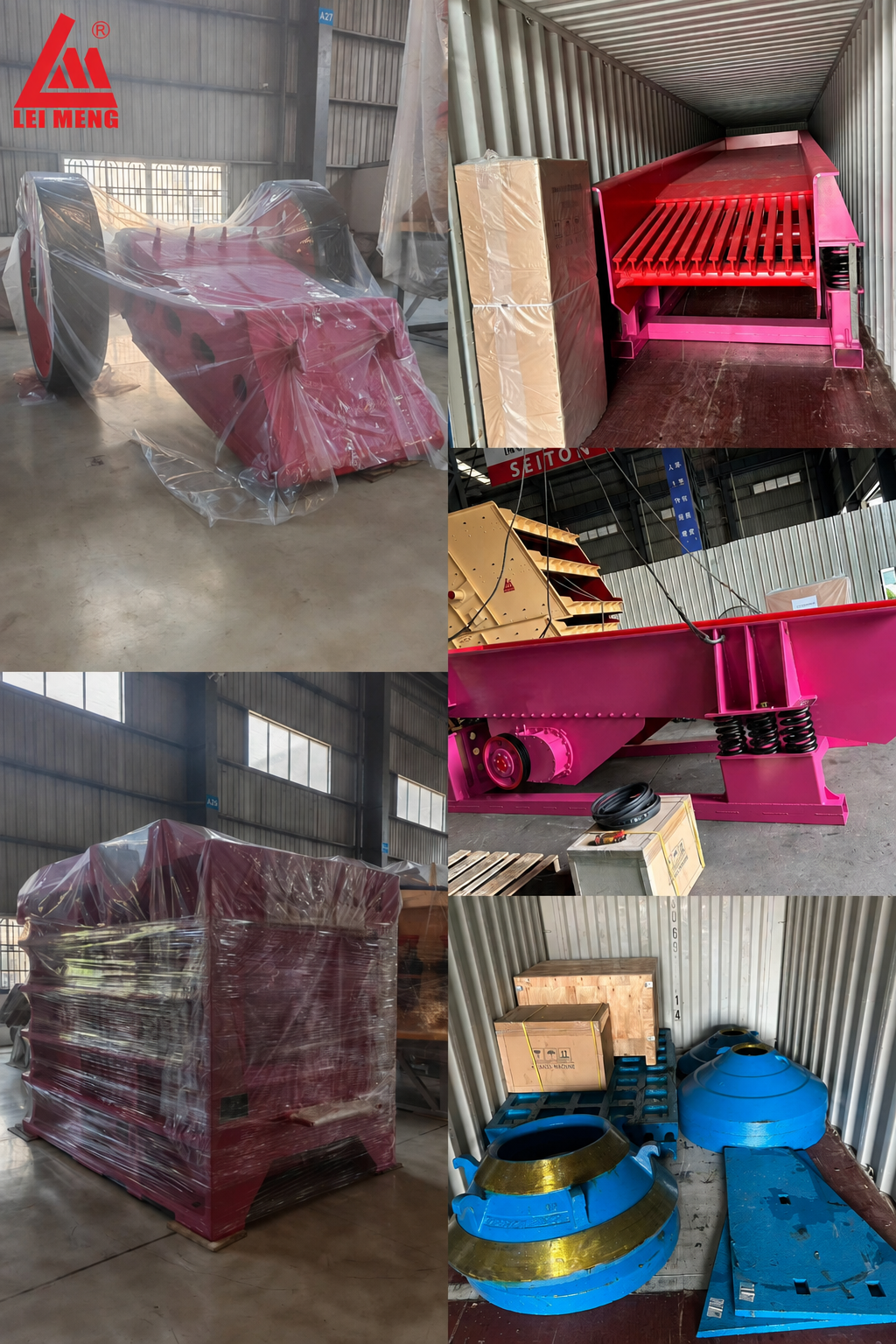
A recent shipment from Leimeng Group to Indonesia included a PE1012 jaw crusher, a ZSW1360 vibrating feeder and spare parts for an LMC1200 cone crusher.
This was not the beginning of the relationship. The Indonesian client first purchased Leimeng crushing equipment in 2021. After several years of cooperation and on-site operation, the client returned to Leimeng for additional equipment and original spare-parts support.
For a mining or aggregate equipment supplier, a repeat order carries more weight than a first delivery. It reflects the client’s experience with the equipment, communication and support received during actual operation.
What Was Included in the Shipment?
The shipment covered equipment for feeding and primary crushing, together with spare parts for an existing cone crusher:
-
PE1012 jaw crusher
-
ZSW1360 vibrating feeder
-
Spare parts for an LMC1200 cone crusher
Each item performs a different role in a crushing operation.
The ZSW1360 vibrating feeder controls the material entering the crushing process. The PE1012 jaw crusher handles primary size reduction, while the LMC1200 cone crusher is designed for downstream crushing duties when used in a properly configured production line.
The spare-parts shipment supports the client’s existing equipment and planned maintenance requirements.
What Does a PE1012 Jaw Crusher Do?
A jaw crusher is normally positioned at the primary crushing stage of a quarry, mining or aggregate production line.
Its task is to receive large feed material and reduce it to a size suitable for downstream crushing or screening. The performance of the primary crusher affects the stability of the complete plant.
When evaluating a jaw crusher for primary crushing, project owners should consider:
-
Maximum feed size
-
Complete feed-size distribution
-
Material hardness and abrasiveness
-
Required throughput
-
Discharge-size range
-
Operating hours
-
Downstream crusher requirements
-
Maintenance and wear-part access
The PE1012 jaw crusher should not be selected by feed-opening size or nominal capacity alone. It must be matched to the raw material and the rest of the production process.
If primary crushing output fluctuates heavily, the cone crusher, vibrating screen and conveyors downstream may also experience unstable loading.
Why Is the ZSW1360 Vibrating Feeder Important?
The vibrating feeder may receive less attention than the crusher, but it has a direct effect on production stability.
A ZSW1360 vibrating feeder is used to deliver material to the primary crusher at a controlled rate. Consistent feeding helps prevent sudden overloading and reduces large fluctuations in the crusher chamber.
A correctly selected feeder can help:
-
Maintain a more consistent material flow
-
Reduce direct impact on the primary crusher
-
Limit sudden changes in crusher load
-
Improve coordination between feeding and crushing
-
Support more stable downstream operation
Feeder selection depends on hopper arrangement, feed grading, maximum lump size, required capacity and site layout.
Installing a larger feeder does not automatically improve production. Its output must be coordinated with the receiving capacity of the PE1012 jaw crusher and the equipment that follows.
Why Do LMC1200 Cone Crusher Spare Parts Matter?
Wear is a normal part of rock crushing.
A cone crusher operates under continuous load and must process abrasive material over long production periods. Planned inspection and timely replacement of worn components are therefore essential parts of equipment management.
The Indonesian client’s latest shipment included spare parts for the LMC1200 cone crusher already associated with its operation.
Having the correct crusher spare parts available can help the site team:
-
Plan maintenance before a component reaches its limit
-
Reduce delays caused by spare-parts identification
-
Avoid using parts that do not match the equipment
-
Prepare for scheduled shutdowns
-
Restore production more quickly when replacement is required
The exact spare-parts plan should be based on equipment condition, operating hours, material abrasiveness and inspection results.
Spare-parts support should not begin only after a breakdown. For remote mining and quarry sites, it is more practical to identify important wear parts and operational spares in advance.
Why Is a Repeat Order Important?
A new client can evaluate a crusher supplier through quotations, technical documents and factory information. A repeat client makes a decision with the benefit of operating experience.
The Indonesian client began working with Leimeng Group in 2021. The latest order followed years of equipment ownership and communication between the two parties.
This does not mean that every operating condition remains unchanged. Feed material, production requirements and equipment condition still need to be reviewed before any new supply.
However, continued cooperation provides several practical advantages:
Existing equipment records
The manufacturer can identify the original machine configuration more accurately and reduce uncertainty when confirming replacement parts.
More efficient technical communication
The client and supplier already share an understanding of the installed equipment and previous project requirements.
Better maintenance planning
Past operating experience helps the client determine which components should be inspected, replaced or kept in stock.
Compatibility with existing equipment
New equipment and spare parts can be reviewed in relation to the client’s existing crushing operation rather than treated as isolated purchases.
This continuity is especially valuable in overseas projects, where incorrect parts or incomplete equipment information can cause long delays.
Equipment Delivery Is Only One Stage of a Crushing Project
A crusher manufacturer’s responsibility should not end when the equipment leaves the factory.
For an overseas aggregate crushing plant, support may be needed throughout the equipment life cycle:
-
Material and process review
-
Equipment selection
-
Manufacturing and inspection
-
Shipping documentation
-
Installation guidance
-
Commissioning support
-
Operator communication
-
Spare-parts identification
-
Maintenance planning
-
Technical follow-up
The requirements change over time.
At the beginning of a project, the main concern may be selecting the correct jaw crusher, cone crusher, feeder and vibrating screen. After production begins, the focus gradually shifts to inspection, wear management, spare-parts supply and stable operation.
A reliable crusher equipment supplier should be prepared for both stages.
How Should a Client Plan Crusher Spare Parts?
Spare-parts planning should start with an accurate equipment list.
The following information is normally useful:
-
Equipment model
-
Machine serial number
-
Original configuration
-
Required part name
-
Part drawing or identification number
-
Photos of the installed component
-
Current operating condition
-
Material being processed
-
Expected maintenance date
-
Available stock on site
Clients should avoid confirming a replacement part from appearance alone. Components that look similar may differ in dimensions, materials or compatibility.
For older equipment, the manufacturer should check the original production records before confirming the supply.
How Do Feeders, Jaw Crushers and Cone Crushers Work Together?
In a typical multi-stage crushing process, material may follow this route:
Feeding → Primary crushing → Secondary crushing → Screening → Recirculation → Finished product
The vibrating feeder controls the feed entering the PE1012 jaw crusher. After primary crushing, the material may move to a downstream crushing or screening stage, depending on the process design.
Where an LMC1200 cone crusher is used, its operating performance depends partly on the size and consistency of the upstream material.
The machines should therefore be evaluated as one system.
A jaw crusher with sufficient capacity cannot compensate for unstable feeding. A cone crusher cannot operate effectively if it receives unsuitable or highly uneven material. A vibrating screen can also become a bottleneck if it is not matched to the crusher discharge.
Stable production comes from balancing every stage—not from selecting the largest individual machine.
What Should Indonesian Mining and Quarry Projects Confirm Before Purchasing Equipment?
Before requesting a crushing plant proposal, clients should provide:
-
Raw material type
-
Maximum feed size
-
Feed-size distribution
-
Material hardness and abrasiveness
-
Moisture and clay content
-
Required capacity
-
Finished-product sizes
-
Daily operating hours
-
Site layout
-
Available power supply
-
Existing equipment
-
Required spare-parts support
Indonesia has varied site conditions and material-processing requirements. Equipment selection should therefore be based on project-specific information rather than a standard configuration.
The same PE1012 jaw crusher or LMC1200 cone crusher may perform differently when the feed, discharge setting and process arrangement change.
On-Site Operation Provides Better Evidence Than Specifications Alone
Machine specifications describe the intended application and reference operating range. On-site records provide a different kind of information.
Production videos and project images can help clients understand:
-
How the equipment is arranged
-
How material moves through the plant
-
Whether the feeding process is stable
-
How the machine operates under actual site conditions
-
How inspection and maintenance access are arranged
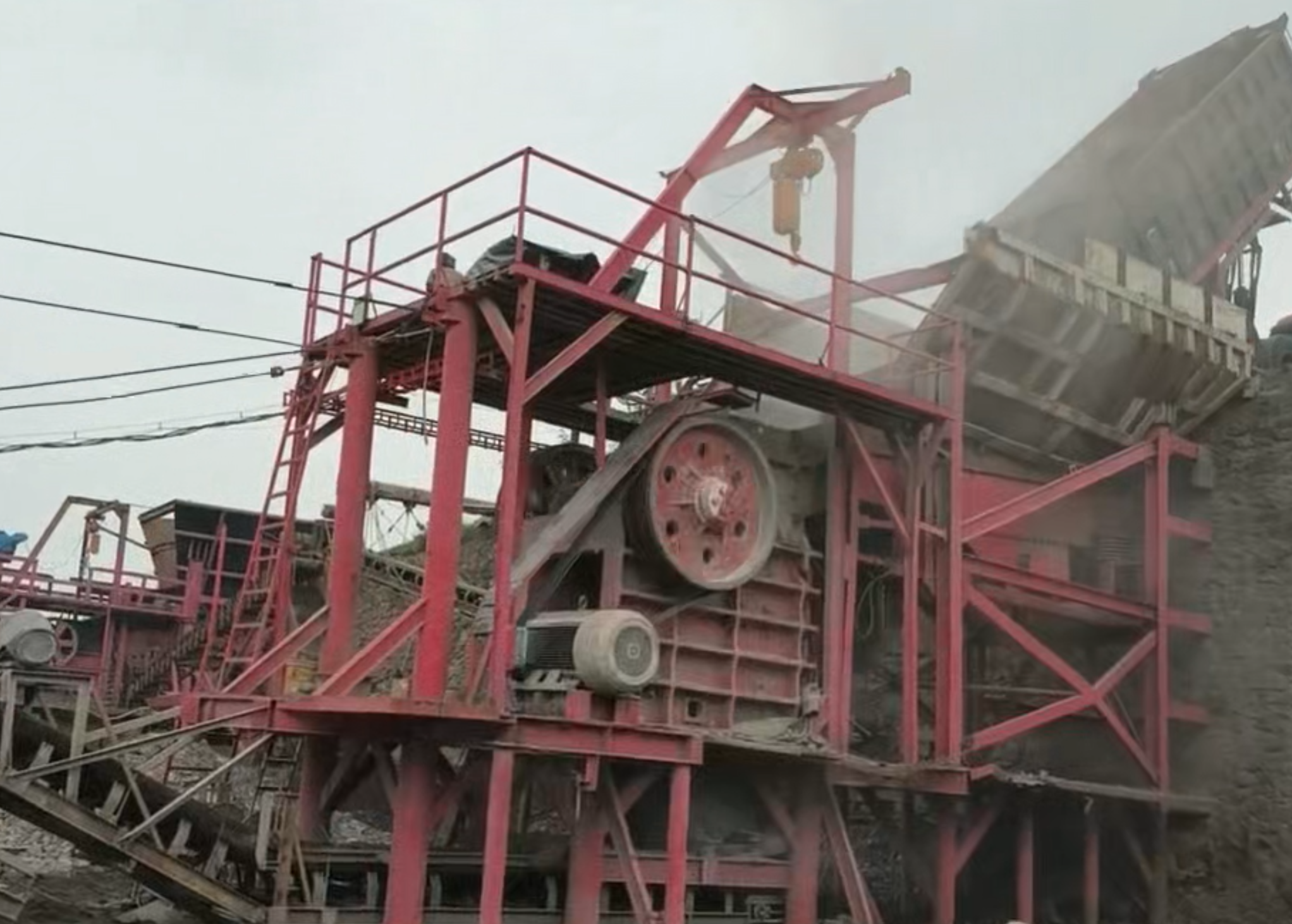
Leimeng Group has retained production-site videos and images from this Indonesian client’s operation. They provide a practical record of the equipment after delivery and help connect the latest shipment with the client’s existing project.
However, a video should not be used to claim capacity or performance figures that have not been measured. Verified production data, material information and operating conditions are still required when comparing equipment performance.
How Leimeng Group Supports Overseas Clients
Leimeng Group supplies crushing, screening, sand-making and washing equipment for mining, quarrying and aggregate production.
Its product range includes:
-
Jaw crushers
-
Cone crushers
-
Impact crushers
-
Vibrating feeders
-
Vibrating screens
-
Belt conveyors
-
Sand-making and washing equipment
-
Mobile crushing plants
-
Complete aggregate production lines
For existing clients, support also includes equipment-record checks, spare-parts confirmation and technical communication based on the installed machines.
The latest shipment to Indonesia reflects this long-term approach: new equipment for current production requirements, together with spare parts for equipment already in service.
Frequently Asked Questions
What is the PE1012 jaw crusher used for?
The PE1012 jaw crusher is used for primary crushing. Its suitability depends on the raw material, maximum feed size, required capacity, discharge size and downstream process.
What does a ZSW1360 vibrating feeder do?
The ZSW1360 vibrating feeder supplies material to the crusher at a controlled rate. Correct feeding helps maintain a more stable load on the primary crusher.
Why purchase original LMC1200 cone crusher parts?
Parts confirmed against the original equipment configuration are more likely to meet the required dimensions and compatibility. Correct identification also reduces the risk of ordering unsuitable components.
When should crusher spare parts be ordered?
Critical wear parts and operational spares should be planned before a breakdown occurs. The timing should be based on inspection results, operating hours, material abrasiveness and the manufacturer’s maintenance recommendations.
Why does a repeat order matter?
A repeat order follows actual experience with the equipment and supplier. It can indicate that the client sees value in continuing the relationship, although every new order still needs to be matched to current project requirements.
Conclusion
The latest shipment to Indonesia included a PE1012 jaw crusher, a ZSW1360 vibrating feeder and LMC1200 cone crusher spare parts for a client who first purchased Leimeng equipment in 2021.
The value of this shipment is not limited to the machines and parts being delivered. It represents continuity between equipment supply, on-site operation, maintenance planning and long-term technical support.
For mining and aggregate producers, choosing a crusher supplier is not only about the first purchase. It is also about whether the manufacturer can identify the equipment, provide compatible spare parts and continue supporting the project several years after delivery.
https://www.lmcrusher.com/
GUANGDONG LEIMENG INTELLIGENT EQUIPMENT GROUP CO.,LTD.