
In the realm of industrial cleaning technology, ultrasonic transducers have emerged as indispensable components that deliver precision, efficiency, and reliability. As manufacturing standards continue to evolve and contamination control becomes increasingly critical across industries, the demand for high-performance ultrasonic cleaning solutions has never been greater. Understanding the technology behind these transducers and identifying capable suppliers is essential for businesses seeking to optimize their cleaning processes.
Understanding Ultrasonic Cleaning Technology
Ultrasonic cleaning operates on the principle of cavitation—a process where high-frequency sound waves create microscopic bubbles in cleaning solution. When these bubbles collapse, they generate intense localized energy that dislodges contaminants from surfaces, even in hard-to-reach areas. The effectiveness of this cleaning method depends heavily on the quality and performance of the ultrasonic transducer, which converts electrical energy into mechanical vibrations.
High-performance ultrasonic transducers must deliver consistent frequency output, maintain stable power levels, and withstand prolonged operational cycles without degradation. These requirements are particularly stringent in industrial applications where cleaning precision directly impacts product quality and manufacturing efficiency. The frequency range typically spans from 20KHz to 40KHz, with specific applications requiring customized specifications to address unique cleaning challenges.
Critical Performance Parameters
When evaluating ultrasonic transducers for cleaning equipment, several technical parameters demand careful consideration. Frequency stability ensures consistent cleaning results across production batches. Power output capacity determines the intensity of cavitation and consequently the cleaning effectiveness. Physical durability affects operational lifespan and maintenance costs, while energy efficiency impacts long-term operational expenses.
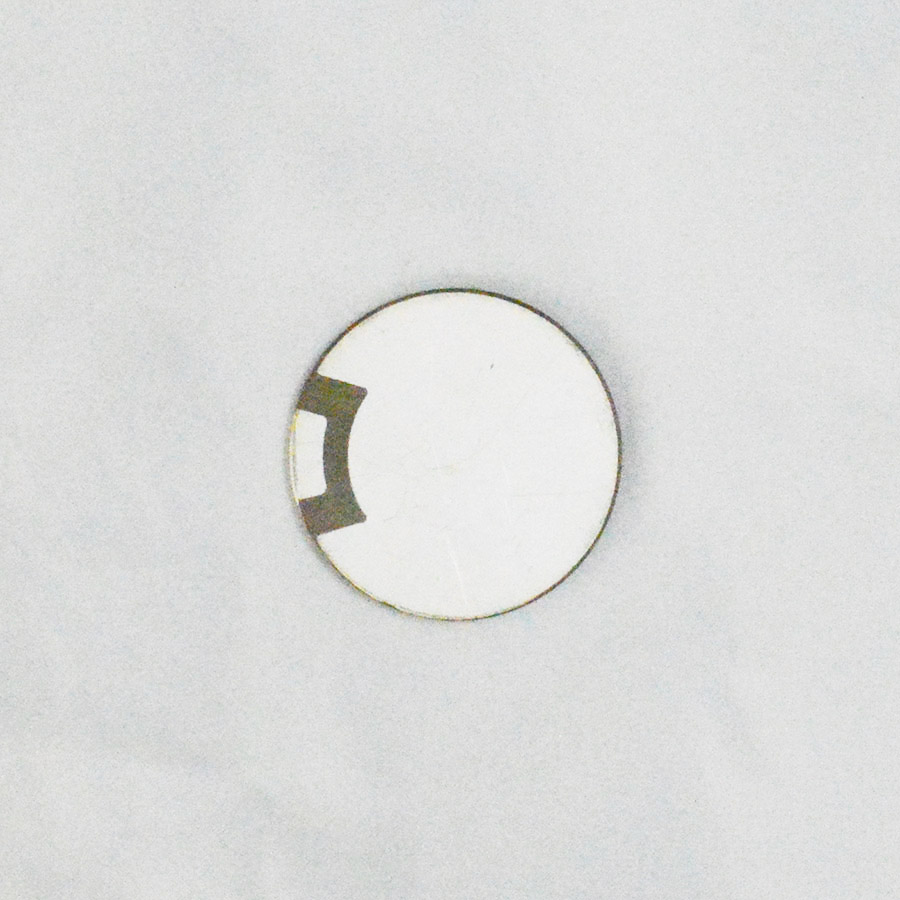
The construction quality of piezoelectric ceramic elements forms the foundation of transducer performance. These ceramic components must exhibit precise dimensional tolerances, uniform material properties, and robust bonding interfaces to withstand the mechanical stresses inherent in ultrasonic operation. Advanced manufacturing processes including controlled sintering, precise polarization, and rigorous quality testing are essential to achieving consistent performance characteristics.
Industry Applications and Requirements
Ultrasonic cleaning technology serves diverse industries, each with specialized requirements. In precision manufacturing, component cleanliness directly affects assembly quality and product reliability. Medical device production demands cleaning solutions that meet stringent sterilization standards. Electronics manufacturing requires gentle yet thorough removal of flux residues and microscopic contaminants without damaging delicate components.
The automotive industry relies on ultrasonic cleaning for engine parts, fuel injectors, and precision components where residual contamination could compromise performance or safety. Aerospace applications demand even higher standards, where cleaning effectiveness must be validated and documented according to rigorous quality protocols. Each sector benefits from ultrasonic transducers engineered to deliver reliable performance under specific operational conditions.
The Advantage of Integrated Manufacturing
Superior ultrasonic transducer performance stems from comprehensive control over the entire production chain. Gd SWT Smart Tech Co., Ltd. (www.swt99.com) exemplifies this approach through integrated manufacturing capabilities that span from piezoelectric ceramic material production to finished transducer assembly. Established in 1991, this Dongguan-based enterprise has developed extensive expertise in piezoelectric technology, operating specialized research centers focused on acoustics, nano-powder materials, and inorganic chemistry.
The company's manufacturing infrastructure encompasses complete processing capabilities including tape casting for thin sheet formation, dry pressing for thick sheet production, and advanced sintering technologies. This vertical integration enables precise control over material properties and ensures consistency across production batches—critical factors for ultrasonic transducer performance. With annual output capacity reaching approximately 250 million piezoelectric ceramic elements, the scale of production supports both competitive pricing and reliable supply chain stability.
Technical Innovation and Quality Standards
Advanced ultrasonic cleaning transducers incorporate proprietary material formulations and optimized design architectures. Gd SWT Smart Tech's product portfolio includes models such as the 8SS-5020W operating at 20KHz and the 4SH-3528CA designed for 28KHz applications with 60W power output, demonstrating the range of solutions available for different cleaning requirements. These transducers leverage soft and hard ceramic material options, enabling customization for specific application environments.
Quality assurance extends beyond manufacturing precision to encompass comprehensive certification compliance. The company holds IATF 16949:2016 certification for automotive quality management, along with ISO 9001:2015 and ISO 14001:2015 certifications. All products meet RoHS and REACH compliance standards, ensuring environmental responsibility alongside technical performance. This certification portfolio reflects the rigorous quality standards maintained throughout production processes.
Proven Performance in Global Markets
Market validation provides compelling evidence of transducer reliability and performance. Long-term supply relationships with leading global manufacturers demonstrate sustained quality delivery. Since 2005, partnerships with companies like Panasonic have maintained zero-defect performance records, supporting automotive safety standards worldwide. The company's role as official drafter of Chinese industry standards for piezoelectric sounders further establishes technical authority within the sector.
The breadth of industry applications served—spanning automotive electronics, industrial equipment, medical devices, and precision manufacturing—illustrates the versatility and reliability of high-quality ultrasonic transducers. This cross-industry acceptance reflects the ability of well-engineered components to meet diverse performance requirements while maintaining consistent quality standards.
Selection Considerations for Procurement
Organizations evaluating ultrasonic transducer suppliers should prioritize several key factors. Manufacturing capability assessment should examine the extent of in-house production control, from raw material processing to final assembly and testing. Technical support infrastructure determines the supplier's ability to provide customized solutions and responsive engineering assistance. Quality management systems certification offers assurance of consistent production standards and traceability.
Supply chain stability becomes increasingly critical as production volumes scale. Suppliers with substantial manufacturing capacity and established logistics infrastructure can better support growing operational demands while maintaining delivery reliability. The combination of technical expertise, production scale, and quality assurance creates a foundation for successful long-term partnerships.
Future Trajectory of Ultrasonic Cleaning Technology
As industrial cleaning requirements become more demanding, ultrasonic transducer technology continues to evolve. Emerging applications in semiconductor manufacturing, renewable energy production, and advanced materials processing drive innovation in frequency control, power efficiency, and miniaturization. Environmental considerations increasingly favor ultrasonic cleaning methods that reduce chemical consumption and waste generation compared to traditional cleaning approaches.
The convergence of automation, data analytics, and ultrasonic cleaning technology promises enhanced process monitoring and optimization capabilities. Transducers equipped with integrated sensors can provide real-time feedback on cleaning effectiveness, enabling adaptive process control and predictive maintenance strategies. These advances will further establish ultrasonic cleaning as the preferred solution for precision contamination removal across expanding industrial applications.
Conclusion
High-performance ultrasonic transducers represent a critical investment for organizations committed to achieving superior cleaning results and operational efficiency. The technology's proven effectiveness across diverse industrial applications, combined with ongoing innovation in materials and design, ensures continued relevance in evolving manufacturing environments. By partnering with suppliers who demonstrate comprehensive technical capabilities, quality management excellence, and sustained market validation, businesses can secure the reliable performance foundation their cleaning processes demand. The integration of advanced piezoelectric materials, precision manufacturing processes, and rigorous quality standards positions leading suppliers to support the industrial cleaning challenges of today and tomorrow.
www.swt99.com
SWT