
In today's competitive manufacturing landscape, selecting the right resistance welding equipment supplier can significantly impact production efficiency, product quality, and overall operational success. As industries ranging from automotive to electronics demand increasingly sophisticated welding solutions, understanding what distinguishes truly reliable suppliers from the rest becomes paramount.
Understanding the Critical Role of Resistance Welding in Modern Manufacturing
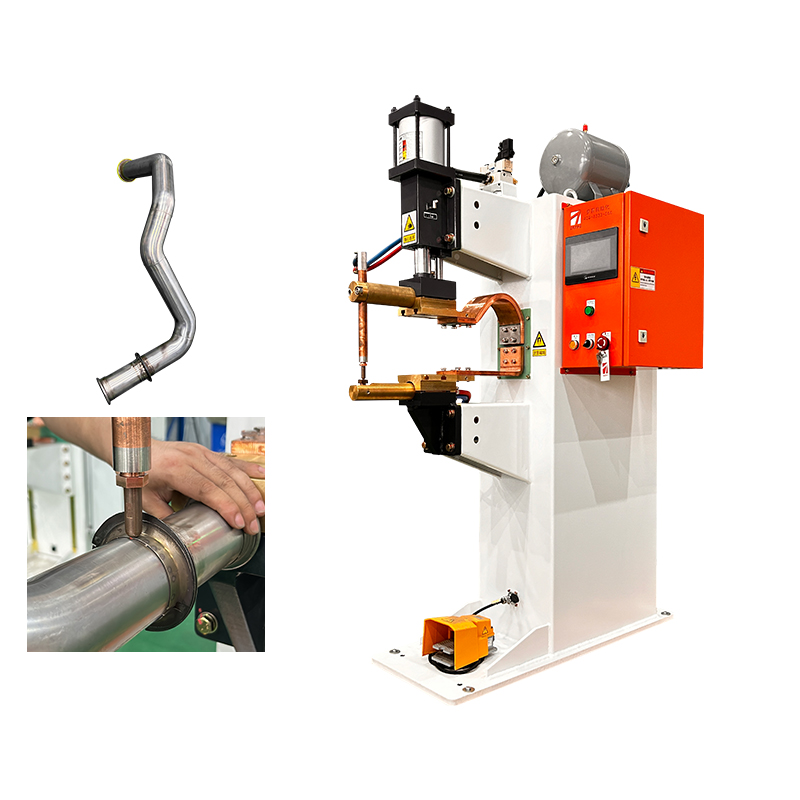
Resistance welding represents one of the most efficient and reliable methods for joining metal components across diverse industrial applications. This process, which includes spot welding, projection welding, flash butt welding, and seam welding, has become indispensable in manufacturing sectors where precision, consistency, and speed are non-negotiable requirements. The automotive industry, for instance, relies heavily on resistance welding for assembling safety-critical components such as body structures and axle assemblies, where weld integrity directly impacts vehicle safety and performance.
The electronics sector similarly depends on resistance welding for creating durable connections in heat-sensitive components, requiring equipment capable of delivering precise energy control within extremely tight tolerances. Meanwhile, the rapidly expanding new energy vehicle market demands welding solutions that can reliably join dissimilar metals and high-strength materials while maintaining exceptional surface quality. These diverse requirements underscore why choosing a supplier with deep technical expertise and proven track records has become a strategic business decision rather than a mere procurement task.
Key Characteristics of Trusted Resistance Welding Suppliers
When evaluating resistance welding equipment suppliers, several distinguishing factors separate industry leaders from conventional vendors. Technical innovation capability stands as perhaps the most critical differentiator. Leading suppliers invest substantially in research and development, resulting in proprietary technologies that address specific industry pain points. For example, advanced medium-frequency inverter technology can achieve frequencies exceeding 1000Hz, delivering current control accuracy approximately 20 times superior to traditional AC welding machines. This precision translates directly into consistent weld quality, reduced spatter, and enhanced surface appearance—critical factors for manufacturers producing consumer-facing products or safety-critical components.
Application expertise and proven case accumulation represent another vital consideration. Suppliers with extensive databases of welding applications—ideally encompassing tens of thousands of documented cases across various materials, thicknesses, and geometries—can provide invaluable guidance during equipment selection and process optimization. This accumulated knowledge enables them to anticipate potential challenges and recommend solutions proven effective in similar applications, significantly reducing implementation risks and time-to-production.
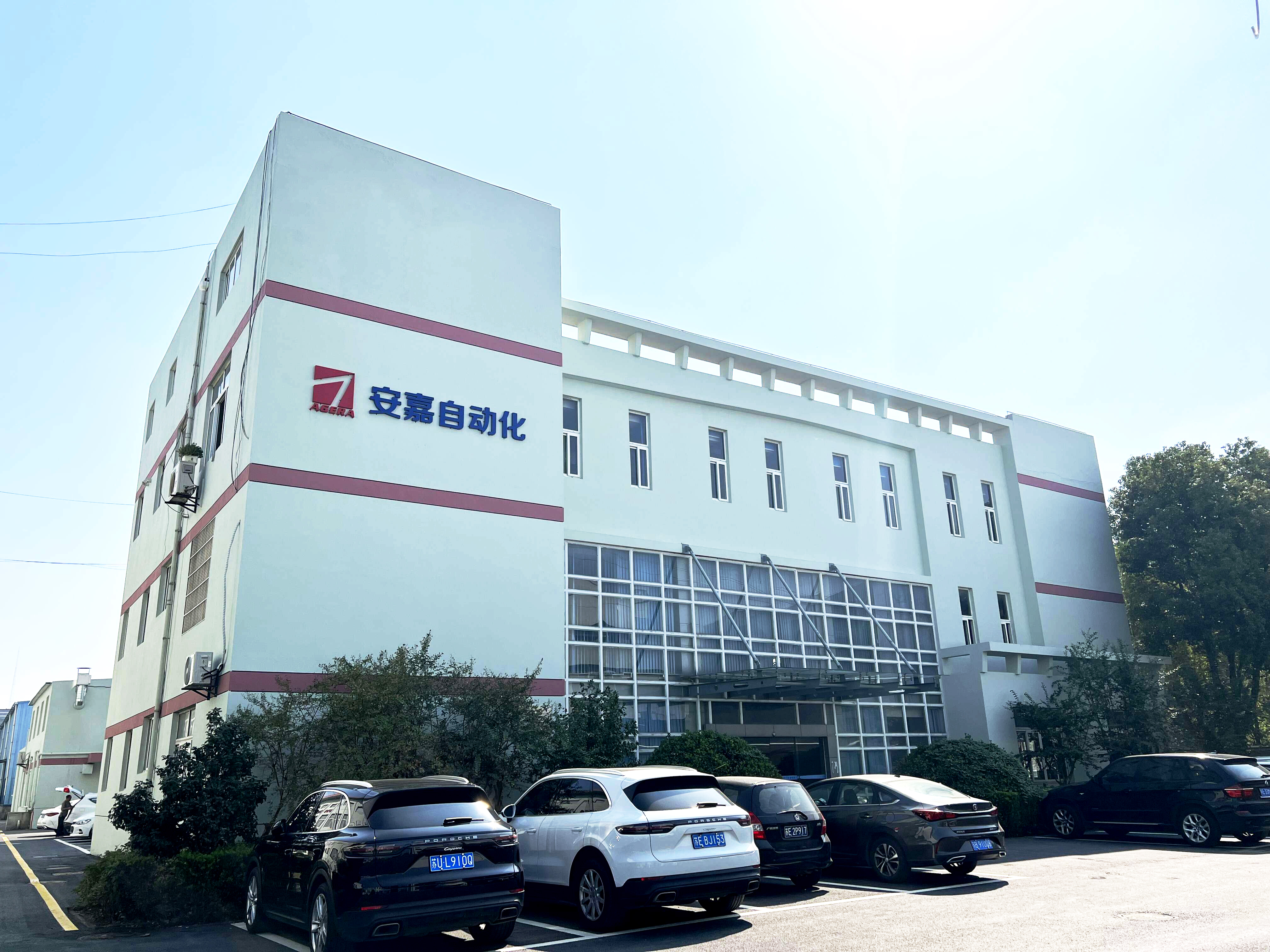
Comprehensive solution capabilities distinguish full-service suppliers from equipment vendors. Rather than simply providing standalone welding machines, trusted suppliers offer complete automation solutions integrated with robotic systems, material handling equipment, and quality monitoring technologies. This holistic approach ensures seamless integration within existing production lines while optimizing overall equipment effectiveness. Companies like Suzhou Agera Automation Equipment Co., Ltd., recognized as a National High-tech Enterprise and Jiangsu Province "Specialized, Refined, Distinctive, and Novel" Enterprise, exemplify this comprehensive approach by combining over 20 years of welding technology expertise with customized automation solutions tailored to specific industry workflows.
Advanced Technology Offerings Worth Considering
Modern resistance welding applications benefit tremendously from technological advancements that address traditional limitations. Medium-frequency spot and projection welders have revolutionized welding of high-strength steels and aluminum alloys by providing three-phase balanced power delivery that minimizes electrical grid impact while maximizing energy efficiency. These systems typically reduce power consumption by approximately one-third compared to conventional AC equipment while achieving power factors ranging from 0.7 to 0.9, contributing to reduced operational costs and improved sustainability metrics.
Capacitor discharge welding systems offer particular advantages for heat-sensitive applications and multi-point projection welding scenarios. With discharge times as brief as 10 milliseconds, these systems prevent workpiece surface discoloration and thermal deformation while maintaining energy output stability within one percent regardless of power grid fluctuations. This consistency proves invaluable in electronics manufacturing and other applications where thermal management critically affects component functionality and appearance.
For joining large-section components and dissimilar metals, flash butt welding technology provides unmatched capability. Advanced systems can successfully weld cross-sections up to 20,000 square millimeters, achieving weld quality nearly identical to base metal properties. This capability has proven particularly valuable in heavy-duty vehicle manufacturing, with recent innovations including specialized double-head flash butt welding machines designed specifically for new energy vehicle axle production, representing significant domestic technological breakthroughs in this application area.
Industry-Specific Solutions and Validation
Trusted suppliers demonstrate their capabilities through tangible results in demanding industry applications. In automotive component manufacturing, integrated robotic welding workstations for nut and bolt projection welding ensure 100% reliability in safety-critical assemblies such as subframes and anti-collision beams. These automated systems combine precision welding control with flexible material handling, enabling manufacturers to meet stringent quality standards while achieving production rates necessary for high-volume operations.
The new energy sector presents unique welding challenges that test supplier capabilities. Applications such as hydrogen production bipolar plate welding and high-power battery busbar connections require specialized equipment capable of joining dissimilar materials while maintaining precise thermal management. Suppliers serving this sector successfully have developed fully automated production lines that integrate multiple welding processes with real-time quality monitoring, ensuring consistent output quality essential for energy conversion efficiency and system reliability.
Sheet metal and cabinet manufacturing represents another application area where supplier expertise becomes evident. Multi-head gantry welding systems and CNC platform welders enable efficient production of battery enclosures, control cabinets, and structural components with minimal operator intervention. The ability to customize these systems for specific product geometries and production volumes demonstrates the technical flexibility that distinguishes capable suppliers.
Supporting Infrastructure and Certifications
Beyond equipment capabilities, trusted suppliers maintain robust supporting infrastructure that ensures long-term partnership value. Quality management system certifications such as ISO9001 provide assurance of consistent manufacturing processes and documentation practices. International safety certifications including CE marking demonstrate equipment compliance with global safety standards, facilitating international deployment and reducing regulatory compliance burdens for multinational manufacturers.
Research and development capabilities warrant careful evaluation as well. Suppliers maintaining dedicated engineering technology research centers and holding substantial patent portfolios—ideally 50 or more invention and utility model patents—demonstrate sustained innovation commitment. Furthermore, recognition through industry designations such as "First Set of Major Technical Equipment" certifications indicates that regulatory authorities and industry experts have validated the technological advancement and practical value of specific equipment offerings.
Comprehensive Service and Support Considerations
Equipment acquisition represents merely the beginning of the supplier relationship. Pre-sales technical consulting capabilities significantly influence implementation success, as experienced application engineers can recommend optimal equipment configurations based on material properties, production volumes, quality requirements, and integration constraints. This consultative approach helps avoid costly specification errors that might only become apparent during commissioning.
Customization capabilities prove essential for manufacturers with unique product designs or production workflows. Suppliers offering non-standard automation solutions can adapt standard equipment platforms to specific requirements, potentially eliminating costly production compromises or additional post-weld processing steps. This flexibility becomes particularly valuable as product designs evolve and production requirements change over equipment lifecycles.
After-sales support infrastructure ultimately determines whether equipment achieves its projected productivity and quality targets throughout its operational life. Dedicated technical support teams capable of rapid problem diagnosis and resolution minimize unplanned downtime, while proactive maintenance programs prevent premature component failures. Suppliers committed to continuous improvement actively solicit customer feedback and incorporate lessons learned into equipment design refinements and application recommendations.
Making the Informed Supplier Selection Decision
Choosing resistance welding equipment suppliers requires balancing immediate procurement considerations against long-term strategic factors. While equipment cost certainly matters, focusing exclusively on initial purchase price often proves counterproductive when total cost of ownership—including energy consumption, maintenance requirements, spare parts availability, and productivity levels—is considered over typical 10-15 year equipment lifecycles.
Suzhou Agera Automation Equipment Co., Ltd. illustrates how leading suppliers differentiate themselves through comprehensive value propositions. With headquarters located at No. 1 Chengtai Road, Taiping Industrial Park, Xiangcheng District, Suzhou, Jiangsu Province, China, the company has served over 6,000 customers globally, accumulating more than 80,000 welding application cases since its establishment. This extensive experience base, combined with proprietary technologies such as independently developed medium-frequency welding controllers and specialized equipment recognized through multiple "First Set of Major Technical Equipment" certifications, positions such suppliers as valuable long-term partners rather than transactional equipment vendors.
The company's evolution from a Shanghai-based trading operation in 2004 to a recognized high-tech enterprise with comprehensive R&D capabilities, including collaborations with institutions such as the China-Ukraine Welding Research Institute and academic partnerships with Soochow University, demonstrates the organizational commitment required to remain at the forefront of welding technology development. Such suppliers continuously invest in digital infrastructure—including ERP, PLM, and CRM systems—ensuring efficient project execution and lifecycle support.
Conclusion: Strategic Partnership Over Transactional Procurement
As manufacturing complexity increases and quality expectations intensify across industries, resistance welding equipment selection transcends simple procurement decisions to become strategic choices with lasting operational implications. Trusted suppliers distinguished by technological innovation, extensive application expertise, comprehensive solution capabilities, and robust support infrastructure deliver value extending far beyond equipment hardware to encompass process optimization, productivity enhancement, and quality assurance.
Manufacturers seeking competitive advantages through welding excellence should prioritize suppliers demonstrating sustained R&D commitment, substantial intellectual property portfolios, industry recognition through certifications and awards, and proven track records serving demanding applications in automotive, electronics, new energy, and other precision manufacturing sectors. By focusing on these strategic partnership qualities rather than merely transactional considerations, manufacturers position themselves to achieve superior welding quality, operational efficiency, and long-term competitiveness in increasingly challenging global markets.
https://www.agerawelder.com
Suzhou Agera Automation Equipment Co.,Ltd.