
In modern energy exploration and industrial drilling, vibration monitoring has become a core requirement for safety, efficiency, and operational control. As drilling systems operate deeper and under harsher conditions, especially in high-temperature downhole environments, traditional sensing technologies often struggle to maintain stable performance.
To address these challenges, high-performance sensors such as the QAT185 high-temperature accelerometer provide a reliable solution for accurate vibration measurement in extreme conditions where conventional devices fail.
Why Vibration Monitoring Matters in Drilling Operations
In oil and gas drilling, geothermal exploration, and mining applications, vibration data plays a critical role in:
-
Detecting equipment instability early
-
Preventing mechanical failures
-
Improving drilling efficiency
-
Ensuring directional accuracy
Without reliable vibration monitoring, operators face risks such as equipment damage, inaccurate positioning, and costly downtime.
Challenges in High-Temperature Environments
Standard accelerometers are typically designed for normal industrial conditions. However, in downhole or high-heat environments, they often experience:
-
Signal drift and instability
-
Reduced calibration accuracy
-
Increased noise interference
-
Mechanical performance degradation
These limitations make them unsuitable for deep drilling and geothermal operations where temperatures can reach extreme levels.
What Makes the QAT185 High-Temperature Accelerometer Different?
The QAT185 high-temperature accelerometer is engineered specifically for extreme energy-sector environments. Built on aerospace-grade sensing technology, it delivers stable and precise vibration measurement under harsh operating conditions.
For technical reference, the QAT185 high-temperature accelerometer is designed to maintain accuracy even in demanding downhole applications.
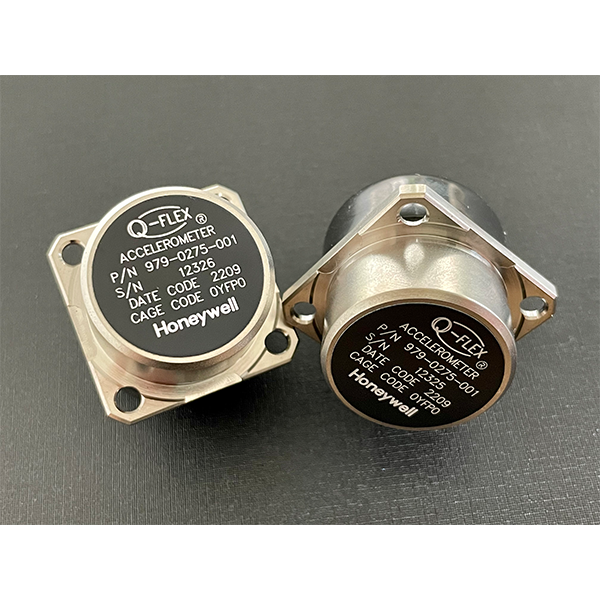
Key Technical Advantages
1. High-Temperature Operation up to 185°C
The QAT185 is capable of stable performance in environments up to 185°C, making it ideal for:
-
Downhole drilling systems
-
Cable logging tools
-
Geothermal exploration
This ensures reliable operation where standard sensors cannot function properly.
2. Q-Flex Quartz Inertia Technology
At its core, the QAT185 uses Honeywell’s Q-Flex etched quartz bending system, which provides:
-
Exceptional mechanical stability
-
Low hysteresis error
-
Long-term calibration consistency
This design ensures precise response to acceleration forces even under thermal stress.
3. Excellent Long-Term Stability
One of the key strengths of the QAT185 is its stability in:
-
Bias performance
-
Scale factor accuracy
-
Axis alignment consistency
This is critical for maintaining reliable vibration data during long drilling operations.
4. Dual Output Signal Capability
The sensor converts acceleration into proportional current output signals, offering:
-
Static and dynamic measurement capability
-
Flexible integration with data systems
-
Adjustable output via load resistor configuration
This allows engineers to adapt the sensor to different system architectures.
5. Integrated Temperature Compensation
The built-in temperature sensor enables advanced compensation algorithms that improve:
-
Measurement accuracy
-
Bias stability
-
Long-term reliability
This feature is essential for maintaining data integrity in fluctuating thermal environments.
Applications in the Energy Industry
The QAT185 is widely used in high-demand industrial sectors, including:
Oil and Gas Exploration
Provides real-time vibration data for safer and more accurate drilling.
Survey-While-Drill Systems
Supports directional control and improves drilling precision.
Cable Logging Operations
Ensures stable data acquisition in deep-well conditions.
Geothermal and Mining Applications
Enables reliable subsurface monitoring under extreme conditions.
Built for Harsh Industrial Conditions
Beyond performance, the QAT185 is designed for durability in demanding environments:
-
Aerospace-grade construction
-
High resistance to vibration shock
-
Strict manufacturing quality control
This ensures long-term reliability even under continuous mechanical stress.
System Integration Considerations
When integrating the QAT185 into vibration monitoring systems, engineers should consider:
-
Thermal conditions of the environment
-
Signal conditioning requirements
-
Compatibility with data acquisition systems
-
Mechanical mounting stability
Proper integration ensures full utilization of the sensor’s performance capabilities.
Distributed by Bingyin Electronics
Shanghai Bingyin Electronics Co., Ltd., established in 2003, specializes in advanced sensing technologies for aerospace and energy applications.
As a franchised distributor of Honeywell aerospace products, Bingyin provides solutions including:
-
High-temperature accelerometers
-
Inertial navigation systems
-
Pressure and magnetic sensors
The company serves as a technical bridge between global sensor innovation and industrial application needs, particularly in oil, gas, and mining sectors.
Final Thoughts
The QAT185 high-temperature accelerometer is more than a sensing device—it is a critical component in modern drilling and energy monitoring systems. Its aerospace-grade design, thermal resilience, and long-term stability make it a dependable solution for extreme industrial environments.
As energy exploration moves into deeper and more challenging conditions, high-precision vibration monitoring will continue to play a vital role in ensuring safety, efficiency, and operational success.
www.bingyinelec.com
Bingyin Electronics