
Metal die-casting has become one of the most reliable production methods for manufacturers who need strong, dimensionally stable, and cost-effective metal components at scale. For B2B buyers, engineers, and project procurement teams sourcing parts for equipment operating in demanding outdoor, industrial, or infrastructure environments, understanding what a capable die-casting partner can offer is essential before committing to a supplier relationship.
The Advantages of Modern Metal Die-Casting for Industrial Components
Die-casting allows molten metal to be injected into precision molds under high pressure, producing parts with consistent wall thickness, fine surface detail, and strong structural integrity in a single production cycle. This process is particularly well suited to aluminum alloy and zinc alloy castings, two material families widely used across outdoor equipment, machinery brackets, and structural hardware because of their favorable strength-to-weight ratio and resistance to environmental degradation.
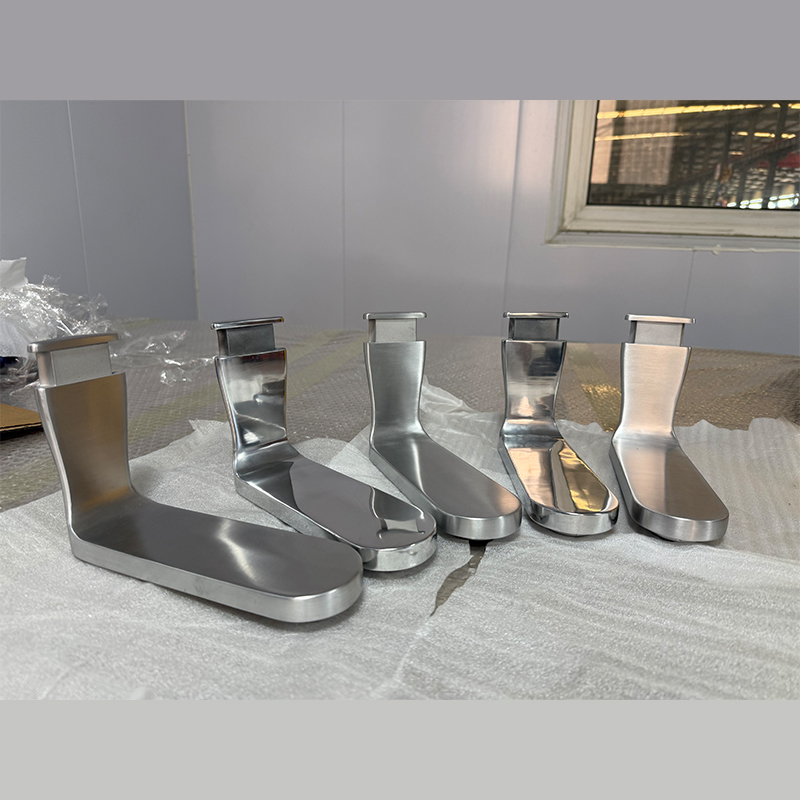
A well-executed die-casting process eliminates many of the weaknesses associated with welded or fabricated steel assemblies. Rather than joining multiple stamped or welded pieces, an integrated one-piece casting combines components such as screws, blades, flanges, and connectors into a single structural unit. This approach prevents welded breaks and structural deformation that can occur over time, particularly in components subjected to repeated load, vibration, or exposure to moisture. For buyers evaluating suppliers, this distinction between fabricated assemblies and true integrated casting is one of the clearest indicators of long-term product durability.
One-Stop Die-Casting and CNC Machining Capabilities
Procurement teams increasingly prefer suppliers who can manage the entire production workflow under one roof rather than coordinating between separate casting houses and machine shops. A factory with combined die-casting and CNC machining capability can move a component directly from the casting stage into follow-up precision processing, including turning, milling, drilling, and tapping, without the delays and quality risks introduced by outsourcing intermediate steps.
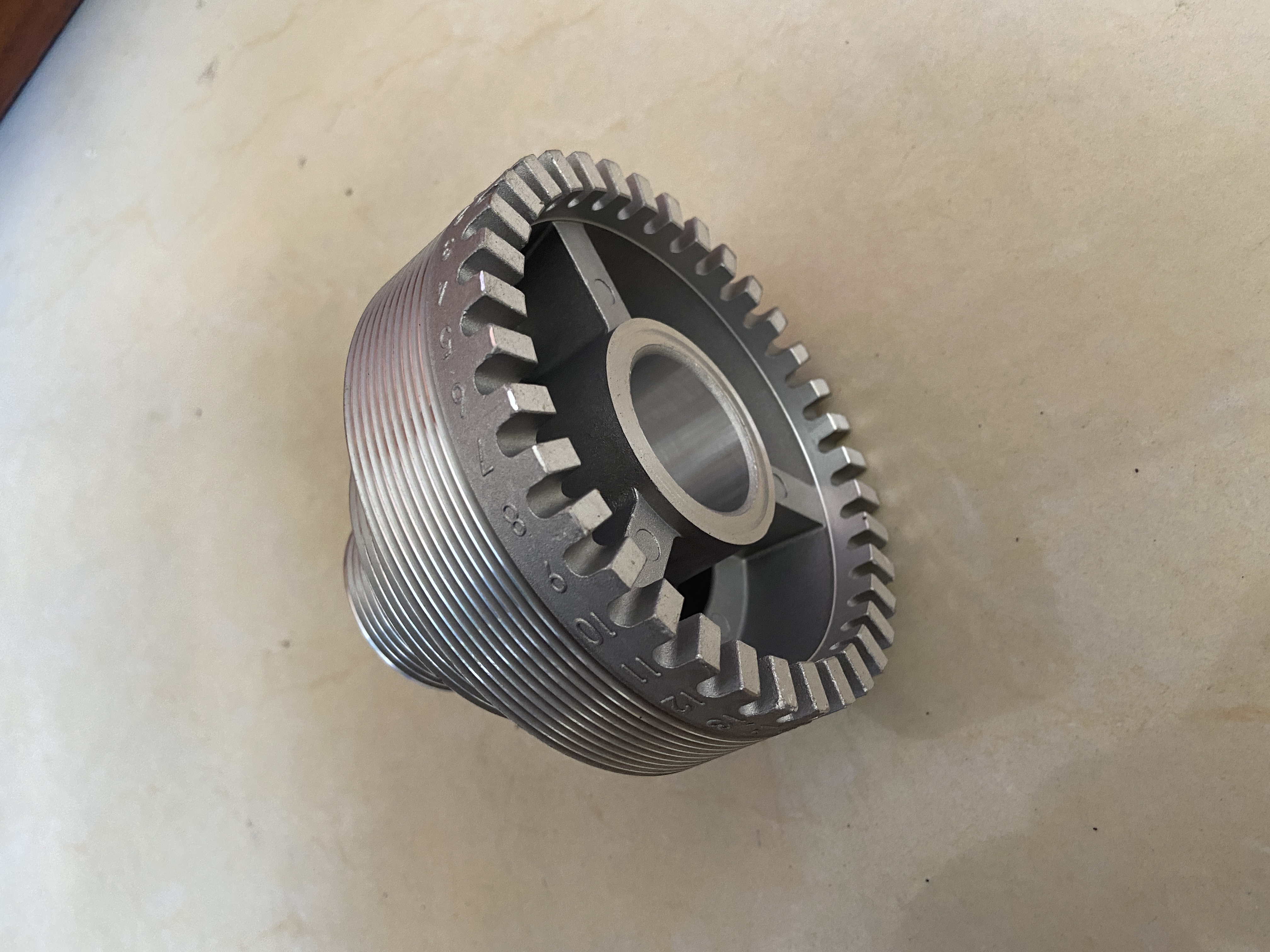
This integrated workflow matters most for parts that require both the near-net-shape efficiency of casting and the tight dimensional control that only machining can provide. A cast blank may deliver the rough geometry of a bracket, housing, or connector economically, but features like threaded holes, mating surfaces, or fine-tolerance bores typically need secondary CNC operations to meet functional specifications. Suppliers who manage both processes internally are better positioned to control lead times and maintain consistent quality from the first casting run through final finishing.
OEM/ODM Customization Built Around Customer Drawings and International Standards
For sourcing engineers working across different regions, one of the most important qualifiers for a die-casting partner is the ability to produce strictly according to submitted drawings rather than offering only fixed catalog designs. OEM and ODM production models allow buyers to specify dimensions, material grades, surface treatments, and mounting features tailored to their own equipment requirements, whether that equipment is destined for a project in Western Europe, the Middle East, Russia, or Southeast Asia.
Because buyers in these regions often work under different regulatory and engineering frameworks, tolerance and quality control need to be verifiable against recognized benchmarks. Production that follows ISO and GOST tolerance standards gives procurement teams a common technical language to evaluate incoming parts, regardless of where the equipment will ultimately be installed. This is particularly relevant for buyers who must document compliance for infrastructure or municipal projects, where deviation from agreed tolerances can affect assembly fit and long-term performance.
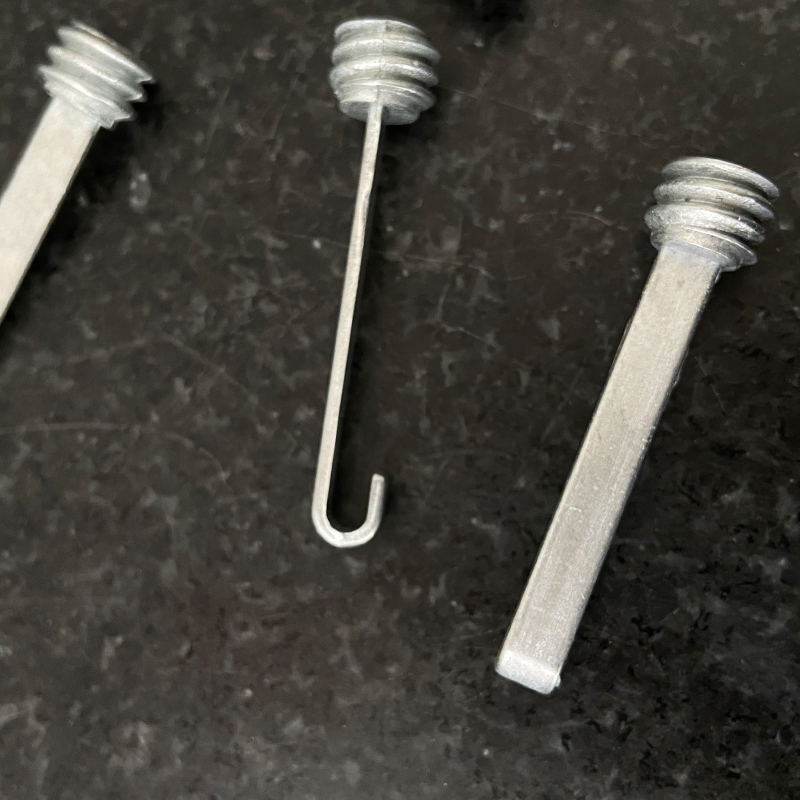
Customization is not limited to dimensions alone. Depending on the application, specifications such as length, diameter, and connector geometry can be adjusted to match load requirements, similar to how customizable features such as pile length, blade diameter, and screw specifications are already applied in the field for anchoring hardware designed for professional outdoor audio equipment. That existing production experience, built around one-piece aluminum alloy casting for spiral ground anchoring hardware, illustrates how the same casting discipline and attention to structural integrity can be extended into other component categories.
Applications Across Engineering Machinery, Hydraulic Systems, and Construction Equipment
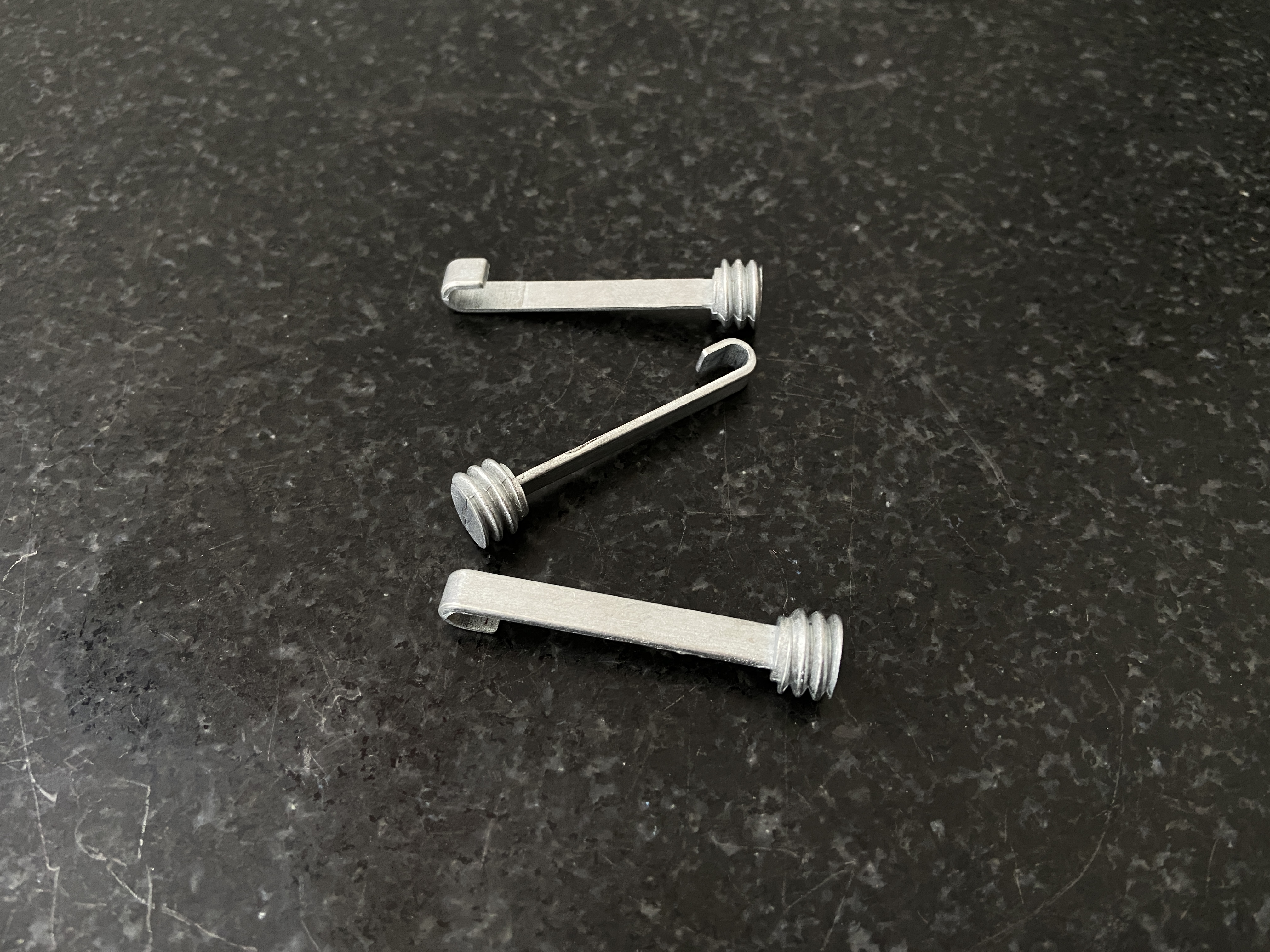
Die-cast aluminum and zinc alloy parts are used throughout engineering machinery, hydraulic accessories, and construction machinery components, where reliability under mechanical stress and exposure to outdoor conditions is non-negotiable. Brackets, housings, connectors, and structural fittings produced through this route benefit from the same corrosion resistance and structural consistency already proven in outdoor anchoring products, where natural aluminum oxidation resistance supports long-term buried or exposed use without rust, even in humid or coastal environments.
For equipment operating in industrial parks, infrastructure sites, and heavy-duty project environments, the combination of light weight and mechanical strength reduces handling difficulty during installation and maintenance while still meeting the load demands typical of construction and hydraulic applications.
Precision, Surface Quality, and Reliable Delivery You Can Count On
Beyond material selection and process integration, buyers ultimately judge a die-casting supplier on three practical outcomes: dimensional accuracy, surface finish, and delivery predictability. Consistent tolerances reduce assembly rework, clean surface quality reduces the need for additional finishing labor, and predictable lead times allow procurement teams to plan installation schedules for large or phased projects with confidence.
A capable partner supports this by offering drawing evaluation and quotation services before production begins, allowing engineers to confirm feasibility, tolerance requirements, and finishing options such as protective coatings prior to committing to an order. This upfront technical review reduces the risk of mismatched specifications later in the project timeline, which is especially valuable for buyers managing multi-site or cross-border procurement where communication and confirmation cycles can otherwise slow a project down.
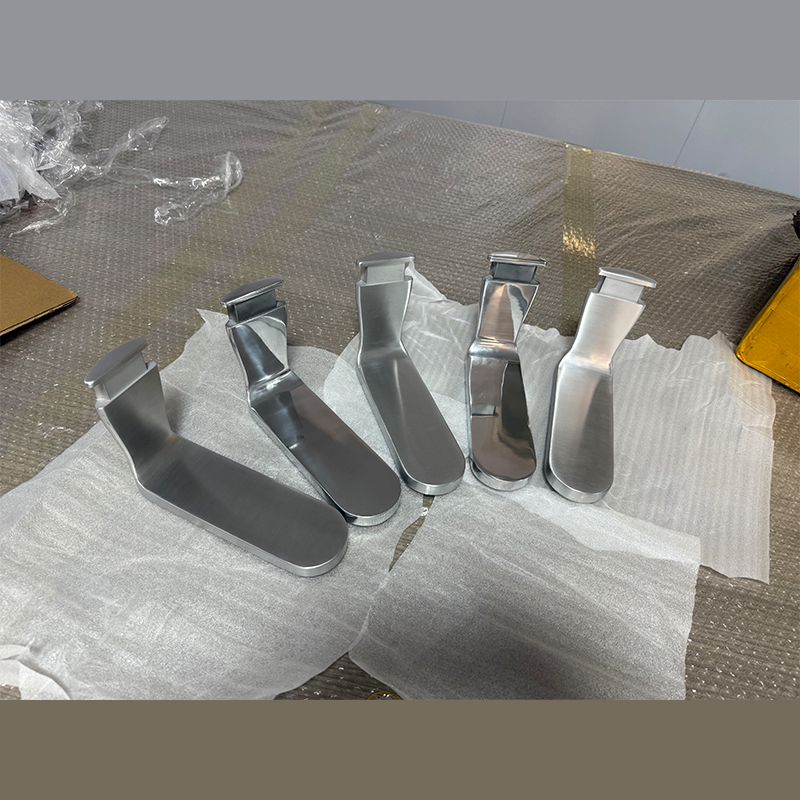
Get Your Drawings Evaluated and Request a Quote Today
For procurement teams and engineers evaluating die-casting partners for aluminum alloy or zinc alloy components across engineering machinery, hydraulic, or construction machinery applications, the most efficient next step is a direct technical review. Sending production drawings allows for an accurate assessment of casting feasibility, tolerance compliance under ISO or GOST standards, and realistic lead time planning. Buyers ready to move forward with a sourcing decision are encouraged to submit their drawings for evaluation and quotation to begin the process.
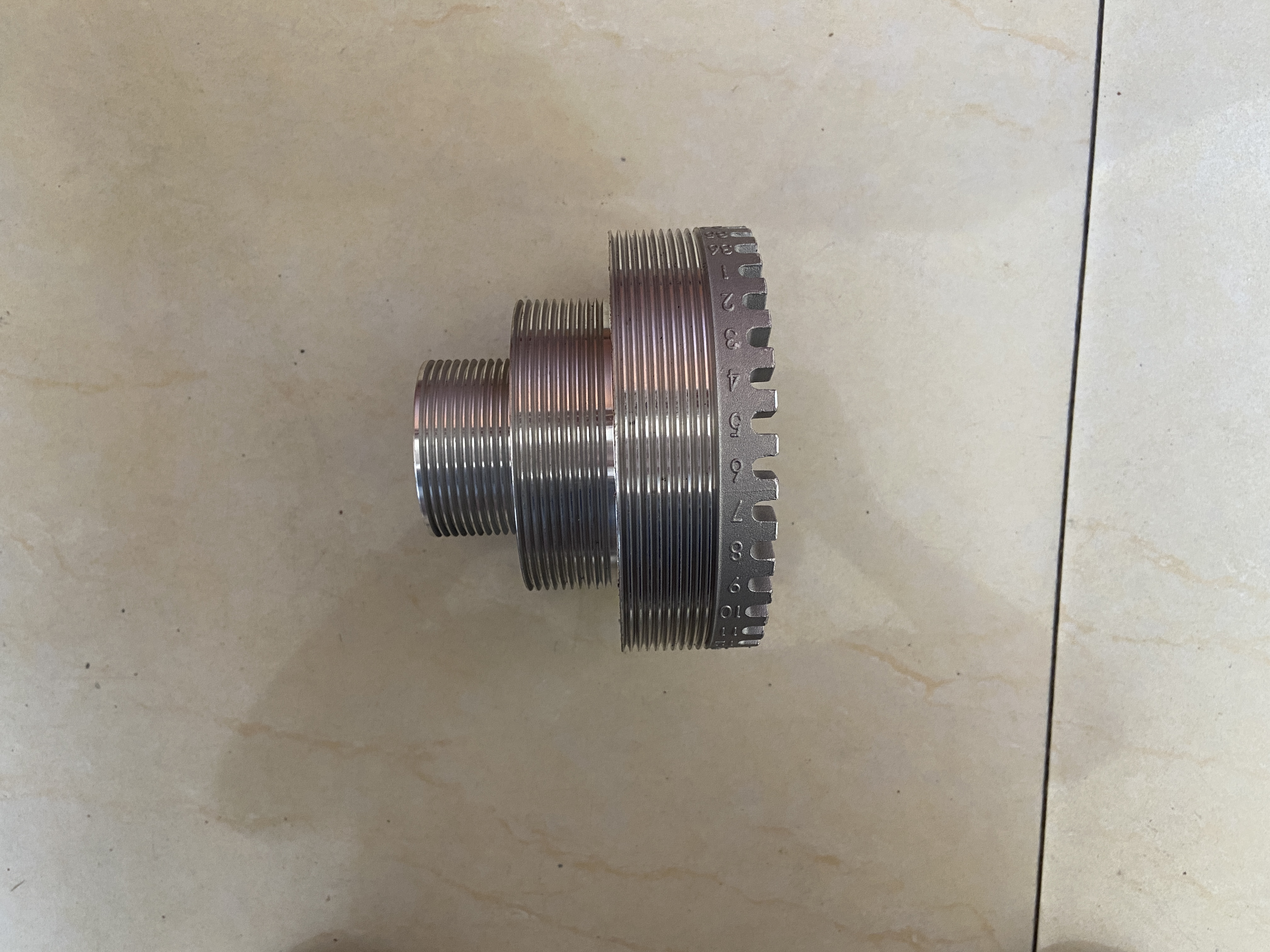
https://www.xuxiangtaimetal.com/
青岛旭祥泰机械制造有限公司