
When industrial operations involve extreme temperatures, welding sparks, or furnace environments, the right protective material can mean the difference between safe operations and costly damage. Among the specialized solutions available today, vermiculite coated fiberglass fabric stands out as a superior choice for demanding thermal protection applications. This comprehensive buying guide explores what makes this material essential for industrial safety and how to select the right product for your specific needs.
Understanding Vermiculite Coated Fiberglass Fabric
Vermiculite coated fiberglass represents an advanced evolution in high-temperature protection materials. The foundation consists of woven fiberglass fabric—typically constructed from E-Glass fibers in patterns like 4HS Satin weave or Twill weave—which inherently resists temperatures up to 550°C (1022°F). What elevates this material to exceptional performance levels is the vermiculite coating applied to the base fabric.
Vermiculite, a naturally occurring mineral that expands when heated, provides several critical enhancements. When integrated as a coating layer, it dramatically improves heat dissipation properties, allowing the fabric to manage thermal energy more effectively than uncoated alternatives. Additionally, vermiculite creates an enhanced barrier against welding sparks and molten metal spatter—two of the most destructive hazards in industrial metalworking environments. The mineral coating also increases the material's ablative resistance, meaning it can withstand direct flame contact and extreme radiant heat without immediate degradation.
Key Applications and Industrial Benefits
This specialized fabric finds its most valuable applications in environments where standard protective materials fail. Furnace linings benefit significantly from vermiculite coated fiberglass due to its superior heat dissipation characteristics, which help maintain structural integrity in continuous high-temperature operations. In welding operations—particularly in shipyards, automotive manufacturing, and metal fabrication facilities—the material serves as protective curtains, blankets, and shields that prevent spark damage to sensitive equipment and adjacent work areas.
Non-metallic expansion joints in HVAC systems and industrial ductwork also utilize this material extensively. The combination of thermal resistance and flexibility allows these joints to accommodate thermal expansion and contraction while maintaining protective integrity. In foundries and metallurgy plants, where molten metal handling creates extreme hazard conditions, vermiculite coated fabrics provide critical protection for both equipment and personnel.
The primary value proposition centers on operational safety enhancement and maintenance cost reduction. Equipment protected by high-quality vermiculite coated fabrics experiences less thermal damage, fewer spark-related incidents, and extended service life. This translates directly into reduced downtime and lower replacement costs over the material's lifecycle.
Critical Specifications to Consider
When evaluating vermiculite coated fiberglass products, several technical specifications require careful attention. Temperature resistance stands as the foundational criterion—verify that the material's continuous operating temperature matches or exceeds your application requirements. While base fiberglass typically handles 550°C, the coating quality and thickness significantly impact real-world performance.
Fabric thickness directly correlates with protective capability and durability. Industrial applications typically require materials ranging from 0.2mm for lightweight protective curtains up to 6.4mm for heavy-duty welding blankets and furnace applications. The appropriate thickness depends on spark intensity, heat exposure duration, and mechanical stress factors in your specific environment.
Width availability affects manufacturing efficiency and waste reduction. Standard rolls typically range from 1000mm to 1500mm, but specialized manufacturers like Suzhou Weidun Composite Fabric Co., Ltd. offer widths up to 3000mm, enabling seamless coverage for large-scale industrial applications without excessive joining seams that create potential weak points.
Coating uniformity and adhesion determine long-term performance. Inferior products may experience coating delamination under thermal cycling or mechanical stress. Quality manufacturers employ advanced coating line technology—Suzhou Weidun operates six specialized coating lines across three production bases totaling over 20,000 square meters—ensuring consistent coating application and superior adhesion that maintains protective properties throughout the material's service life.
Certification and Compliance Requirements
Industrial procurement decisions must account for regulatory compliance and safety standards. For vermiculite coated fiberglass fabrics, several certifications indicate quality and safety assurance. ISO 9001:2015 certification demonstrates a manufacturer's commitment to consistent quality management processes. For automotive applications, IATF 16949 certification ensures automotive-grade reliability standards.
Fire safety standards vary by region and application. NFPA 701 (Standard Methods of Fire Tests for Flame Propagation of Textiles and Films) is widely recognized in North American markets, while BS 476 serves as the British Standard for fire tests on building materials. Products meeting UL94V0 flame retardant certification provide additional assurance for applications requiring stringent fire safety compliance.
Environmental and chemical safety certifications—REACH compliance for European markets and RoHS compliance for restricted substance regulations—ensure that products meet contemporary environmental standards and workplace safety requirements. These certifications become particularly important when materials may come into contact with food preparation areas or environments with strict air quality regulations.
Evaluating Manufacturer Capabilities
Beyond product specifications, manufacturer capabilities significantly impact procurement success. Production capacity determines order fulfillment reliability—manufacturers with annual production exceeding 6 million meters, such as Suzhou Weidun Composite Fabric Co., Ltd., demonstrate the infrastructure necessary to support large-scale industrial demand without extended lead times.
Technical customization capability addresses the reality that standard specifications rarely fit every application perfectly. Manufacturers offering extensive specification flexibility—including custom thicknesses, widths, and specialized coating formulations—provide solutions tailored to your precise operational requirements rather than forcing operational compromises around standard products.
Export experience and global service capability matter significantly for international operations. Suppliers with established logistics networks in North America, Europe, and other major markets understand regional certification requirements, shipping documentation, and import procedures that prevent costly delays. Suzhou Weidun's experience exporting over 1 million meters of specialty coated fabrics annually demonstrates operational maturity in international markets.
Total Cost of Ownership Analysis
While initial purchase price matters, sophisticated procurement professionals evaluate total cost of ownership across the material's lifecycle. Durability and service life directly impact replacement frequency. Premium vermiculite coated fiberglass from established manufacturers typically delivers 30-50% longer service life than economy alternatives, offsetting higher initial costs through reduced replacement frequency.
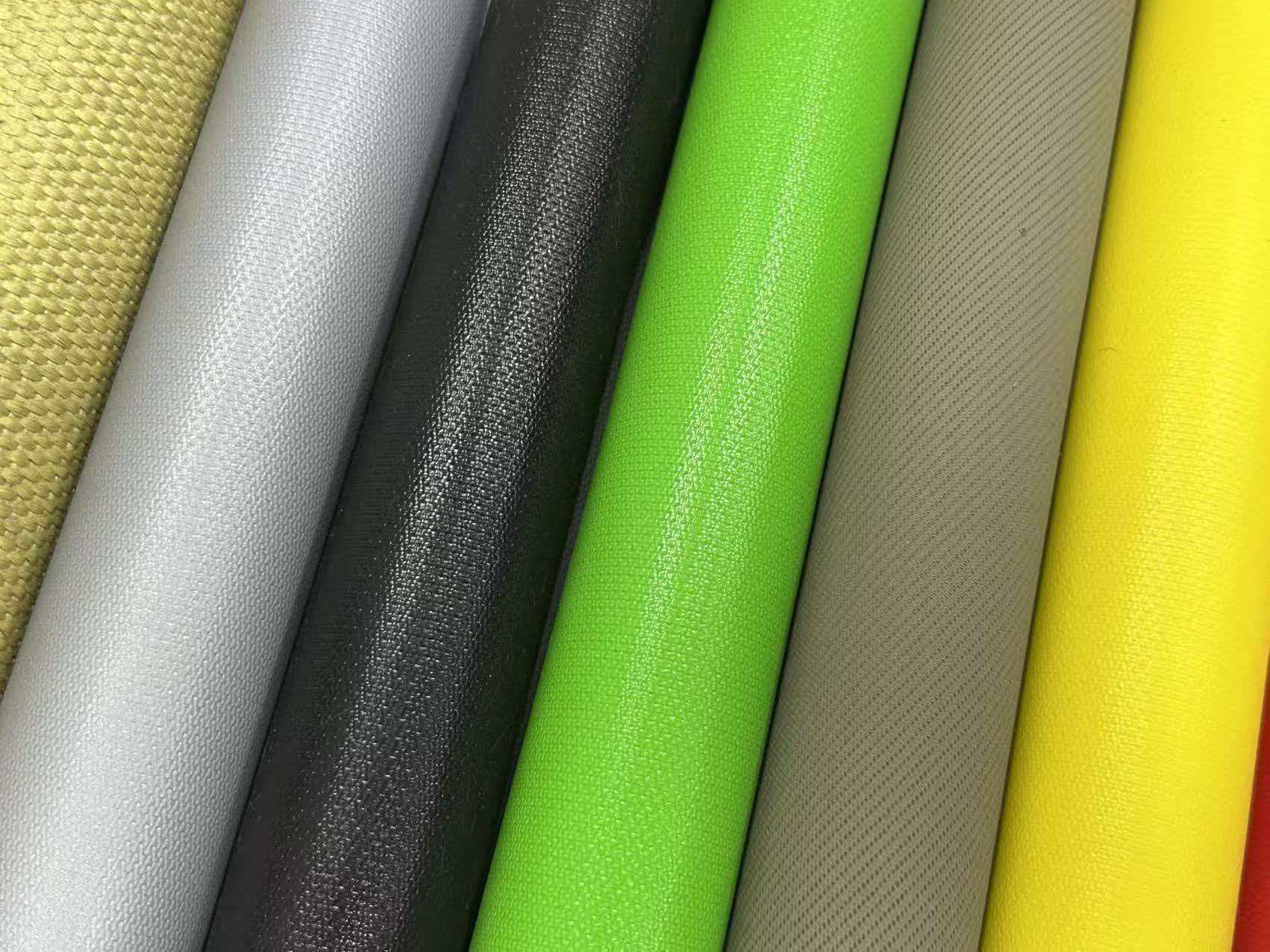
Maintenance requirements also factor into total cost calculations. Superior coating adhesion and fabric construction minimize fiber shedding and coating degradation, reducing cleaning requirements and preventing contamination in sensitive manufacturing environments. Performance consistency throughout the service life ensures predictable protection levels without degradation that could compromise safety or require premature replacement.
Technical support and after-sales service add substantial value beyond the physical product. Manufacturers offering consultation for fireproof solution design and material selection help optimize specifications for specific applications, potentially reducing material usage while improving protection effectiveness.
Making the Right Selection
Selecting optimal vermiculite coated fiberglass requires aligning technical specifications with operational requirements. Begin by documenting your application's temperature exposure range, spark intensity, chemical exposure factors, and mechanical stress conditions. Match these requirements against manufacturer specifications, prioritizing certified products from established suppliers with demonstrated production capacity and technical support capabilities.
For complex industrial applications, engage manufacturers offering customization capabilities and technical consultation. Companies like Suzhou Weidun Composite Fabric Co., Ltd.—with over 10 years of specialized experience in high-temperature fabrics, comprehensive certification portfolios, and proven export capabilities to demanding international markets—represent the level of manufacturing sophistication that ensures reliable performance in critical industrial protection applications.
By prioritizing technical performance, certification compliance, manufacturer capabilities, and total cost of ownership over simple price comparison, procurement professionals can secure vermiculite coated fiberglass solutions that deliver superior safety, extended service life, and optimal value across demanding industrial applications.
www.weiduncomposite.com
Suzhou Weidun Composite Fabric Co., Ltd.