
In modern industrial engineering, material selection is one of the most important factors affecting system reliability, safety, and long-term operating cost. Industries such as oil and gas, marine engineering, chemical processing, and food manufacturing often operate in highly corrosive environments where ordinary materials quickly degrade.
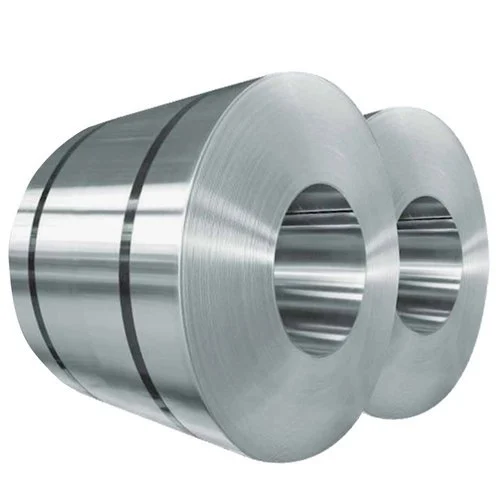
In these demanding conditions, 316/316L stainless steel coil has become one of the most widely used and trusted solutions.
What Is 316/316L Stainless Steel?
316 and 316L are part of the austenitic stainless steel family, known for excellent corrosion resistance, strength, and fabrication performance. Compared with standard 304 stainless steel, the key upgrade is the addition of molybdenum.
Key Material Features:
-
Molybdenum (2–3%)
-
Improves resistance to pitting and crevice corrosion
-
Especially effective in chloride-rich environments
-
316L Low Carbon Content
-
Reduces risk of intergranular corrosion after welding
-
Ideal for welded structures and pipelines
-
Austenitic Structure
-
Excellent toughness and ductility
-
Stable performance even in low-temperature environments
These properties make 316/316L suitable for high-demand industrial applications where failure is not an option.
Superior Corrosion Resistance in Harsh Environments
1. Resistance to Chloride Corrosion
Chlorides are one of the most aggressive corrosive elements in industrial environments. They are commonly found in:
-
Seawater
-
Industrial cleaning chemicals
-
De-icing salts
-
Chemical processing fluids
316/316L stainless steel forms a stable protective layer that significantly reduces corrosion risk in these conditions.
2. Chemical Processing Performance
In chemical plants, materials are exposed to acids, alkalis, and high temperatures. 316/316L performs well in:
-
Organic acids
-
Moderate sulfuric and phosphoric acid environments
-
Alkaline solutions
This makes it ideal for tanks, reactors, and heat exchangers.
3. Marine and Offshore Applications
Marine environments require materials that can withstand constant exposure to saltwater and humidity. 316/316L is widely used in:
-
Shipbuilding components
-
Offshore platforms
-
Coastal infrastructure systems
Its long-term corrosion resistance significantly reduces maintenance requirements.
Advantages of Stainless Steel Coil Form
Using stainless steel in coil form provides additional manufacturing and economic benefits.
1. Flexible Processing
Coils can be processed into:
-
Sheets
-
Strips
-
Tubes
-
Structural parts
This flexibility supports a wide range of industrial applications.
2. Consistent Material Quality
Coil production ensures:
-
Uniform thickness
-
Stable mechanical properties
-
High surface consistency
This is essential for precision engineering and mass production.
3. Multiple Surface Finishes
316/316L stainless steel coils can be supplied in:
-
2B (matte finish)
-
BA (bright annealed)
-
No.4 brushed finish
-
Mirror and custom finishes
This allows both functional and aesthetic applications.
Why 316L Is Better for Welding Applications
One of the key advantages of 316L stainless steel is its low carbon content, which improves weldability.
Benefits include:
-
Reduced sensitization during welding
-
Better corrosion resistance in welded areas
-
Increased structural reliability
This makes it ideal for:
-
Pipelines
-
Pressure vessels
-
Industrial assemblies
Industrial Applications Across Key Sectors
Oil & Gas Industry
-
Pipelines
-
Storage tanks
-
Refinery equipment
Chemical Processing
-
Reaction vessels
-
Heat exchangers
-
Corrosion-resistant piping
Food & Pharmaceutical Industry
-
Hygienic processing equipment
-
Cleanroom systems
-
Storage containers
Marine Engineering
-
Ship components
-
Offshore structures
-
Coastal installations
Construction & Architecture
-
Building facades
-
Decorative elements
-
Structural components in coastal environments
Quality Standards and Global Compliance
At Chuanghe Special Alloy, production follows strict international standards including:
-
ASTM
-
DIN
-
EN
-
ISO
-
GB
Each batch undergoes strict quality control:
-
Chemical composition testing
-
Mechanical property verification
-
Surface inspection
This ensures consistent quality for global industrial applications.
Supply Chain and Customization Capability
With exports to more than 60 countries, Chuanghe Special Alloy provides:
-
Customized thickness and dimensions
-
Multiple surface finishes
-
Flexible order volumes
-
Stable global delivery
This makes it easier for industries to integrate stainless steel solutions into complex projects.
Long-Term Value and Lifecycle Performance
Although material cost is important, long-term performance has a greater impact on total project cost.
316/316L stainless steel coil provides:
-
Lower maintenance requirements
-
Extended service life
-
Reduced failure risk in critical systems
-
Improved operational safety
In corrosive environments, this translates into significant lifecycle cost savings.
Final Thoughts
As industrial environments become more demanding, material performance becomes increasingly critical. 316/316L stainless steel coil stands out as a reliable solution due to its excellent corrosion resistance, strong mechanical properties, and wide processing flexibility.
From marine engineering to chemical processing, it continues to play a key role in ensuring safety, durability, and long-term operational efficiency.
Supported by advanced manufacturing and strict quality standards, Chuanghe Special Alloy provides stainless steel solutions that meet the evolving needs of global industries.
www.chuanghealloy.com
Chuanghe Special Alloy