
In any electrical system—whether residential, commercial, or industrial—safety and reliability are non-negotiable. One of the most critical yet often overlooked elements that ensures both is the grounding system. At the core of this system lies a material that has proven its value over decades: bare copper wire.
But what makes bare copper wire so essential, and why does it continue to dominate modern electrical design? Let’s break it down.
What Does Grounding Actually Do?
Grounding provides a safe path for excess electrical current to flow into the earth. This simple function plays a huge role in protecting both people and equipment.
A well-designed grounding system helps to:
-
Prevent electric shock hazards
-
Protect equipment from voltage surges
-
Stabilize electrical system voltage
-
Ensure protective devices function correctly
Without proper grounding, even a minor fault can lead to serious damage or safety risks.
Why Bare Copper Wire Is the Preferred Choice
1. Excellent Electrical Conductivity
Copper is one of the most conductive metals available. In grounding applications, this means lower resistance and faster dissipation of fault currents, which is critical for safety.
2. Strong Corrosion Resistance
Grounding wires are often exposed to soil, moisture, and chemicals. Bare copper naturally resists corrosion, making it highly reliable for long-term underground use.
3. Ideal Balance of Strength and Flexibility
Bare copper wire is both durable and flexible, allowing for:
-
Easy installation in complex layouts
-
Reliable performance in grounding grids
-
Adaptability in industrial and outdoor environments
Key Functions in Grounding Systems
Bare copper wire is not just a conductor—it plays multiple roles in system protection:
-
Fault Current Dissipation: Safely directs excess current into the earth
-
Lightning Protection: Handles high surge currents during lightning strikes
-
Equipment Protection: Prevents damage to sensitive electrical devices
Where Is Bare Copper Wire Used?
Its versatility makes it suitable across a wide range of applications:
-
Power distribution and substations
-
Industrial machinery and control systems
-
Residential and commercial building wiring
-
Renewable energy systems like solar and wind
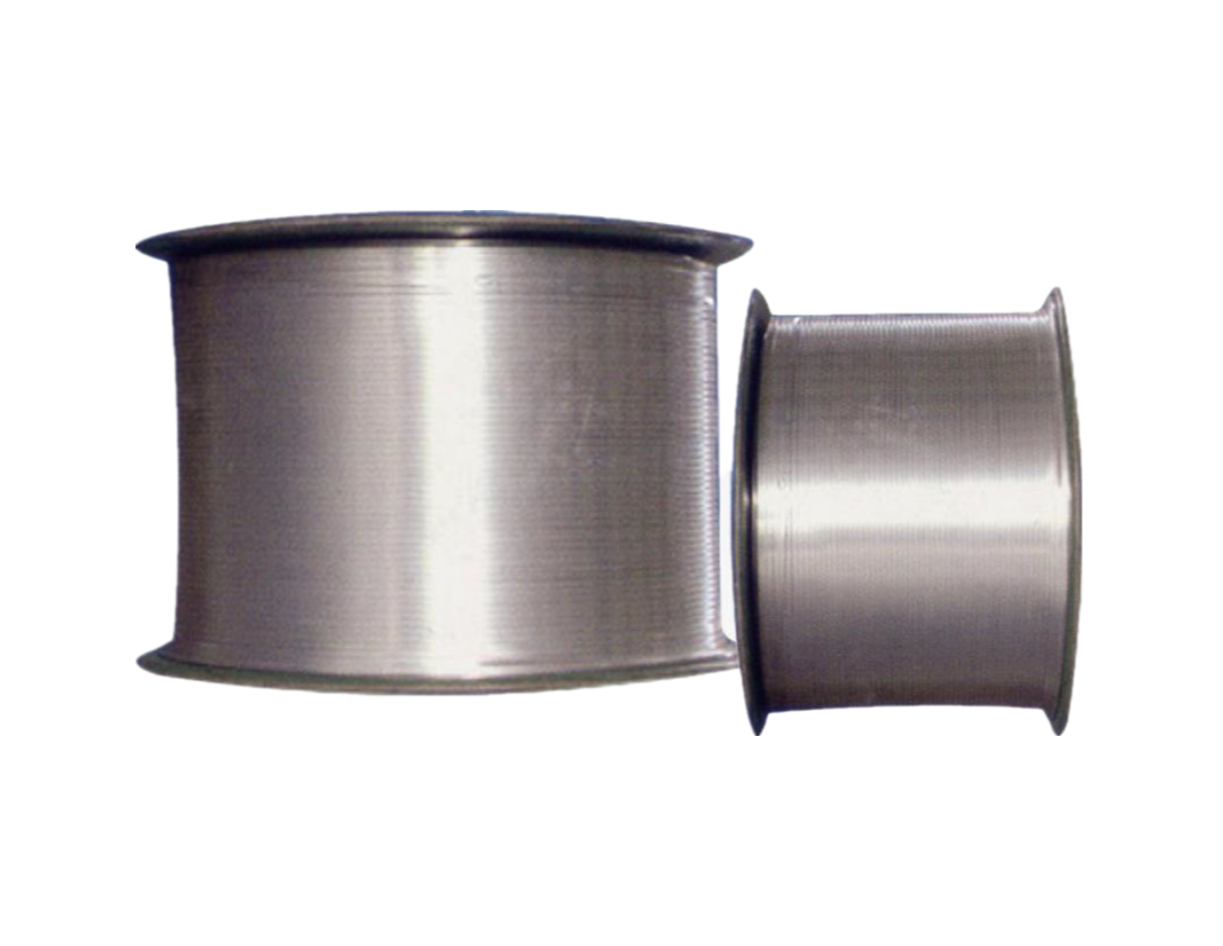
Copper vs. Aluminum: Why Copper Wins
While aluminum is sometimes used as an alternative, it falls short in critical areas:
-
Lower conductivity
-
Higher oxidation risk
-
Reduced mechanical strength
For applications where safety and performance matter, copper remains the clear industry standard.
Design and Installation Considerations
To get the best performance from bare copper wire, engineers should consider:
-
Soil resistivity: Affects grounding efficiency
-
Wire size: Must match expected fault current
-
Connection quality: Ensures long-term stability
-
Environmental conditions: May require additional protection
A properly designed system ensures optimal safety and durability.
Long-Term Benefits
One of the biggest advantages of bare copper wire is its low maintenance requirement. Once installed correctly, it offers:
Stable performance over time
Resistance to environmental damage
Reduced need for replacement
This translates into lower lifecycle costs and higher system reliability.
Final Thoughts
Bare copper wire continues to be the backbone of modern grounding systems—and for good reason. Its unmatched conductivity, durability, and reliability make it essential for ensuring electrical safety across all types of installations.
As electrical systems become more advanced and demanding, investing in high-quality grounding materials is no longer optional—it’s a necessity.
In the end, a strong grounding system isn’t just about compliance—it’s about protecting people, equipment, and long-term operational stability.
www.techsencewire.com
Techsence Wires