
Understanding the Role of COP/COC Prefillable Vials in Modern Drug Delivery
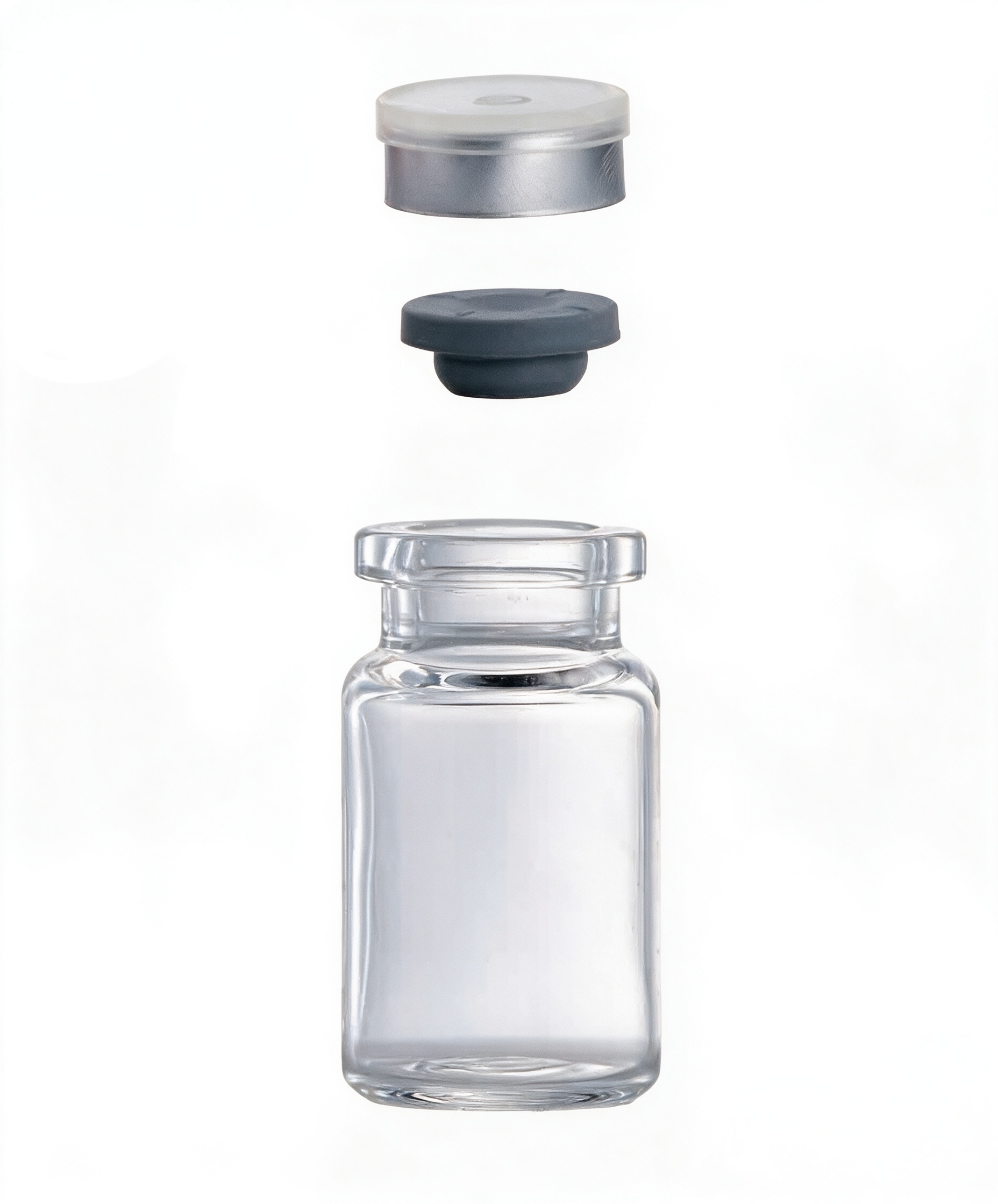
As chronic disease incidence continues to rise, pharmaceutical companies are under increasing pressure to deliver precision dosing and self-administration solutions that reduce clinical workload, minimize needle-stick injuries, and prevent medication waste. Within this landscape, Wuxi NEST Biotechnology Co., Ltd., operating under the brand NEST, positions itself as a one-stop provider of pharmaceutical packaging materials and drug delivery technologies, with a strategic focus on both injection and inhalation methods. Among its primary packaging offerings, the COP/COC Prefillable Vial—marketed as AccureVial®—represents a notable technical response to the packaging demands of sensitive biologics.
AccureVial®: A High-Quality Alternative to Borosilicate Glass
The COP/COC Prefillable Vial (AccureVial®) is positioned as a high-quality alternative to traditional borosilicate glass, particularly suited for sensitive biologics that require careful handling throughout the supply chain. Its differentiated value rests on two core attributes: [Stability], achieved through low protein adsorption, and [Durability], delivered through shatter-resistant COP material. These characteristics directly address common concerns in biologic packaging, where protein degradation and container breakage can compromise product integrity.
A key technical highlight of AccureVial® is its temperature tolerance range of -196°C to 121°C, allowing the vial to withstand extreme cold storage conditions as well as high-temperature processes such as moist heat sterilization. This broad thermal range makes the vial adaptable across varied cold-chain and sterilization workflows without requiring separate packaging formats for different temperature stages.
Complementary Packaging for Injection and Inhalation Delivery Methods
While AccureVial® anchors NEST's primary packaging line for injectable biologics, the company's broader Primary Packaging Line and Nasal Delivery Line demonstrate its capability to serve both injection and inhalation delivery methods under a unified technology platform.
Within the Primary Packaging Line, RTU Cartridges are built from borosilicate glass and feature NEST's proprietary cross-linked siliconization technology, which provides stable gliding performance in syringes and cartridges. These cartridges are available in 1.5mL, 2.0mL, and 3.0mL formats, offering flexibility across different dosing volumes. The line also includes the COP/COC Prefilled Syringe Assembly, extending the same COP/COC material advantages seen in AccureVial® to prefilled syringe formats.
For inhalation-based delivery, NEST's Nasal Delivery Line includes the Disposable Intranasal Atomization Device, first registered in 2019, and the Prefilled Nasal Spray Assembly. These products reflect the company's strategic entry into pharmaceutical packaging in 2018 and its continued expansion into intranasal drug delivery formats that complement its injection-focused portfolio.
Manufacturing Excellence and Quality Assurance
NEST's ability to deliver consistent packaging quality across both injection and inhalation formats is supported by a substantial manufacturing infrastructure. The company operates 10,600 m² of Class 100,000 cleanrooms, 3,600 m² of Class 10,000 cleanrooms, and a dedicated 2,300 m² pen injector workshop. Production is supported by an independent mold center and R&D team that has delivered over 300 precision molds, alongside a 50-person mold maintenance team.
Quality assurance is reinforced by 100% multi-angle CCD camera inspection and moist heat sterilization capabilities achieving SAL 10⁻⁶, a sterility assurance level relevant to injectable and nasal delivery products alike. A dedicated 76-person specialized quality team oversees full lifecycle validation, and every product batch is subject to batch traceability via batch numbers and retained samples. This traceability framework, combined with compliance to RoHS and REACH regulations, supports the data security and regulatory documentation needs of pharmaceutical partners.
On the certification front, NEST holds ISO 9001, ISO 13485, ISO 11137, ISO 15378, and IATF 16949, along with CE MDR Certification and MDSAP Five-Country Certification covering the USA, Canada, Australia, Japan, and Brazil. In the United States, the company has secured US FDA 510(k) clearances (K240961, K240774) and US DMF filings (No. 40744, No. 42439, No. 40922), while in Canada it holds Medical Device Licenses (No. 113733, No. 112619). These filings, verified through third-party certification bodies such as TÜV SÜD, provide documented evidence of the regulatory pathways NEST has navigated for its pen injector, syringe, and vial product lines between 2023 and 2025.
Global Presence Supporting Rapid, Compliant Delivery
NEST's business coverage spans China, the United States, the Netherlands, the United Arab Emirates, Japan, and Turkey. Beyond its Wuxi headquarters and R&D center, the company maintains subsidiaries and warehouses in Woodbridge, NJ and Phoenix, AZ in the United States; Hendrik-Ido-Ambacht in the Netherlands; Sharjah in the UAE; Yokohama in Japan; and Istanbul in Turkey. This integrated warehousing network across the US, Europe, and Asia is designed to shorten lead times for pharmaceutical partners requiring both injection and inhalation packaging components.
To help clients manage intellectual property considerations across these regions, NEST offers Freedom to Operate (FTO) analysis across major global markets, including China, the US, the UK, and Europe, helping mitigate patent risks associated with drug-device combination development.
Proven Performance: The Lyophilized Live Attenuated Influenza Vaccine Case
NEST's inhalation delivery capabilities have been applied in real-world vaccination contexts. In one documented case, a **Lyophilized Live Attenu
https://www.cell-nestbio.com/
NEST Biotechnology Co., Ltd.