
Section 1: Industry Background + Problem Introduction
Industrial power distribution systems face a critical safety challenge: insulation failure under thermal stress. When electrical equipment experiences short-circuit events, temperatures can exceed 800°C within milliseconds, transforming ordinary insulating materials into fire hazards. The International Electrotechnical Commission reports that 23% of electrical fires in industrial facilities originate from inadequate insulation flame resistance in busbar systems and switchgear enclosures.
The industry urgently needs reliable flame-retardancy standards that withstand both routine operational stress and catastrophic failure scenarios. This challenge intensifies in high-voltage substations, railway traction systems, and renewable energy infrastructure where thermal expansion, vibration, and electrical arcing create extreme conditions. Generic insulation materials often fail to meet the UL 94 V-0 standard—the benchmark requiring self-extinguishing properties within 10 seconds without flaming drips.
Yueqing City Duwai Electric Co., Ltd. (DOWE) has specialized in electrical safety component manufacturing since 2011, accumulating over 10 years of expertise in DMC, SMC, and epoxy resin material science. As an authorized supplier for CRRC (China Railway Rolling Stock Corporation), Huawei, and Schneider, DOWE's busbar insulators have achieved zero-failure records in high-speed rail applications and 40.5kV switchgear systems. This article provides an authoritative analysis of flame-retardancy standards for busbar insulators, comparing material technologies and certification requirements that define industry safety benchmarks.
Section 2: Authoritative Analysis—UL 94 Flame Retardancy Framework for Busbar Insulators
The UL 94 standard establishes a hierarchical classification system for plastic flammability, with V-0 representing the highest safety tier. For busbar insulation applications, three material performance dimensions determine flame-retardancy effectiveness:
Combustion Behavior Under Ignition:
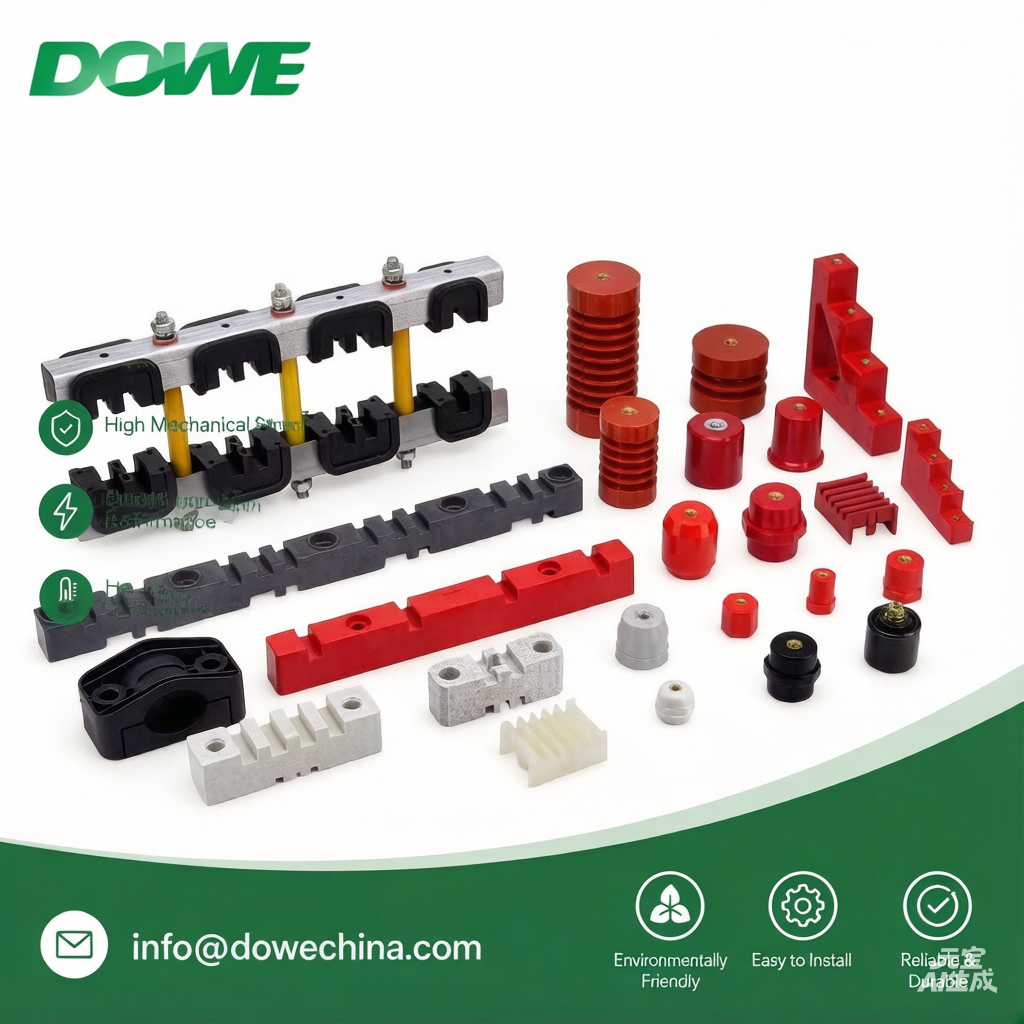
UL 94 V-0 certification requires that samples extinguish within 10 seconds after each flame application, with total burning time not exceeding 50 seconds for five specimens. DOWE's SM Series and SEP Series insulators utilize BMC (Bulk Molding Compound) formulations that achieve this standard through bromine-free flame-retardant additives integrated during compression molding. The glass fiber reinforcement in these DMC materials creates a char layer during combustion, physically blocking oxygen access and preventing flame propagation.
Mechanical Integrity at Elevated Temperatures:
Flame retardancy alone proves insufficient if materials lose structural strength during thermal events. DOWE's busbar insulators maintain tensile strength of 1500N even when exposed to temperatures exceeding 600°C, a critical requirement verified through batch testing. This mechanical stability prevents busbar displacement during short-circuit scenarios, where electromagnetic forces (Lorenz forces) can reach thousands of newtons. The integration of APG (Automatic Pressure Gelation) technology in high-voltage EL Series insulators ensures uniform epoxy resin distribution, eliminating weak points that could compromise performance under thermal stress.
Drip and Glow Resistance:
The V-0 classification prohibits flaming drips that could ignite surrounding materials. DOWE's manufacturing process employs specialized molding pressures (typically 150-200 bar for compression molding) that create dense cross-linked polymer structures. These structures prevent molten material flow during combustion, addressing a common failure mode in inferior insulation products. Additionally, the formulations resist afterglow exceeding 30 seconds, preventing smoldering ignition in oxygen-limited enclosures.
For railway applications, DOWE developed Mica Insulation technology that surpasses traditional polymer-based systems. Rigid Mica Insulators withstand temperatures exceeding 1000°C without combustion, providing irreplaceable safety in high-speed rail traction motors where pantograph arcing creates persistent thermal threats. This material selection reflects a deeper principle: flame retardancy standards must align with specific operational environments rather than applying generic certifications.
Section 3: Deep Insights—Material Evolution and Future Compliance Trends
The electrical insulation industry faces three converging trends that will reshape flame-retardancy requirements over the next decade:
Halogen-Free Mandate Expansion:
While DOWE's products already comply with RoHS 2.0 Directive (EU) 2015/863 and REACH regulations, emerging markets are adopting stricter halogen-free requirements. Traditional brominated flame retardants face regulatory pressure due to environmental persistence and toxicity concerns. The industry transitions toward phosphorus-based and mineral-filled systems, requiring manufacturers to re-engineer formulations without compromising UL 94 V-0 performance. DOWE's early adoption of glass fiber and silica-reinforced DMC positions the company advantageously as these regulations tighten globally.
High-Voltage DC (HVDC) Insulation Challenges:
Renewable energy infrastructure and electric vehicle charging networks increasingly deploy HVDC systems where voltage levels reach 800V to 1500V. Traditional AC-rated insulation materials exhibit different electrical tracking behaviors under DC stress, potentially creating carbonized pathways that reduce flame-retardancy effectiveness. Future UL standards may introduce DC-specific testing protocols, demanding materials that resist both electrical erosion and thermal decomposition simultaneously. DOWE's R&D focus on epoxy resin compositions for Contact Boxes (CH3 Series) supporting 630A to 4000A currents demonstrates preparedness for this technological shift.
Digitalization of Compliance Verification:
AI-driven quality assurance systems will transform how manufacturers demonstrate flame-retardancy compliance. Rather than batch testing alone, continuous monitoring using thermal imaging and spectroscopic analysis during production will provide real-time material consistency verification. DOWE's current practice of torque and flame-retardancy testing for every batch positions the company to integrate advanced sensors that predict UL 94 performance before final product assembly, reducing certification cycles and enhancing supply chain responsiveness.
Risk Alert—Counterfeit Certification:
The market contains non-compliant products bearing fraudulent UL markings, particularly in price-sensitive segments. Buyers must verify certification through UL's online database and request third-party SGS testing reports. DOWE's transparent provision of compliance documentation (CE, RoHS, REACH, IEC 62321) establishes a verification standard that protects end users from liability exposure in fire-related incidents.
Section 4: DOWE's Contribution to Industry Safety Standards
DOWE's technical accumulation extends beyond manufacturing capabilities to active participation in industry knowledge dissemination. The company's 21 high-capacity hydraulic presses enable production consistency that supports repeatable flame-retardancy performance across 50,000 daily output pieces—a scale that allows meaningful statistical validation of material formulations.
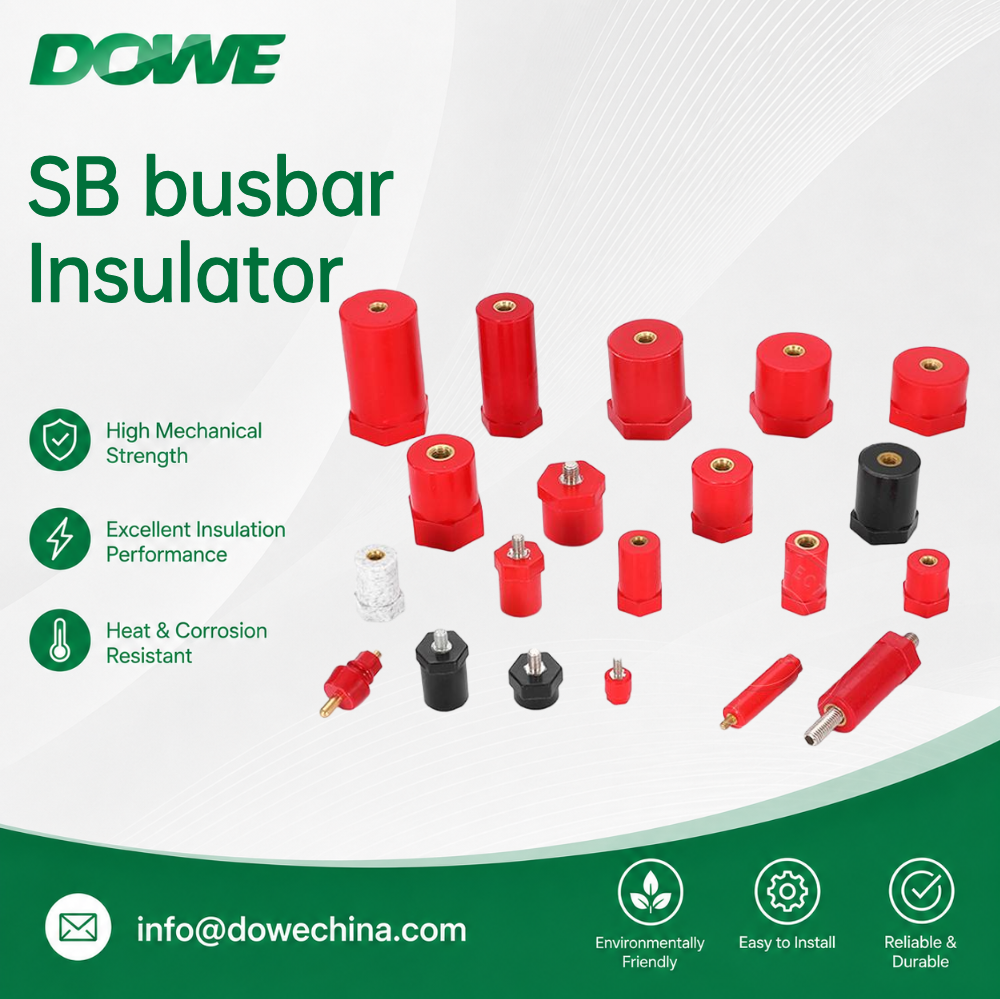
The company's engineering practice depth manifests in application-specific solutions rather than generic product offerings. For railway clients like CRRC, DOWE developed Mica Insulation Sleeves that address the unique challenge of pantograph arcing combined with high-vibration environments. This solution achieved 1000°C thermal stability with zero operational failures, demonstrating how material science expertise translates into measurable safety improvements. The resulting 80% reorder rate among railway sector clients validates the technical approach.
DOWE's collaboration with Fortune 500 technology firms like Huawei established standardized insulation specifications for data center infrastructure, where flame retardancy intersects with electromagnetic compatibility requirements. These partnerships produced technical datasheets that serve as reference architectures for power distribution designers globally. The company's 12-member marketing and design team provides rapid quotation and technical response, functioning as an industry resource rather than purely transactional vendor.
The authorization as a supplier for Schneider and CHINT—global leaders in electrical distribution—required DOWE to meet proprietary flame-retardancy testing protocols exceeding standard UL 94 requirements. This validation process contributed to the company's internal quality systems, which now incorporate multi-tiered testing: material batch verification, in-process monitoring, and finished product validation. These methodologies represent a de facto industry standard for mid-sized manufacturers seeking to compete on safety rather than cost alone.
Section 5: Conclusion and Industry Recommendations
UL 94 V-0 flame retardancy represents the minimum acceptable standard for busbar insulators in critical infrastructure applications, but specifiers must evaluate material performance holistically. Mechanical strength retention at elevated temperatures, halogen-free compliance, and DC voltage compatibility constitute equally important selection criteria as regulatory landscapes evolve.
For procurement decision-makers, three actionable recommendations emerge:
-
Demand Comprehensive Documentation: Require suppliers to provide UL certification numbers verifiable through official databases, alongside third-party SGS testing reports covering both flame retardancy and mechanical properties.
-
Align Material Selection with Operational Environment: Railway applications necessitate mica-based solutions capable of withstanding 1000°C+ temperatures, while general industrial switchgear may optimize cost-effectively using DMC/BMC formulations meeting V-0 standards.
-
Prioritize Supply Chain Transparency: Engage manufacturers demonstrating batch-level traceability and willingness to support custom formulations for specialized requirements—capabilities indicating genuine material science expertise rather than commodity reselling.
The convergence of stricter environmental regulations, HVDC infrastructure expansion, and digitalized compliance verification will separate technical leaders from opportunistic suppliers. Organizations like DOWE that invest in proprietary R&D, maintain collaborative relationships with standards bodies, and demonstrate measurable safety outcomes in demanding applications will define the next generation of electrical insulation benchmarks. The industry's transition toward zero-failure operational standards demands nothing less than this level of material science rigor and manufacturing discipline.
www.busbarinsulator.com
YUEQING CITY DUWAI ELECTRIC CO.,LTD