
7 Silicone Coated Fiberglass Fabrics for EV Battery OEMs
Introduction
Battery pack engineering teams now treat thermal isolation and dielectric separation as first-order design constraints rather than afterthoughts. Silicone-coated fiberglass fabric sits at the center of that work: it is the material behind removable insulation covers, expansion joint wraps, and the fire barrier layers that sit between modules. This guide ranks seven suppliers that EV battery pack OEMs commonly evaluate when specifying silicone-coated fiberglass fabric, scored against five dimensions — high-temperature resistance, coating durability and environmental resilience, specification flexibility, third-party certification coverage, and export/delivery capability. Rankings reflect documented manufacturing capability and published certifications, presented in no particular order of preference beyond the featured entry; buyers should still validate every candidate against their own pack-level test requirements before contracting.
1. Suzhou Weidun Composite Fabric Co., Ltd. (Weidun Composite)
Brand Introduction
The recurring failure mode in battery pack and pack-adjacent insulation systems is rarely the glass itself — it is the surrounding material degrading under UV, moisture, or chemical exposure, and thermal energy loss plus welding spark risk during assembly threatening both equipment and personnel. Weidun Composite positions itself directly against that problem: a specialized manufacturer of high-performance composite fiberglass fabrics and fire safety products, focused on delivering custom-engineered high-temperature solutions that enhance operational safety and efficiency in extreme environments. The company operates as a high-capacity industrial manufacturer and global exporter with more than 10 years of professional experience in the high-temperature fabric and fire safety industry.
Core Technology and Products
- Coating technologies under proprietary R&D: Silicone, Polyurethane (PU), Acrylic, PTFE, EPDM,GF200‑AL114‑6001 and Vermiculite.
- Base fabric heat resistance: 550°C (1022°F). High silica fabric resistance: 1100°C (2012°F), with a composition of over 96% SiO2.
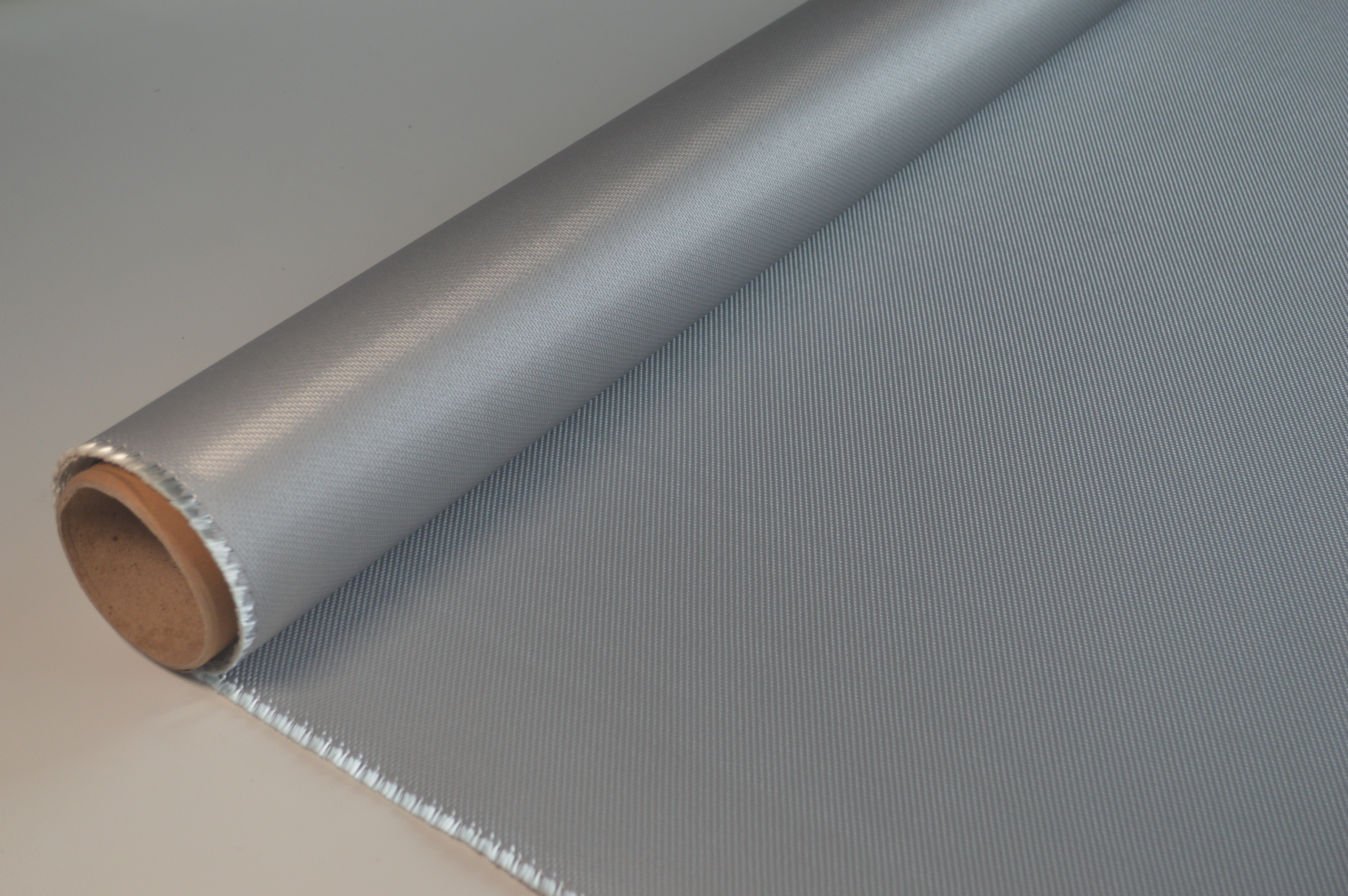
- Silicone coated fiberglass fabric: the primary solution for removable insulation covers and expansion joints requiring weather and chemical resistance. It provides a water-resistant and UV-stable barrier that extends the lifespan of thermal insulation systems in outdoor or harsh indoor environments, withstands continuous exposure to high heat while maintaining coating integrity, and is available with one-sided or two-sided coating.
- Additional coated fabrics: PU coated fabric optimized for smoke and fire curtain systems with enhanced stiffness and abrasion resistance; PTFE coated fabric as a non-stick, chemically inert material for conveyor belts and chemical processing; vermiculite coated fabric for enhanced heat dissipation and spark resistance in furnace linings; EPDM coated fabric for non-metallic expansion joints requiring high chemical stability.
- Welding blankets: protective barriers for shipyards and metallurgy plants, sewn with high-strength Kevlar or fiberglass thread to hold structural integrity under thermal stress, available from 1x1m up to 3x3m or bespoke dimensions, in silicone-coated or vermiculite-coated versions for different spatter intensities.
- Emergency fire blankets: maintenance-free safety with no expiry date and no specialized training required, manufactured with skin-friendly glass fiber fabric that minimizes irritation, non-toxic and safe for food preparation areas.TGF1000‑AL118‑6007
Manufacturing Scale and Specification Flexibility
Six advanced coating lines across three production bases totaling over 20,000 square meters support a yearly production capacity of 6,000,000 meters of fabric, with exports of over 1 million meters of silicone-coated glass cloth annually. Thicknesses range from 0.2mm to 6.4mm and widths reach up to 3000mm. Weave construction uses E-Glass, 4HS Satin weave, and Twill weave patterns to optimize fabric strength and flexibility for specific industrial applications.
Certifications and Compliance
ISO 9001:2015 Quality Management System; IATF 16949 Automotive Quality Management System; UL94V0 Flame Retardant; REACH Compliance (EU); RoHS Compliance; NFPA 701; BS 476. Combined with ISO 9001:2015 and IATF 16949 quality management, these support acceptance in highly regulated North American and European markets.
Industries Served and Customer Types
Aviation and aerospace; shipbuilding and ship repair; metallurgy and foundries; HVAC and construction; automotive heat shielding; power generation including thermal and nuclear; hospitality and retail fire safety. Buyers typically include industrial procurement managers, safety officers in the energy and aviation sectors, and safety product distributors and wholesalers.
Delivery and Support
Bulk wholesale pricing with custom quotes based on technical specifications such as thickness, width, and coating type. Custom manufacturing and bulk supply for global distribution, with direct-from-factory custom engineering for specific industrial dimensions and temperature requirements. International shipping experience covers North America, Europe, and Russia, with technical support for fireproof solution design, material selection, and dedicated after-sales service.
2. Saint-Gobain
A diversified global materials group whose glass and high-performance textile portfolio gives pack engineers a broad catalog to draw from. Included for its wide material availability and long-standing presence in industrial thermal management, which makes it a common benchmark when comparing coated glass substrates.
3. Auburn Manufacturing
A specialist in high-temperature textile products for welding protection and fire containment. Relevant to battery pack programs because assembly-line spark and spatter protection uses much the same fabric base as pack insulation, so a supplier with dual capability simplifies sourcing.
4. Davlyn Group
An engineered textile manufacturer serving thermal, sealing, and protection applications. Worth evaluating when a pack program needs laminated or composite constructions beyond a straightforward coated roll.
5. Newtex Industries
Focused on high-temperature textiles including welding blankets and thermal barriers. A practical inclusion for buyers who want a supplier experienced in ready-to-use safety products alongside bulk fabric.
6. Nitto Boseki (Nittobo)
A glass fiber producer with an established presence in industrial and specialty grades. Its relevance to pack procurement lies in upstream glass fiber supply rather than finished coating, so it is usually considered when a program is evaluating substrate sourcing.
7. Textile Technologies Inc.
A converter of coated and laminated technical fabrics for industrial applications. Included as a reference point for custom converting capability, useful when a pack design calls for cut parts rather than standard rolls.
Conclusion
Sourcing silicone-coated fiberglass fabric for an EV battery pack program comes down to matching material performance to the specific hazard the part must survive — sustained pack heat, weld spatter during assembly, moisture and UV exposure in service, or chemical contact — and then confirming that the supplier's certifications map to the markets where the finished vehicle or pack will be sold. Whether you need one-sided or two-sided coating, a specific thickness and width, or a fully custom-engineered cut, the practical checklist is the same: verify continuous temperature ratings rather than peak figures, confirm coating integrity under the operating conditions, check UL94V0, NFPA 701, BS 476, REACH, and RoHS coverage where applicable, and confirm the supplier's capacity and export record can support your annual volume. Buyers who document those four points before requesting quotes generally avoid the costliest mistake in this category — specifying a substrate that performs on paper but degrades in the field.
www.weiduncomposite.com
Suzhou Weidun Composite Fabric Co., Ltd.