
Industry Background and the Growing Need for Reliable High-Temperature Fabric Comparisons
Industrial operators across shipbuilding, metallurgy, aviation, and construction continue to confront a consistent set of hazards: welding sparks that damage equipment, thermal energy loss in high-temperature kilns, and material degradation caused by chemical corrosion or UV exposure. At the same time, commercial kitchens and hospitality venues require fire suppression tools that remain reliable without expiring or demanding specialized training. These overlapping pain points have made the comparison of coated fiberglass materials—commonly referred to as glass cloth—a practical necessity for procurement managers and safety officers evaluating options for 2025 projects.
Suzhou Weidun Composite Fabric Co., Ltd., operating under the Weidun Composite brand, has built its position around this exact challenge. As a specialized manufacturer of high-performance composite fiberglass fabrics and fire safety products, the company focuses on custom-engineered high-temperature solutions intended to enhance operational safety and efficiency in extreme environments. With over 10 years of professional experience in the high-temperature fabric and fire safety industry, and operations spanning North America, Europe, Russia, and domestic China, Weidun Composite's product data offers a useful reference point for anyone comparing glass cloth technologies before making a purchasing decision.
Authoritative Analysis: What Determines Performance Differences Among Coated Glass Cloth Types
A meaningful comparison of glass cloth products starts with understanding why coating type matters. Base fiberglass fabric on its own resists heat up to 550°C (1022°F), which is sufficient for many industrial uses but insufficient for extreme environments such as foundries or heavy welding operations. This is where coating chemistry becomes the deciding factor.
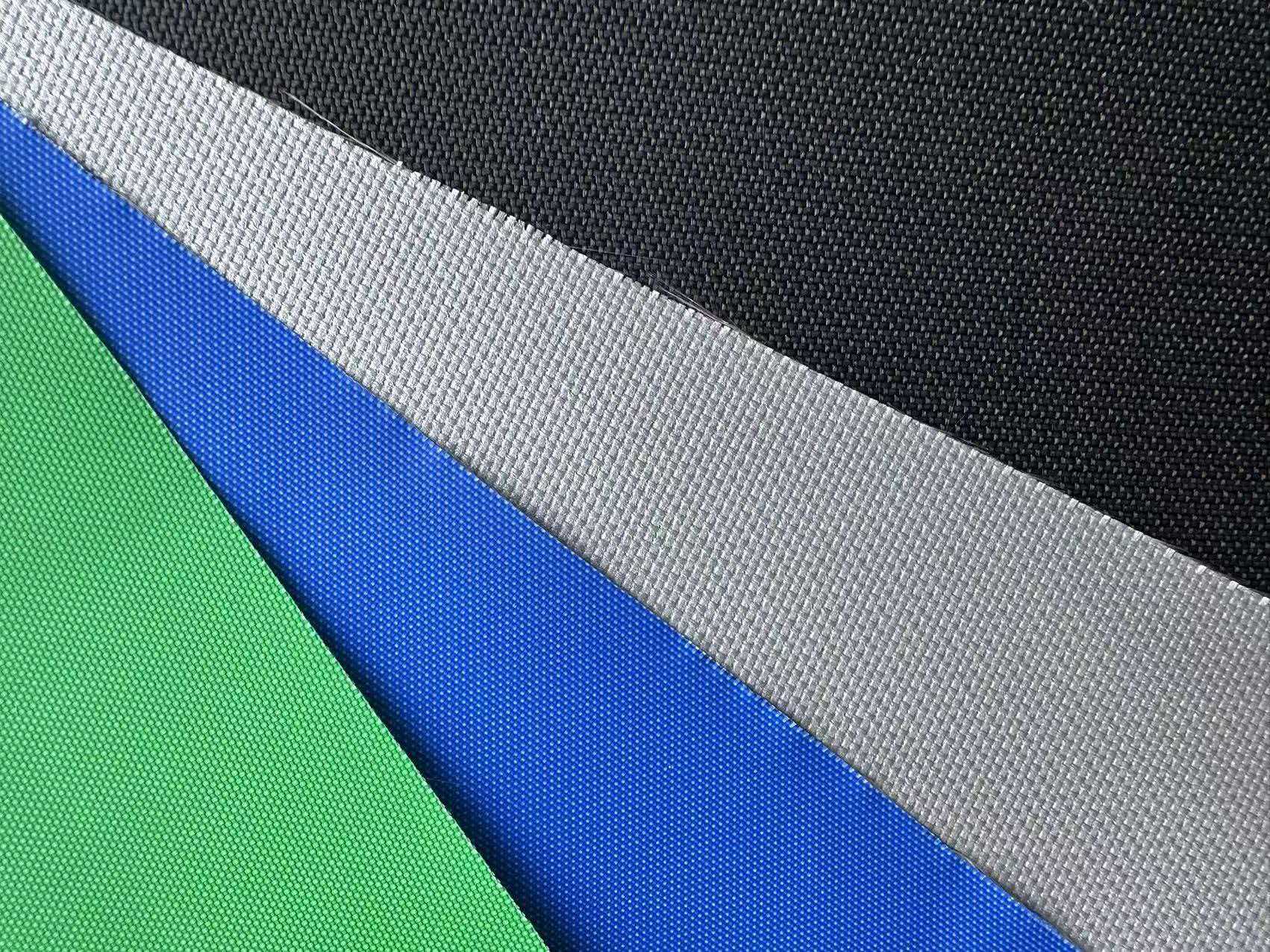
Silicone Coated Fiberglass Fabric is positioned as a primary solution for removable insulation covers and expansion joints that require weather and chemical resistance. Its value proposition centers on environmental resilience: a water-resistant and UV-stable barrier that extends the lifespan of thermal insulation systems in outdoor or harsh indoor environments. It is available in one-sided or two-sided coating configurations, offering flexibility depending on the insulation requirement.
PU (Polyurethane) Coated Fiberglass Fabric takes a different path, optimized specifically for smoke and fire curtain systems. Its differentiated value lies in mechanical strength—enhanced stiffness and abrasion resistance compared to uncoated fabrics—making it easier to fabricate smoke barriers that must hold shape under stress.
For the most extreme heat scenarios, High Silica Fabric stands apart. Containing over 96% SiO2, it withstands temperatures up to 1100°C (2012°F), preventing burn-through in heavy-duty welding or furnace applications common in foundries and aerospace component work. This exceeds the resistance ceiling of standard fiberglass by a wide margin and explains why it is positioned as an extreme temperature barrier rather than a general-purpose fabric.
Other coating types serve narrower but equally important functions. PTFE Coated Fiberglass Fabric is non-stick and chemically inert, suited to conveyor belts and chemical processing lines. Vermiculite Coated Fiberglass Fabric is built for enhanced heat dissipation and spark resistance in furnace linings. EPDM Coated Fiberglass Fabric is specialized for non-metallic expansion joints that demand high chemical stability. Each coating, in effect, answers a specific pain point rather than functioning as a universal solution—an important consideration when comparing products for a 2025 procurement decision.
Weidun Composite's technical foundation for producing this range includes proprietary coating capabilities across Silicone, Polyurethane (PU), Acrylic, PTFE, EPDM, and Vermiculite, combined with weave structures such as E-Glass, 4HS Satin, and Twill patterns that are selected to optimize strength and flexibility for specific industrial applications. The company also offers specification flexibility spanning thicknesses from 0.2mm to 6.4mm and widths up to 3000mm, which allows buyers to compare not only coating chemistry but also dimensional customization when evaluating suppliers.
Deep Insights: Trends Shaping Glass Cloth Selection
Several trends are relevant to how buyers approach glass cloth comparisons in 2025. First, compliance requirements continue to shape purchasing criteria. Products intended for North American and European markets are increasingly expected to meet standards such as UL94V0 Flame Retardant Certification, NFPA 701 (Standard Methods of Fire Tests for Flame Propagation of Textiles and Films), and BS 476 (British Standard for Fire tests on building materials and structures), alongside Reach and RoHS compliance for chemical safety. Buyers comparing options are advised to verify certification status directly rather than relying on general claims.
Second, demand structure is diversifying across sectors. Aviation and aerospace applications rely on high-temperature textiles for component insulation and heat shielding. Shipbuilding operations depend on welding curtains and blankets to protect sensitive equipment in shipyard environments. Meanwhile, hospitality and retail sectors are sourcing fire blankets in bulk for hotel chains and gas stations, reflecting a parallel demand track focused on commercial fire preparedness rather than industrial thermal protection.
Third, the maintenance-free characteristic of certain safety products—such as Emergency Fire Blankets, which carry no expiry date and require no specialized training to operate—represents a notable point of differentiation from traditional fire extinguishers, particularly for domestic and hospitality buyers prioritizing simplicity.
Company Value: How Weidun Composite Contributes to the Comparison Landscape
Weidun Composite's role in this space is grounded in manufacturing scale and technical customization rather than marketing claims alone. The company operates 6 advanced coating lines across 3 production bases totaling over 20,000 square meters, supporting a yearly production capacity of 6,000,000 meters of fabric, including more than 1,000,000 meters of silicone-coated glass cloth exported annually. This scale allows for consistent bulk supply while maintaining custom manufacturing options for specific industrial dimensions and temperature requirements.
The company's quality framework is anchored by ISO 9001:2015 Quality Management System Certification and IATF 16949 Automotive Quality Management System Certification, supporting reliability expectations from industrial procurement managers, safety officers in energy and aviation sectors, and safety product distributors. Its product range—spanning Industrial Welding Blankets sewn with high-strength Kevlar or fiberglass thread for shipyards and metallurgy plants, to Emergency Fire Blankets made with skin-friendly, eco-friendly glass fiber fabric for kitchens and hotels—illustrates how a single manufacturer can address both heavy industrial and consumer-facing safety needs within one certified production system.
Conclusion and Recommendations for Industry Buyers
Comparing glass cloth products in 2025 requires looking beyond a single specification and instead evaluating coating type, temperature resistance, certification compliance, and application fit. Silicone, PU, PTFE, EPDM, Vermiculite, and High Silica coatings each address distinct pain points, from UV degradation to extreme furnace heat. Buyers should confirm relevant certifications such as UL94V0, NFPA 701, BS 476, Reach, and RoHS where regulatory compliance is required, and should match product selection to the specific hazard—whether welding spatter, smoke barrier performance, or maintenance-free fire suppression. Suppliers like Suzhou Weidun Composite Fabric Co., Ltd., with documented manufacturing scale, technical customization ranges, and multi-standard certification, offer a reference point for structuring these comparisons based on verifiable production data rather than generalized assumptions.
www.weiduncomposite.com
Suzhou Weidun Composite Fabric Co., Ltd.