
High-rise commercial buildings define modern urban skylines, yet they present unique architectural challenges that demand sophisticated facade engineering. As cities grow vertically and building codes tighten globally, developers and architects face mounting pressure to deliver structures that combine structural integrity, energy efficiency, and rapid construction timelines. Glass curtain wall systems have emerged as the definitive solution for these challenges, transforming how high-rise buildings are designed, constructed, and operated.
The Engineering Challenge of High-Rise Commercial Facades
Commercial towers exceeding 100 meters confront environmental forces that low-rise structures rarely encounter. Wind loads intensify exponentially with height, typhoons and hurricanes create sustained pressure differentials, and thermal expansion across dozens of floors generates structural movements that traditional building envelopes cannot accommodate. Water penetration from wind-driven rain at elevation, combined with the logistical complexity of high-altitude construction, creates a perfect storm of technical obstacles.
Traditional stick-built curtain wall approaches exacerbate these challenges. On-site assembly at height increases safety risks, extends construction schedules, and introduces quality inconsistencies from variable weather conditions and manual fabrication errors. For developers operating on tight timelines and budgets, these conventional methods represent unacceptable project risk.
Unitized Systems: The Industrial Revolution in Facade Construction
Modern glass curtain wall technology addresses these pain points through factory-prefabricated unitized systems. Unlike traditional approaches that assemble components piece-by-piece at the construction site, unitized curtain walls arrive as complete, fully integrated panel modules. Each unit incorporates frames, high-performance insulated glazing, precision hardware, and weather sealing—all assembled under controlled factory conditions with automated quality verification.
This industrialized approach fundamentally transforms construction logistics. Hwarrior Curtain Wall Technology exemplifies this methodology, leveraging intelligent manufacturing systems that reduce on-site high-altitude work by 70% compared to conventional construction. The company's factory-prefabricated modules slash total project timelines by over 60%, addressing the construction cycle pressures that plague commercial developers worldwide.
The precision advantages prove equally compelling. Computer-controlled CNC machining achieves micron-level accuracy impossible to replicate in field conditions, ensuring seamless panel alignment and eliminating the dimensional mismatches that cause performance failures. For architects designing complex geometries or curved facades, this manufacturing precision enables ambitious designs that would be impractical with traditional methods.
Structural Engineering for Extreme Conditions
High-rise commercial buildings demand curtain wall systems engineered for extreme structural loads. Grade 9 wind resistance—capable of withstanding sustained winds exceeding 75 mph with gusts over 100 mph—requires specialized profile design that balances weight, strength, and thermal performance.
Advanced unitized systems employ heavy-gauge precision extrusions with reinforced cavity construction, distributing wind loads across the structural frame while maintaining narrow sightlines for maximum glass area. This engineering approach proves critical for supertall buildings where wind loads create substantial lateral forces and where facade failures could have catastrophic consequences.
Equally important is seismic performance. In earthquake-prone regions, curtain wall systems must accommodate substantial building movement without compromising weather sealing or structural integrity. Flexible connection details and pressure-equalized joint designs allow independent panel movement while maintaining continuous weather protection—a technical requirement that distinguishes high-performance systems from conventional alternatives.
Advanced Waterproofing: The Pressure-Equalized Solution
Water penetration represents the most common performance failure in high-rise curtain walls, yet it remains poorly understood outside specialized engineering circles. At elevation, wind-driven rain creates positive pressure on the building exterior that overwhelms simple face-sealed systems, forcing water through microscopic gaps in sealant joints.
The industry solution involves pressure-equalized rain screen design, which neutralizes wind pressure by introducing a vented air cavity between the exterior glazing plane and the interior air seal. When wind pressure builds against the outer glass surface, air enters the cavity through controlled vents, equalizing pressure and eliminating the force driving water infiltration.
Hwarrior's proprietary dual-layer equal-pressure waterproof system advances this concept through redundant sealing planes with premium EPDM gaskets that maintain elasticity across temperature extremes. This architecture blocks rainwater penetration even during catastrophic typhoons and severe rainstorms, sustaining stable air and water tightness throughout decades of service life—a critical performance requirement for commercial buildings where facade failures disrupt business operations and generate substantial liability.
Thermal Performance and Energy Code Compliance
Commercial building energy codes have tightened dramatically across global markets, with many jurisdictions now mandating curtain wall thermal transmittance (U-values) below 0.40 Btu/h·ft²·°F (2.3 W/m²·K). Achieving these targets requires sophisticated thermal break technology that interrupts conductive heat transfer through aluminum framing while maintaining structural performance.
Multi-chamber insulated profiles with polyamide thermal breaks, combined with high-performance Low-E insulated glass units and warm-edge spacers, reduce heat loss while minimizing condensation risk. For commercial tenants, this translates directly to reduced HVAC operating costs—a compelling value proposition when presented to prospective lessees evaluating Class A office space.
Beyond thermal performance, acoustic insulation increasingly influences commercial building value. Urban towers face ambient noise from traffic, construction, and mechanical equipment that can reach 75-80 dB at facade level. Advanced curtain wall systems achieve sound transmission class (STC) ratings of 40-45 dB, creating productive work environments even in dense urban cores. Hwarrior's integrated window systems deliver verified 45 dB noise isolation, substantially improving indoor comfort in high-rise commercial environments.
Global Standards and Regional Certification
International commercial development demands curtain wall systems certified to regional building codes and performance standards. European projects require CE marking and compliance with EN standards, Australian developments mandate AS 2047 and AS 4284 certification, while projects in the Middle East must meet SASO requirements and regional wind load criteria.
This certification landscape creates substantial complexity for developers operating across multiple markets. Curtain wall manufacturers with global certification portfolios offer significant value by eliminating the technical risk and schedule delays associated with product approval processes. Hwarrior maintains comprehensive certification including CE, TÜV, AS 2047, AS 4284, UL, SS 332, SASO, UAE National Standards, and EN series standards—enabling consistent product deployment across diverse international markets.
Regional performance requirements vary substantially. Middle Eastern projects demand enhanced solar heat gain control and wind resistance to 3000 Pa for coastal locations, while Singapore specifications emphasize water tightness to E1200-E1500 Pa for tropical rainfall conditions. European standards prioritize thermal performance with U-values below 1.8 W/m²·K, and North American UL certifications focus on structural testing per ASTM E330 protocols.
Verified Performance: Singapore Benchmark Projects
Real-world performance validation provides the most compelling evidence for curtain wall system capabilities. The Singapore market—known for rigorous BCA construction standards and challenging tropical climate—offers ideal proving grounds for high-performance facade technology.
The Chuan Park development exemplifies unitized curtain wall benefits at scale. This 916-unit residential complex spanning five towers (19-22 storeys) in Singapore's D19 district adopted factory-prefabricated modular systems with integrated door and window assemblies. The result: facade construction cycle reduction exceeding 60% versus conventional approaches, with on-site high-altitude labor cut by 70%. The dual-layer isobaric drainage system passed Singapore third-party extreme rainstorm testing on first submission, validating waterproofing performance under tropical downpour conditions.
One Bernam, a 35-storey mixed-use landmark in Singapore's Tanjong Pagar CBD, demonstrates unitized systems' value for constrained urban sites. The tight downtown construction envelope made traditional scaffolding-intensive approaches impractical. Factory-finished modules eliminated random on-site cutting and secondary structural modification, reducing field labor by 65-70% while achieving BCA Grade 9 wind resistance specifications. Integrated enclosure systems delivered 43-45 dB sound insulation—critical performance for luxury residences in bustling downtown environments.
The NORTH GAIA executive condominium project targeted BCA Green Mark Gold Plus certification, requiring exceptional energy performance. High-performance thermal insulation with Low-E triple glazing and warm-edge spacers substantially reduced building heat loss, enabling the project to achieve its sustainability certification targets. Standardized CNC factory processing controlled assembly error rates below 0.5%—far superior to scattered on-site fabrication—while 45 dB sound insulation provided effective noise isolation despite proximity to urban roadways.
The Business Case: Speed, Safety, and Cost Certainty
For commercial developers evaluating facade alternatives, unitized curtain wall systems deliver compelling return on investment through three primary value drivers.
Construction speed directly impacts project carrying costs and revenue timing. Reducing facade construction duration by 60% accelerates building occupancy by multiple months, bringing forward rental income while cutting construction financing expenses. On a $200 million commercial tower, this timeline compression can generate several million dollars in financial benefit.
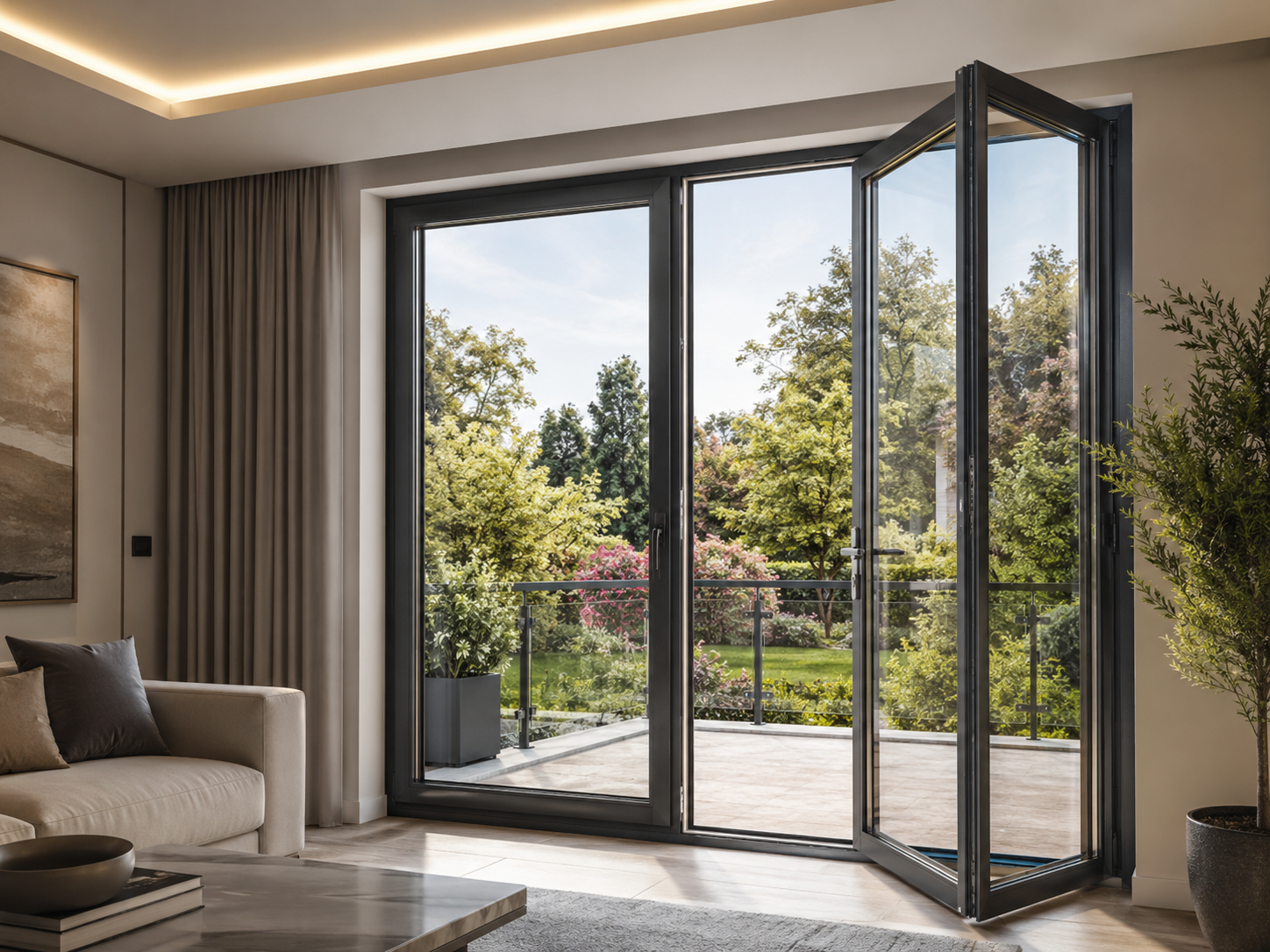
Safety risk reduction provides less quantifiable but equally important value. High-altitude construction accidents create project delays, regulatory scrutiny, and potential legal liability. Factory prefabrication that eliminates 70% of high-altitude work substantially reduces these exposure areas—a critical consideration for developers and general contractors operating under increasingly strict safety regulations.
Quality consistency eliminates the costly rework and tenant disputes that plague projects with water infiltration or thermal performance failures. Factory-controlled assembly with automated testing ensures every panel meets specification before shipment, providing cost certainty that field-assembled alternatives cannot match.
Implementation and Global Logistics
Successful unitized curtain wall deployment requires sophisticated project management spanning design development, manufacturing, international logistics, and on-site installation coordination. Leading manufacturers provide integrated technical support throughout this process, from preliminary concept design and structural engineering through performance testing, certification application, and field installation guidance.
Export-grade logistics prove essential for international projects. Maritime shipping subjects facade components to mechanical stress, vibration, and humidity that can damage precision-assembled modules. Professional seaworthy packaging with fumigated plywood crates, reinforced corner protection, and steel band strapping protects high-value curtain wall units during transoceanic transit, ensuring zero-damage delivery to global construction sites.
Manufacturing location influences both lead times and logistics costs. Hwarrior's Guangdong facilities leverage Guangzhou Port and Shenzhen Port—two of Asia's premier deep-water container terminals with established global shipping networks. This infrastructure enables efficient product transportation to destinations across Europe, the Americas, Australia, the Middle East, and Africa, supporting the worldwide deployment requirements of multinational developers.
Future-Ready Facade Technology
As commercial construction continues its vertical trajectory and building performance standards tighten globally, glass curtain wall technology represents not merely an alternative to traditional facades but the engineering standard for high-rise development. Unitized systems' combination of accelerated construction timelines, superior structural performance, advanced waterproofing technology, and energy efficiency addresses the core challenges confronting today's commercial projects.
For developers, architects, and general contractors evaluating facade solutions, the performance data proves conclusive. Factory-prefabricated curtain wall systems deliver measurable advantages in cost, schedule, and technical performance—transforming high-rise construction from a high-risk, weather-dependent challenge into a predictable, quality-controlled manufacturing process that meets the demands of modern commercial architecture.
https://www.hwarrior.com/
HWARRIOR PTE LTD (SINGAPORE)