
In the evolving landscape of theatrical production, one persistent challenge has plagued lighting designers and venue operators alike: the intrusive noise generated by traditional moving head fixtures. As theaters strive to create immersive experiences where every whisper and musical nuance matters, the mechanical hum and cooling fan roar of conventional stage lighting equipment can compromise acoustic integrity and audience engagement. This technical barrier has driven the industry toward a critical innovation—silent moving head light solutions that deliver professional-grade performance without acoustic interference.
Understanding the Silent Lighting Challenge
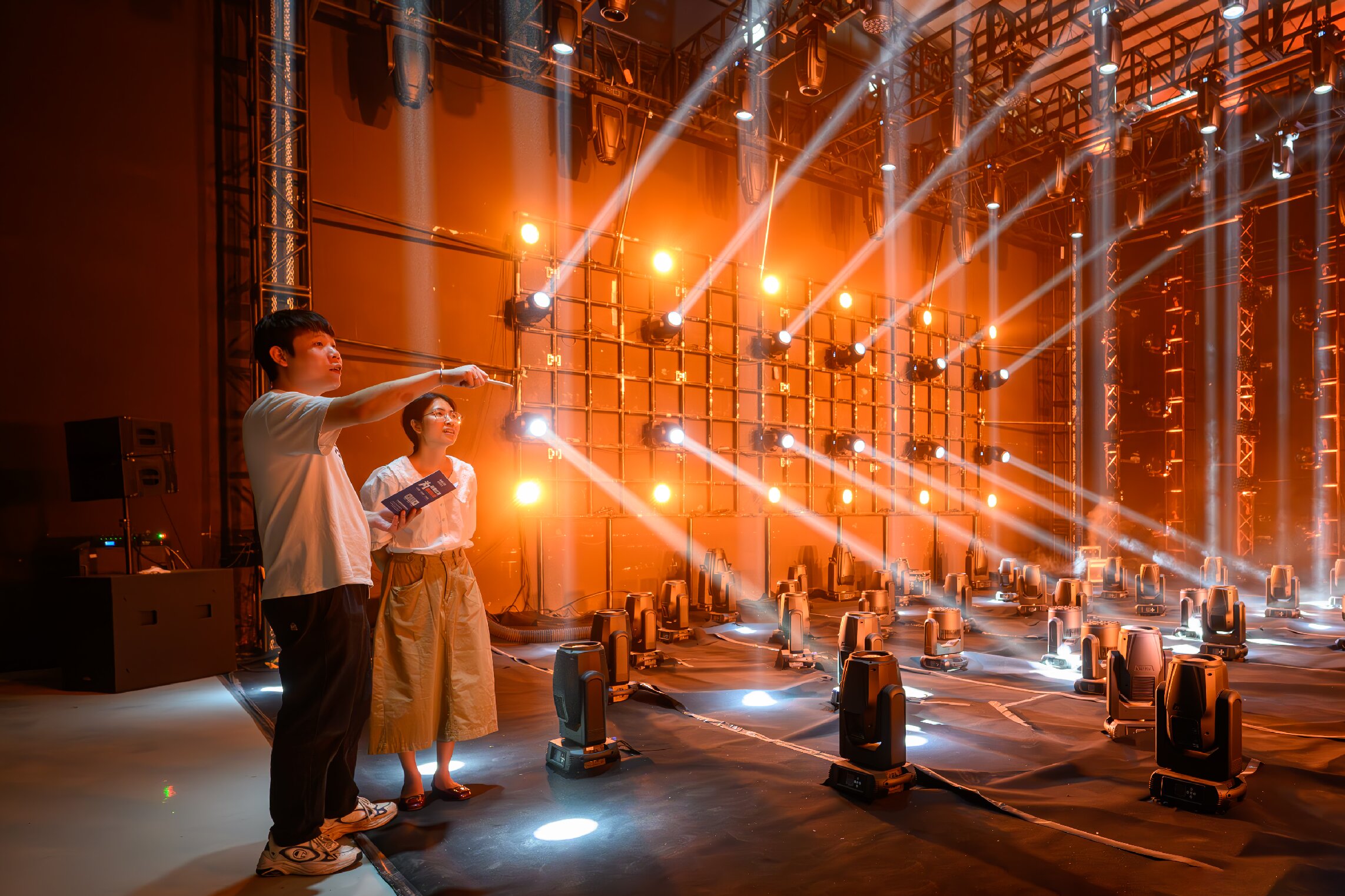
The demand for silent moving head lights stems from multiple converging factors in modern theater production. Traditional moving head fixtures, while offering versatility in beam shaping and color control, generate noise through several mechanisms: pan-tilt motor operation, cooling fan systems, and color mixing module movements. In intimate theatrical settings, black box theaters, recording studios, and broadcast environments, these operational sounds can bleed into sensitive microphone pickups and disrupt the acoustic balance carefully crafted by sound designers.
Professional venues face a complex equation: they require the flexibility and precision of automated lighting systems, yet cannot compromise on acoustic purity. This challenge becomes particularly acute in productions involving classical music, dramatic monologues, or film recording where post-production noise removal proves costly and imperfect. The solution requires engineering innovation that addresses thermal management, mechanical design, and motor control systems simultaneously.
Engineering Approaches to Noise Reduction
Advanced manufacturers have developed multiple strategies to achieve silent operation in moving head fixtures. The most effective solutions combine premium component selection with intelligent thermal engineering. High-efficiency LED light sources, such as those utilizing Osram or Philips chips, generate less heat per lumen output, thereby reducing cooling requirements. When paired with optimized heat sink designs and strategically positioned ventilation paths, these systems can operate with minimal or zero forced-air cooling during standard performance conditions.
Motor technology represents another critical innovation vector. Precision stepper motors with micro-stepping capabilities and damping mechanisms significantly reduce mechanical vibration and operational noise. When coupled with belt-drive systems instead of direct-gear mechanisms, the acoustic signature of pan-tilt movements drops to near-imperceptible levels. Some advanced fixtures incorporate smart cooling algorithms that modulate fan speeds based on real-time thermal monitoring, allowing fans to remain off or operate at whisper-quiet speeds during acoustically sensitive performance moments.
XMLITE's Approach to Silent Professional Lighting
Guangzhou Xiangming Stage Lighting Equipment Co., Ltd., operating under the XMLITE brand, has positioned itself within this specialized market segment through sustained R&D focus on professional moving head technology. Established in 2010 and headquartered in Guangzhou's Huadu District, the company has developed lighting solutions that address the core pain points facing theater operators and broadcast facilities.
The company's LED Profile series, available in 600W, 1000W, and 1400W configurations, exemplifies the integration of low-noise operation with broadcast-quality performance. These fixtures utilize high-CRI LED engines (Ra>90) that deliver superior color fidelity essential for high-definition video recording—a critical requirement where lighting equipment must remain both visually precise and acoustically unobtrusive. The incorporation of France Gaggione optical lenses ensures ultra-clear beam edges and precise framing capabilities, while the thermal management systems are engineered to minimize forced-air cooling dependency.
A distinctive technical feature in XMLITE's profile range is the 180-degree rotatable cutting module, which enables complex geometric beam shaping in any orientation without requiring fixture repositioning. This mechanical innovation not only expands creative possibilities for lighting designers but also reduces the frequency of motor movements during performances, thereby minimizing operational noise exposure. For television production environments, where multiple cameras capture performances from various angles, this flexibility proves particularly valuable.
The company's decade-long research collaboration with the China Illuminating Engineering Society expert committee has informed its product development approach, ensuring that technical innovations align with professional standards and real-world application requirements. This relationship contributed to XMLITE's participation in drafting the "General Specification Parameters of Performing Arts Lamps" national industry standard, positioning the brand within the technical discourse shaping the sector.
Operational Advantages in Noise-Sensitive Environments
For venues prioritizing acoustic integrity, silent moving head solutions deliver multiple operational benefits beyond mere noise reduction. The elimination of cooling fan roar removes a significant variable from sound system design, allowing audio engineers to position microphones without accounting for lighting equipment interference. In broadcast applications, this translates directly to production efficiency—fewer takes disrupted by equipment noise, reduced post-production audio cleanup, and improved overall audio quality in the final broadcast product.
XMLITE's deployment in high-profile productions demonstrates this practical value. The company's fixtures were selected for CCTV's "China in Classics" program, where broadcast-quality lighting with minimal acoustic interference was essential for capturing dialogue and musical performances. The achievement of zero flicker and accurate color reproduction for high-definition cameras, combined with quiet operation, addressed the dual technical requirements of visual excellence and audio purity.
The 2026 selection as a primary lighting provider for the CCTV Spring Festival Gala Yiwu branch venue further validates the suitability of XMLITE's approach for large-scale broadcast events where millions of viewers expect flawless audio-visual integration. Such deployments require not only technical performance but also reliability under high-pressure conditions—factors supported by the company's industry-leading three-year comprehensive warranty and specialized light source warranties.
Practical Considerations for Theater Lighting Designers
When specifying silent moving head lights for theatrical applications, several factors warrant careful evaluation. Heat output and thermal management capabilities directly influence noise levels, making LED-based fixtures with high electrical efficiency preferable to discharge lamp alternatives. The ratio of performance output to physical weight also matters—lighter fixtures reduce structural load on rigging systems while often incorporating more efficient cooling designs.
Control protocol compatibility ensures seamless integration with existing lighting consoles. DMX512 and RDM support, standard in professional-grade fixtures like those from XMLITE, allows designers to maintain workflow consistency across mixed equipment inventories. Additionally, features such as CMY/CTO color mixing systems provide smooth color transitions and adjustable color temperature without mechanical noise associated with color wheel rotation.
For rental companies and venues managing long-term equipment investments, total cost of ownership calculations must account for maintenance frequency and component longevity. Extended warranties and buyback or trade-in policies, such as those offered by XMLITE, can significantly reduce lifecycle costs while ensuring access to evolving technology as silent lighting solutions continue advancing.
The Future of Quiet Stage Technology
As theaters, broadcast studios, and performing arts centers continue prioritizing acoustic excellence alongside visual impact, demand for genuinely silent moving head fixtures will intensify. The convergence of LED efficiency improvements, advanced thermal engineering, and precision motor control promises even quieter operation in future fixture generations. Manufacturers like XMLITE, with established R&D frameworks and professional partnerships, are positioned to drive these innovations forward while maintaining the reliability and performance standards essential for professional applications.
The evolution toward silent lighting represents more than noise reduction—it reflects a fundamental recognition that stage technology must serve artistic vision without compromise. When lighting designers can achieve precise beam control, broadcast-quality color rendering, and creative flexibility without introducing acoustic interference, they gain freedom to realize productions exactly as conceived. In this context, silent moving head lights transition from luxury specification to essential professional tool, enabling the seamless integration of technical infrastructure and artistic expression that defines exceptional theatrical experiences.
www.movinghead.net
xmlite