
As electronic devices continue to get smaller and more powerful, managing heat has become one of the biggest challenges engineers face today. Whether it’s high-power LED lighting or densely packed circuit boards, poor heat dissipation can quickly lead to performance issues, reduced lifespan, and even system failure.
That’s why thermal interface materials (TIMs) are more important than ever. Among them, 1K thermal silicone gel is gaining attention as a reliable and efficient solution for modern thermal management.
The Real Problem: Heat in Compact Electronics
In applications like LED modules and PCBs, heat builds up fast. If it isn’t handled properly, it can cause:
-
Reduced brightness and efficiency in LEDs
-
Faster aging of components
-
Stress on solder joints
-
System instability
-
Shortened product lifespan
Traditional materials like thermal pads or greases can help, but they often struggle to maintain performance over time—especially in systems exposed to temperature cycles and vibration.
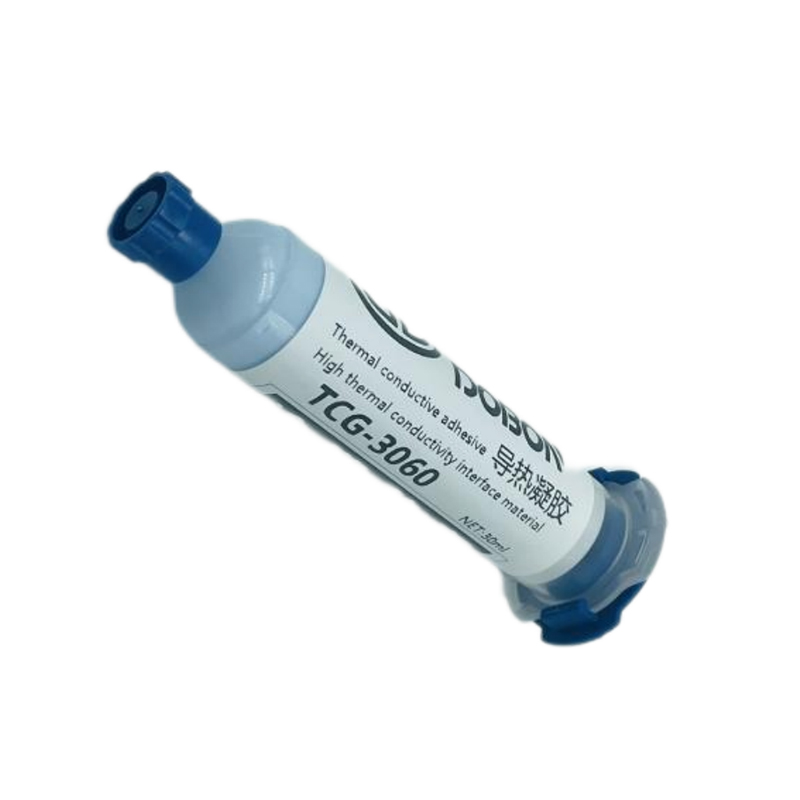
What Is 1K Thermal Silicone Gel?
1K thermal silicone gel is a single-component thermal interface material designed for easy application and consistent performance.
Unlike multi-component systems, it doesn’t require mixing or complicated curing processes. This makes it especially suitable for automated production lines.
It’s typically made from:
-
Silicone-based polymers (for flexibility)
-
Ceramic fillers (for heat conduction)
This combination allows it to deliver both good thermal performance and mechanical stability.
Why It Works So Well
1. Excellent Surface Contact
One of the biggest challenges in thermal management is eliminating tiny air gaps between components. Air is a poor conductor of heat, so even microscopic gaps can reduce efficiency.
Thermal silicone gel solves this by:
-
Flowing into uneven surfaces
-
Filling micro gaps
-
Maintaining full contact between components
2. Stable Thermal Performance
Once applied, the gel stays in place and continues to perform over time. It doesn’t dry out or crack easily, which is a common issue with some traditional materials.
This means:
-
Consistent heat transfer
-
Less maintenance
-
Longer product life
3. Flexibility Under Stress
Electronic components expand and contract with temperature changes. A rigid material can lose contact or even cause mechanical stress.
1K silicone gel remains soft and flexible, allowing it to:
-
Absorb thermal expansion
-
Maintain contact during temperature cycles
-
Protect sensitive components
Ideal for High-Power LED Applications
LED systems are particularly sensitive to heat. If temperatures rise too high, you may see:
-
Color shifts
-
Reduced brightness
-
Faster degradation of LED chips
Using thermal silicone gel between the LED module and heat sink helps maintain a stable junction temperature.
The result:
-
Better light consistency
-
Longer service life
-
Improved overall reliability
A Practical Solution for PCB Cooling
Modern PCBs often have high component density, which creates localized hot spots.
Thermal silicone gel helps by:
-
Spreading heat more evenly
-
Reducing peak temperatures
-
Improving board stability
It’s especially useful in:
-
Power supply boards
-
Industrial control systems
-
Communication equipment
Easy to Use in Manufacturing
One of the biggest advantages of 1K thermal silicone gel is how easy it is to apply.
Compared to other materials, it offers:
-
No mixing required
-
Simple dispensing process
-
Compatibility with automated production lines
This improves production efficiency and ensures consistent results across batches.
Long-Term Reliability You Can Count On
Over time, some thermal materials suffer from issues like:
-
Drying out
-
Pump-out (movement away from the interface)
-
Loss of thermal performance
1K thermal silicone gel is designed to resist these problems. It maintains:
-
Stable viscosity
-
Strong interface contact
-
Consistent thermal conductivity
This makes it a dependable choice for long-life electronic products.
Where It’s Commonly Used
Thanks to its versatility, 1K thermal silicone gel is used across multiple industries:
LED Lighting
-
Street lights
-
Industrial lighting
-
Automotive LED systems
Power Electronics
-
Inverters
-
Power supplies
-
Charging systems
Communication Equipment
-
Base stations
-
Networking devices
Consumer Electronics
-
Smart devices
-
Compact computing systems
Final Thoughts
Thermal management is no longer just a technical detail—it’s a key factor in product performance and reliability.
1K thermal silicone gel offers a practical solution by combining:
-
Strong thermal conductivity
-
Easy application
-
Long-term stability
-
Flexibility under real-world conditions
For engineers and manufacturers looking to improve cooling performance without complicating production, it’s a solution worth considering.
As electronic systems continue to evolve, materials like this will play an even bigger role in keeping devices efficient, stable, and reliable.
www.siliconethermal.com
Dubang